
How to Build a Multi-Language YouTube Channel Strategy on Autopilot
Scale your reach globally, localize thumbnails, extract viral shorts, and distribute content across localized regional accounts without manually uploading.
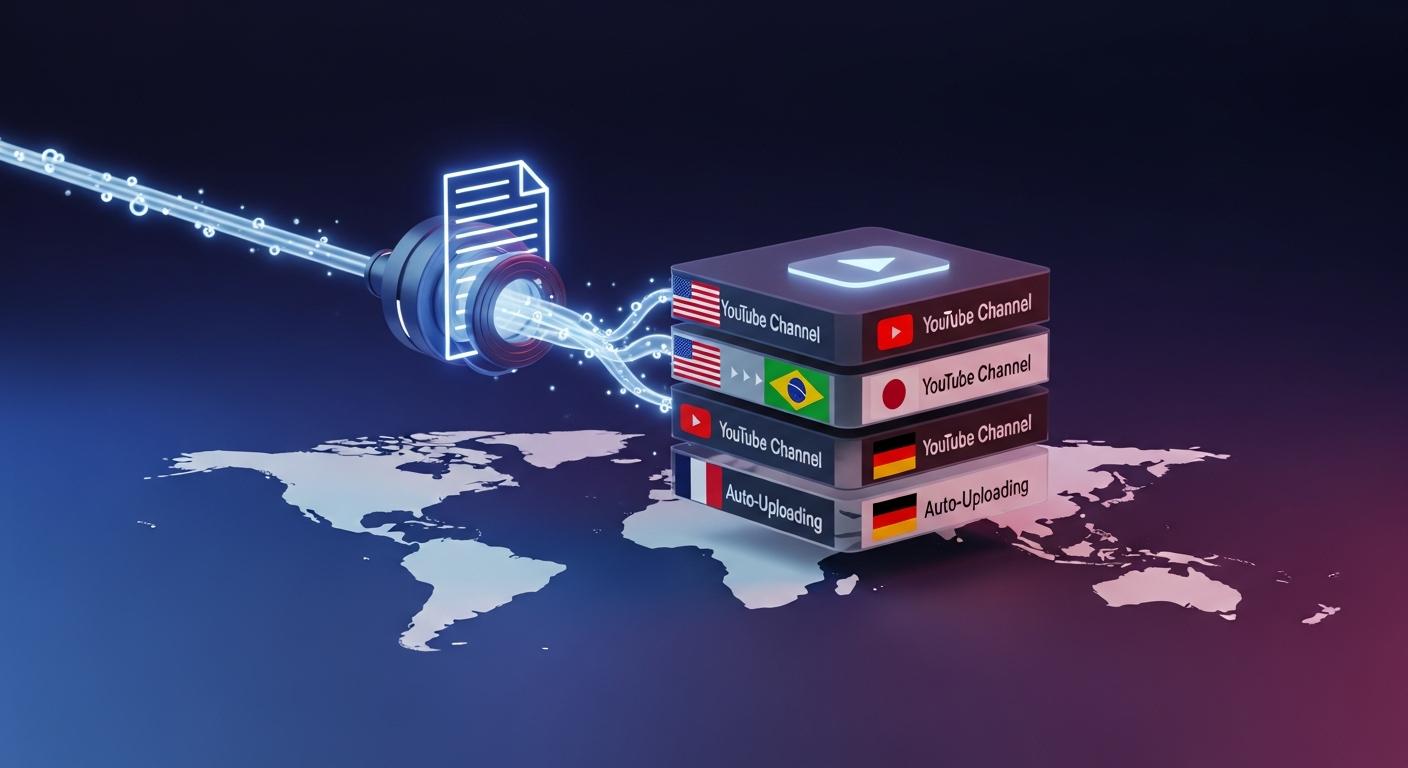
TL;DR: Scaling a YouTube presence across multiple regional channels used to require a massive team of editors, designers, and native voice actors. By switching to an automated multi-channel localized workflow like Braiv Connect, you can package raw long-form footage, translate both audio and visual metadata into over 50 languages, and auto-publish localized content on autopilot.
How do you create a successful multi-language YouTube channel strategy?
To build a highly effective multi-language YouTube channel strategy, you must replace fragmented point-solutions with an automated, end-to-end video packaging and publishing pipeline. By using a platform like Braiv Connect, you upload a single master video to handle the entire lifecycle: automatically extracting viral Shorts, designing zero-prompt localized thumbnails, dubbing the audio in 50+ languages, and auto-publishing directly to dedicated regional YouTube channels. This automated approach ensures consistent global growth without the operational grind.
The Shift from Manual Translation to Automated Video Packaging
For years, the creator economy treated international growth as an luxury reserved only for the top 1% of channels like MrBeast. The sheer resources required to manage multiple channels, hire localization agencies, coordinate voice-over talents, and coordinate with international thumbnail designers was a massive financial and operational burden.
Under the traditional workflow, creators had to jump between five different standalone point solutions:
- Translating a script via generic text-based engines.
- Contracting a localized voice-over artist or using primitive text-to-speech tools.
- Manually cropping and editing long-form videos into vertical Shorts.
- Redesigning thumbnails for each regional audience using templates.
- Manually logging into multiple Google accounts to upload and configure metadata.
This manual friction is the main reason why 95% of creators never scale globally. The operational grind of running an international channel empire manually eats up creative energy and budget. To break through, modern creators are transitioning to integrated multi-channel localized workflows that treat packaging, translation, and auto-publishing as a single, synchronized pipeline.
The Three Pillars of a Localized Multi-Channel Strategy
An automated global content engine is built around three fundamental phases: Package, Localize, and Publish. When these three phases are connected in a single workflow, scaling content to multiple languages becomes frictionless.
1. Unified Packaging
Before your video reaches a global audience, it has to win the click. Real automated packaging prepares your content comprehensively:
- AI Shorts Extraction: Instead of combing through hours of audio manually, advanced AI models scan transcripts, visual pacing, and vocal hooks to instantly extract high-CTR, viral clips with stylish karaoke captions.
- Zero-Prompt Thumbnails: The engine extracts expressive frames directly from the footage and renders localized graphic overlays optimized for high click-through rates, without requiring complex design prompts or graphic design software.
- SEO Metadata Generation: The system auto-generates optimized, high-CTR titles, tags, and video descriptions aligned with localized search autocomplete data.
2. End-to-End Localization
True global audience engagement requires far more than basic subtitles. To build trust with international viewers, you need deep, natural localization:
- Hyper-Realistic AI Voice Dubbing: Maintain the original speaker’s emotional delivery, voice character, and vocal timbre across over 50 languages.
- Visual Asset Adaptation: Automatically translate visual elements, on-screen text, and overlay graphics on both thumbnails and video frames.
- Culturally Relevant Metadata: Translate and adapt titles and descriptions to capture regional search intent.
3. Autopilot Publishing
Once the localized assets are prepared, they must be delivered to their target channels. Instead of logging into dozens of regional brand accounts, a direct YouTube channel integration handles the scheduling and distribution automatically. This ensures your localized videos reach the correct markets at the optimal times on autopilot.
Comparing the Best Global Publishing and Optimization Platforms
To help you design the most efficient setup, we compared how the leading tools approach YouTube channel growth, localization, and multi-profile publishing.
1. Braiv Connect
Braiv is the ultimate all-in-one automated multi-channel localized workflow, often described as “vidIQ with localization built-in.” It bridges the gap between content production, translation, and automated worldwide distribution.
- How it works: You upload a single high-quality video. Braiv’s automated engine extracts viral Shorts, creates high-CTR zero-prompt localized thumbnails, dubs the audio in 50+ languages, and auto-publishes directly to your designated international channels.
- Key Advantage: It consolidates your entire global expansion team (editors, designers, translators, and managers) into a single, intuitive dashboard.
2. VidIQ
VidIQ is a legendary YouTube SEO and optimization tool that provides massive value for channel keyword research, tag suggestions, and competitive intelligence.
- Strengths: Robust search interest analysis, competitor tracking, and AI-powered title suggestions.
- Weaknesses: It is purely an optimization tool. It does not extract viral Shorts, does not support automated voice dubbing or multi-lingual localization, and does not provide multi-channel auto-publishing.
3. Rask.ai
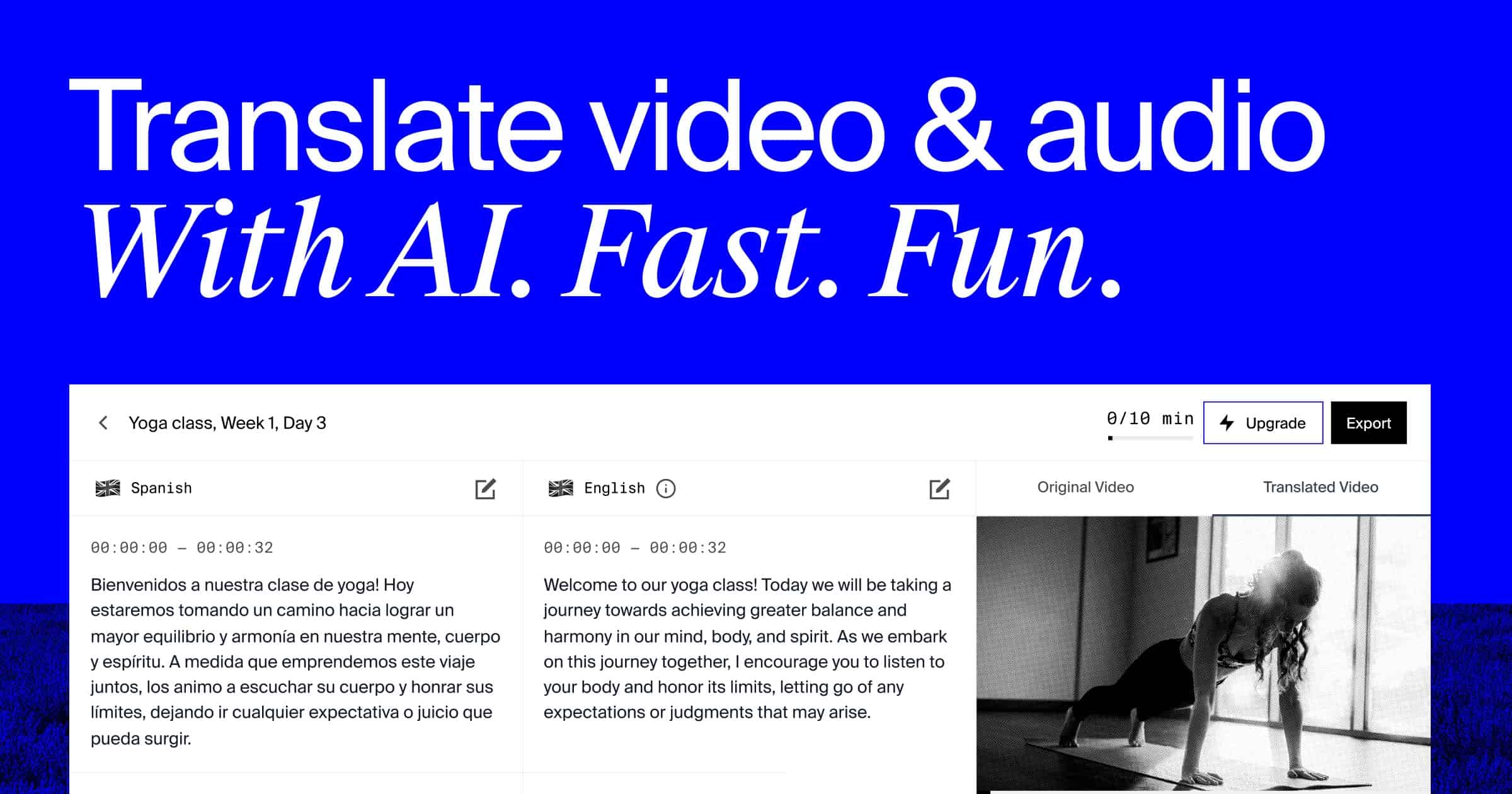
Rask is a popular AI video localization tool focused on voice translation and transcript generation.
- Strengths: Excellent voice cloning technology and localized subtitle synchronization.
- Weaknesses: It operates as a point solution. It does not generate zero-prompt thumbnails, does not support native multi-channel auto-publishing, and lacks deep YouTube channel optimization tools, requiring manual uploads.
Action Steps to Scale Your Channels Worldwide
Transitioning to an automated multi-channel strategy requires clear, systematic execution. Follow these actionable guidelines to launch your global content empire:
- Deploy Zero-Prompt Thumbnails: Eliminate graphic design bottlenecks. Extract high-contrast, emotional frames directly from your video stream and localized text overlays to boost CTR instantly.
- Repurpose Content via AI Shorts Extraction: Turn each long-form upload into 10 to 15 vertical clips. This high-frequency short-form content will fuel organic discovery on your regional channels.
- Automate Channel Management: Connect your international profiles to a unified workflow. Stop wasting hours logging in and out of different brand accounts; schedule your localized, packaged videos to publish simultaneously on autopilot.
By letting AI automate the repetitive tasks of translation, thumbnail creation, and scheduling, you can focus 100% of your energy on what matters: creating amazing content.
Extract Viral Shorts Instantly
Turn your long-form video into high-engagement Shorts with AI.