When cloning is the wrong starting point
Cloning assumes you have a person worth copying and the right to copy them. Plenty of projects have neither — faceless channels, product lines that need a neutral brand narrator, training programs that should not sound like one employee forever.
Voice Design starts from attributes instead of a sample. You invent the speaker, then put them to work.
Attributes over endless presets
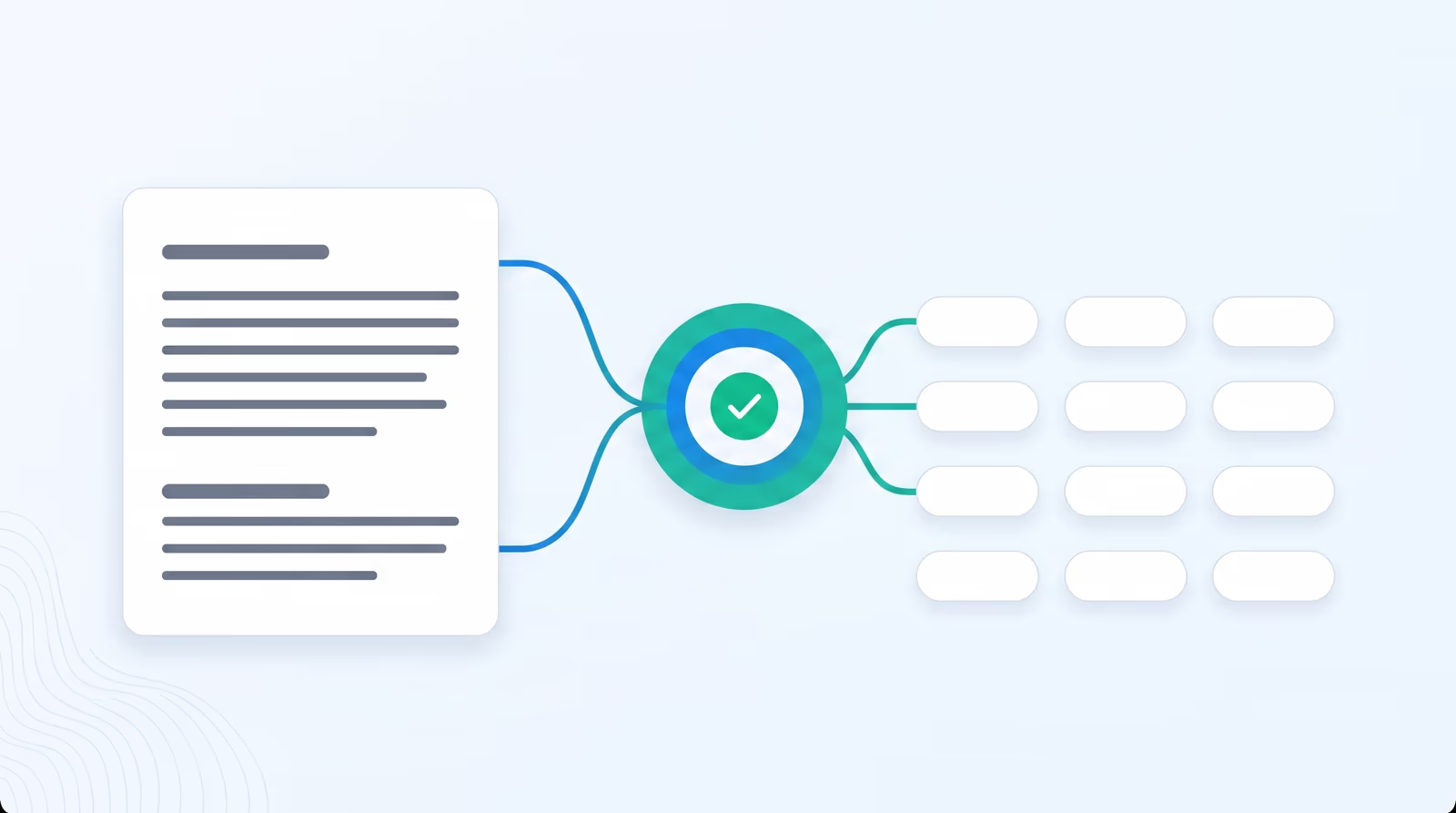
The useful controls are the ones teams actually decide in a brand meeting: who is speaking, roughly how old they sound, which accent fits the market, and whether the read should feel warm, crisp, or formal.
Braiv keeps the surface area there on purpose. You preview, adjust, and lock a persona into the library — then multilingual TTS does the volume work across scripts and languages.
One designed voice, many outputs
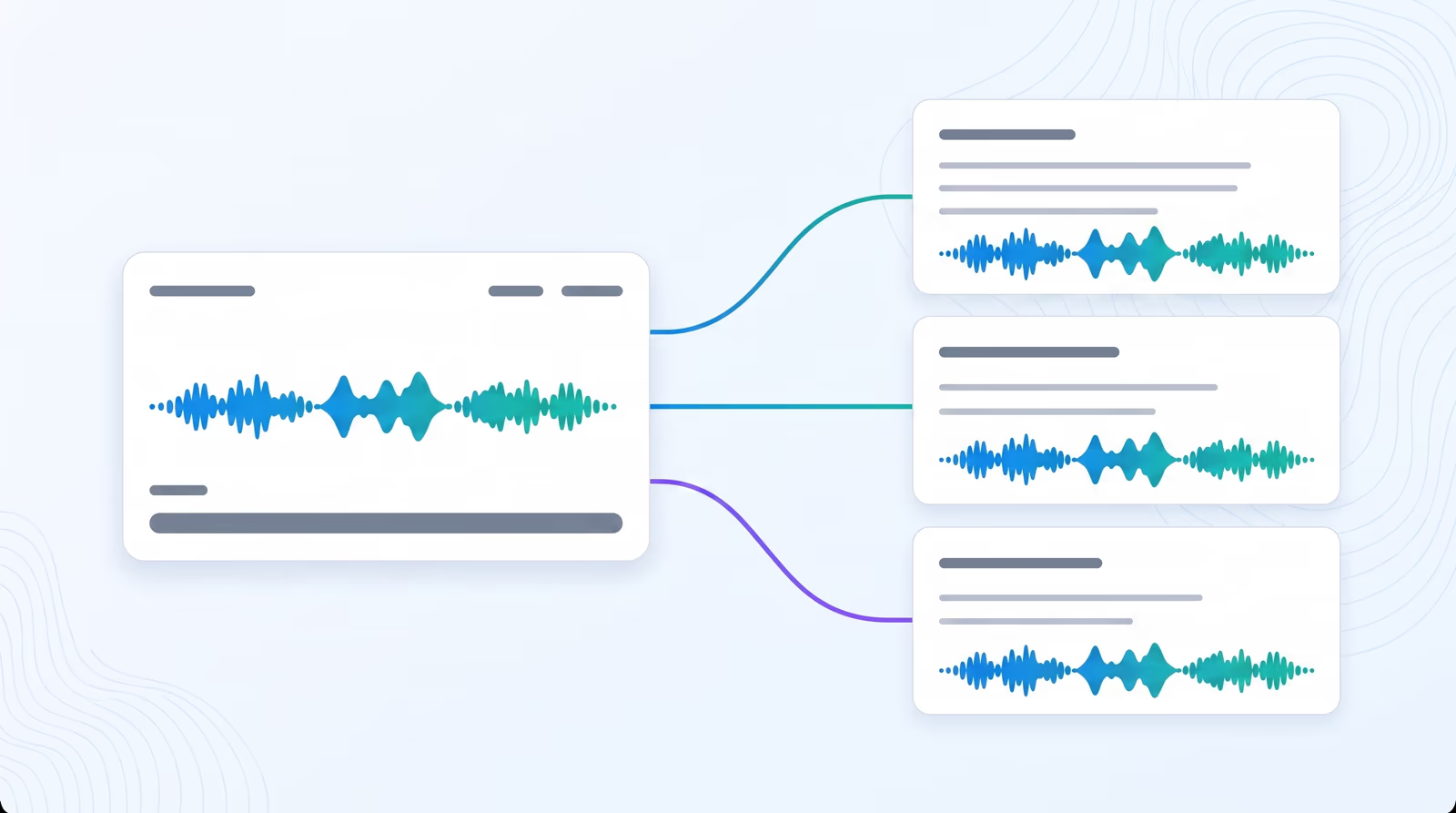
A saved voice is an asset. Use it for weekly ads, course modules, and product explainers so the brand does not drift every time someone picks a different stock voice from a dropdown.
Need a second character for a dialogue-style lesson? Design another. Need the real founder for a keynote cutdown? Switch to expressive voice cloning. Speech is built for that roster, not a single default narrator.
Speech versus Dubbing
Designed voices are for scripts. They do not replace AI video dubbing when the job is localizing a filmed presenter with translation and lip sync. Keep the products straight: Braiv Speech generates the voiceover; Braiv Dubbing localizes the video.
Teams often use both — Speech for net-new narration, Dubbing for catalog localization — on the same AI Credit balance.
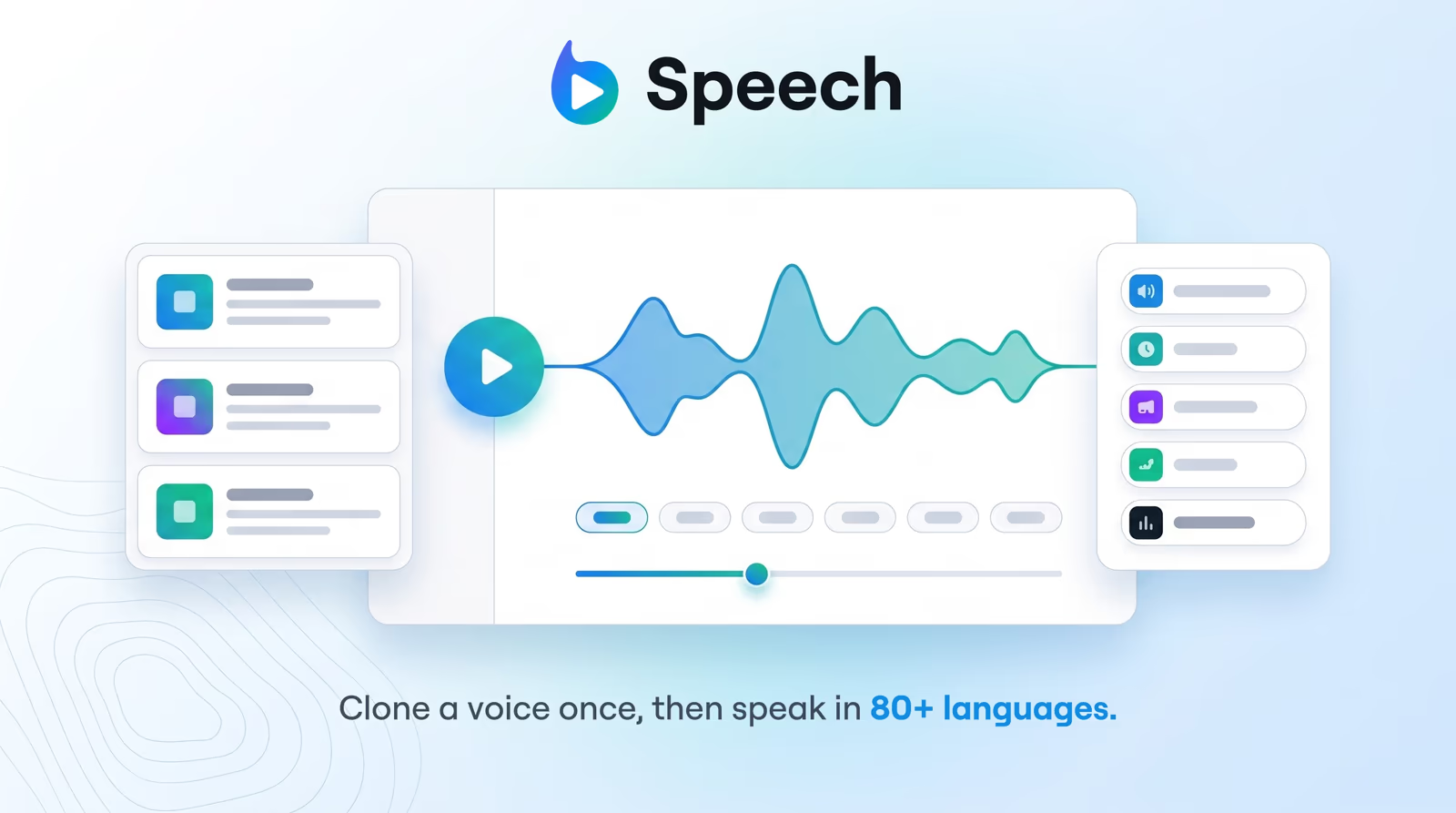
Where this sits in Braiv Speech
This is the from-scratch persona attribute inside Braiv Speech, next to expressive voice cloning and multilingual text to speech. Plan and credit detail on pricing.