
Why static subtitles are the wrong default
Most caption tools treat accuracy as the whole job: get the words right, dump them in a block at the bottom of the frame, and call it done. That is fine for compliance archives. It is the wrong default for a feed where the sound is off and the next video is one flick away.
The bottleneck is not spelling. It is attention. A static block gets skimmed. A word that lights up with the audio gets followed — and that is the difference between a scroll-past and a completed view on TikTok, Reels, and YouTube Shorts.
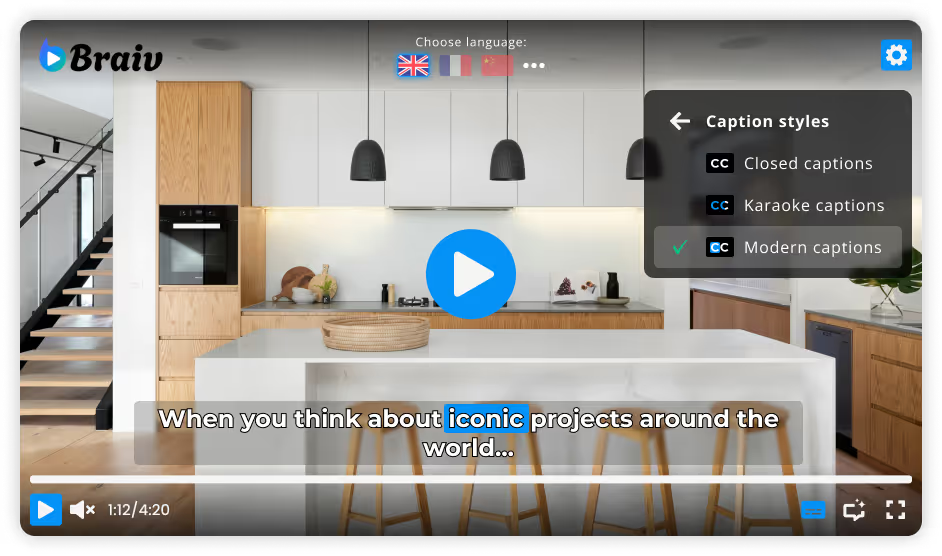
Karaoke motion versus subtitle blocks
Braiv burns captions from the transcript word by word. Each word highlights in sync with the speaker, so the eye has a moving target instead of a paragraph to decode. That motion works in silent autoplay environments like LinkedIn and TikTok, where audio cannot carry the message.
The practical difference is where your time goes. Instead of placing highlights by hand in an editor, you review the transcript, approve the style, and the burn-in is already done — on shorts, clips, and full-length uploads from the same pass.
Getting timing and speakers right
Caption quality collapses when timing drifts or speakers blur together. Braiv auto-detects dialogue across 80+ languages with speaker separation, then lets your team lock brand terms and technical vocabulary before render. That review step is what keeps a product name from becoming a phonetic guess on the finished video.
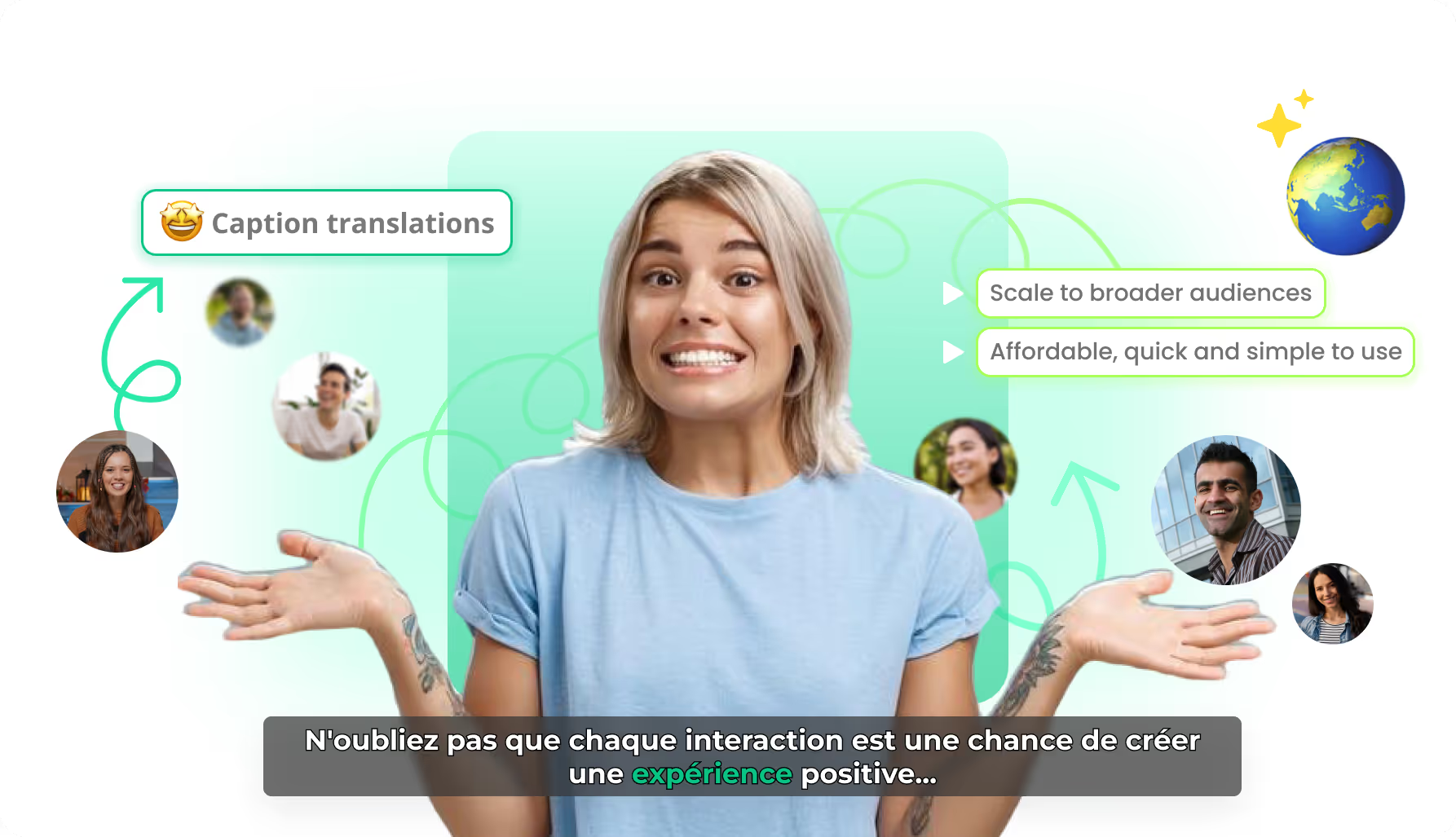
For mute-first short-form, word-by-word captions are one of the highest-leverage retention tools available — pair them with AI caption translation when the same cut needs to ship in more than one market.
Where this sits in Braiv Captions
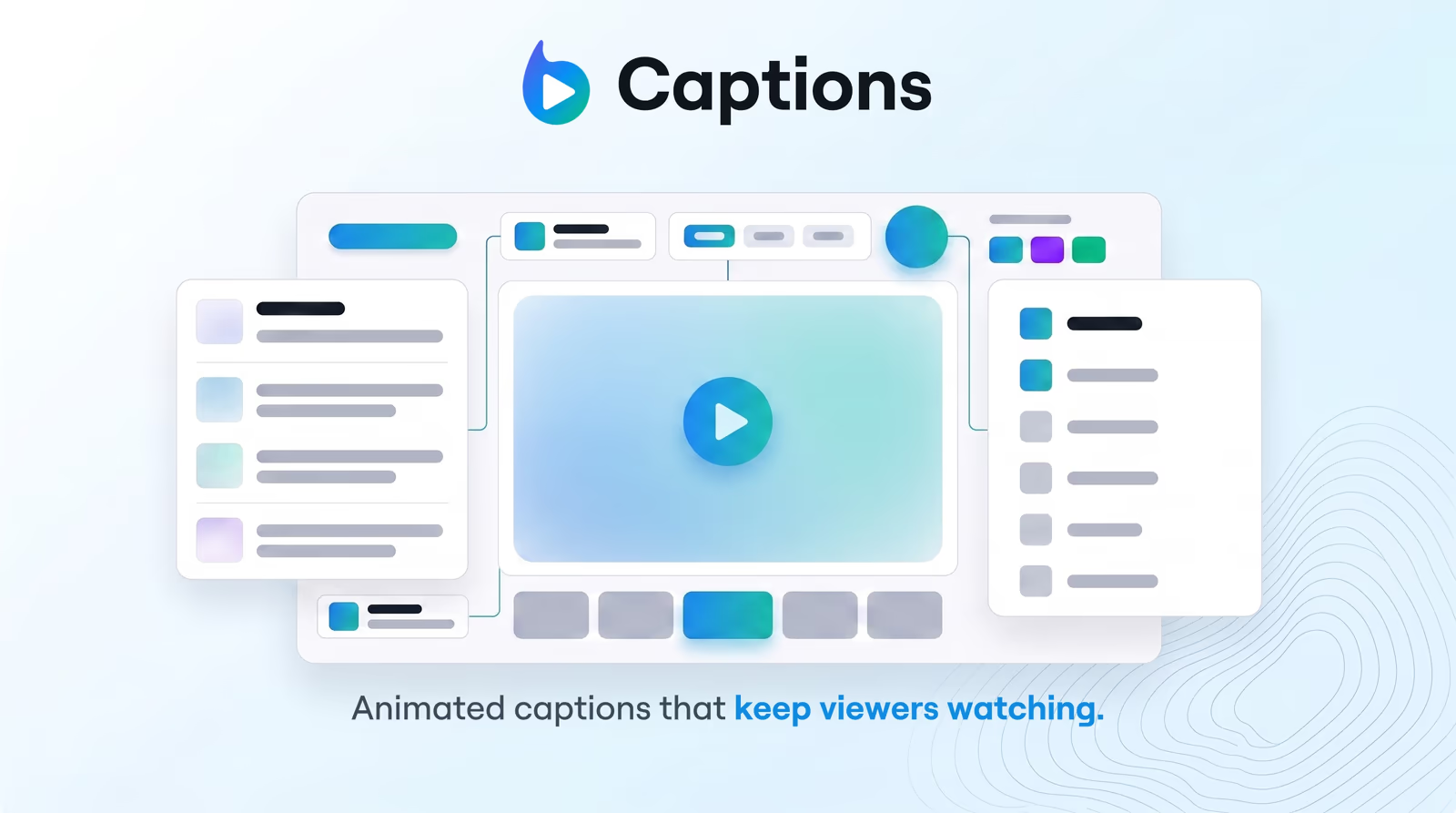
This is the karaoke animation attribute inside Braiv Captions. The same product also covers on-brand caption styles and AI caption translation. Captions run on the shared AI Credit balance when you generate or localize at volume — full plan detail on pricing.