
Why keyword research is the wrong bottleneck
Most YouTube SEO tools help you research what to say in the title. That is useful when you are still planning the video. It is the wrong job for a team that already has the recording — and still needs titles, descriptions, tags, and chapters that match what was actually said.
The bottleneck is packaging at volume: every long-form upload, every short, every language channel. Guessing keywords in a blank field does not scale when you ship dozens of assets a week.
Transcript-led packaging versus prompt guessing
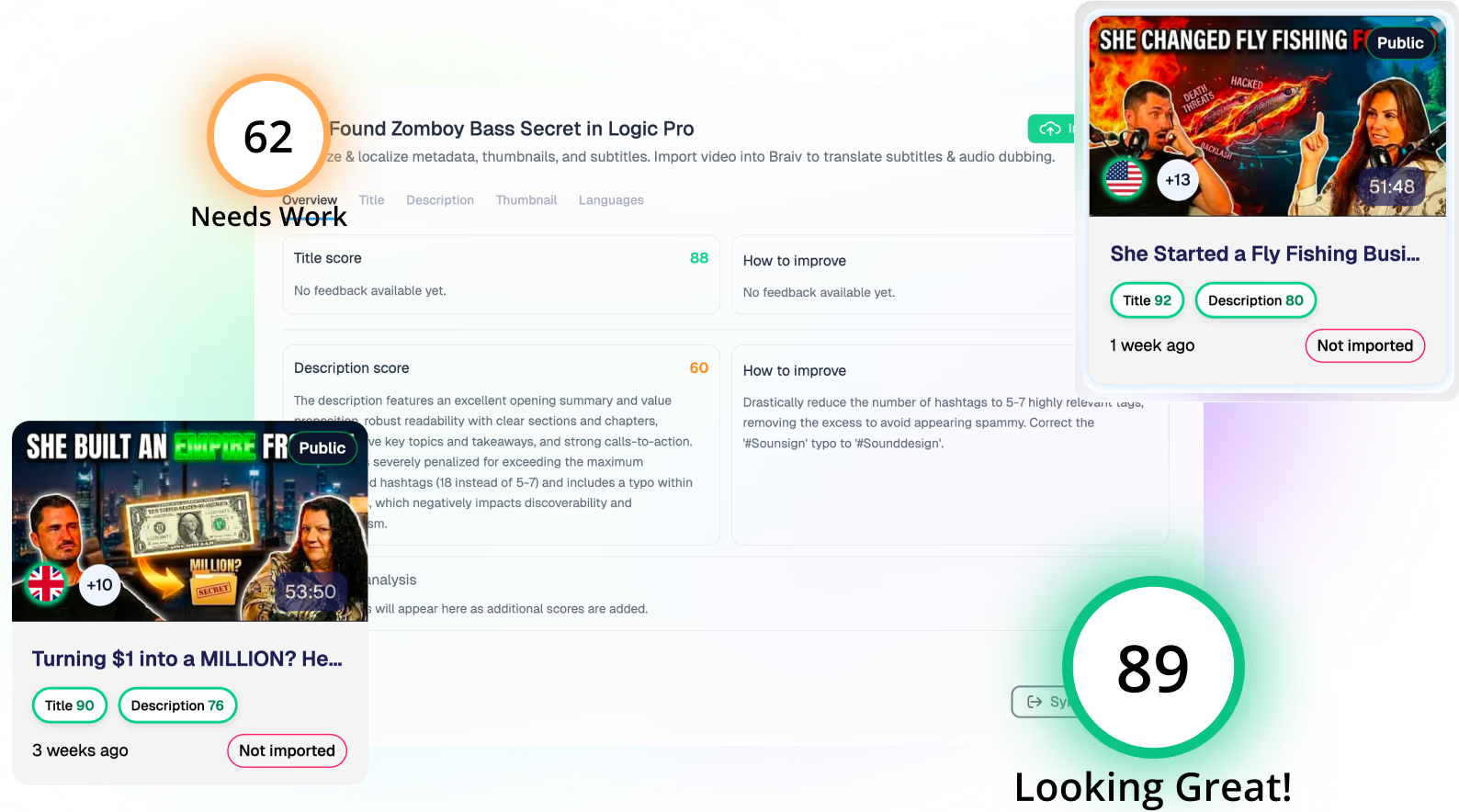
Braiv reads the transcript and pulls hooks, topics, and keyword clusters from the dialogue itself. Title options and a chaptered description come back already aligned to the video — not to a prompt someone typed while half-remembering the episode.
The practical difference is accuracy under speed. Instead of inventing packaging and hoping it matches the cut, you review options that were generated from the source of truth. When long-form becomes shorts and clips, each asset gets segment-specific metadata instead of a duplicated parent description.
Localization and brand review
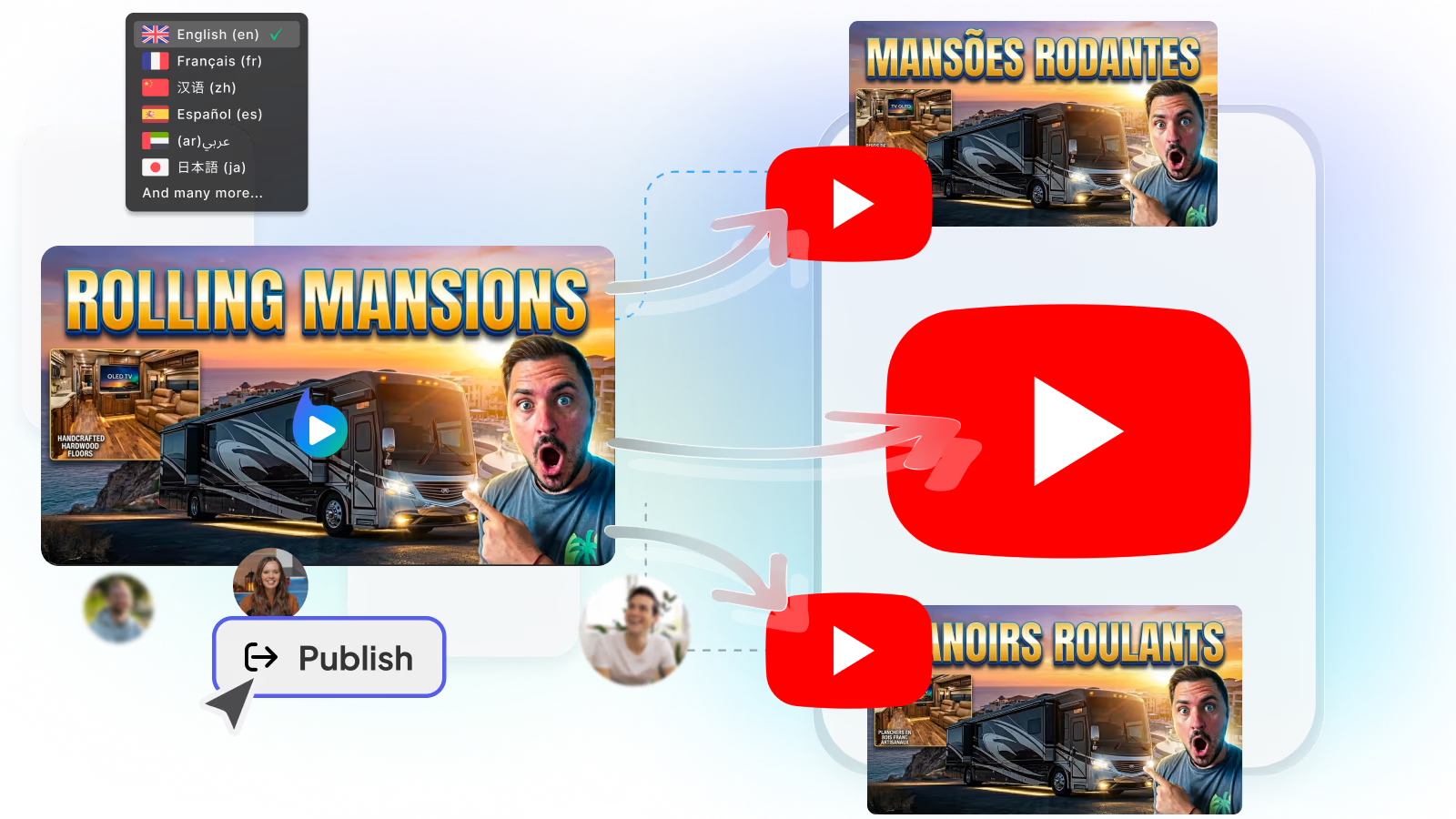
A dubbed Spanish video with an English-only title cuts discoverability in half. Braiv localizes titles and descriptions into 80+ languages alongside captions and dubs, then lets your team lock brand terms before publish so product names stay consistent across markets.
Pair packaging with AI title options when you want more CTR variations to A/B, and with multi-channel publish when the package is ready to ship everywhere.
Where this sits in Braiv Connect
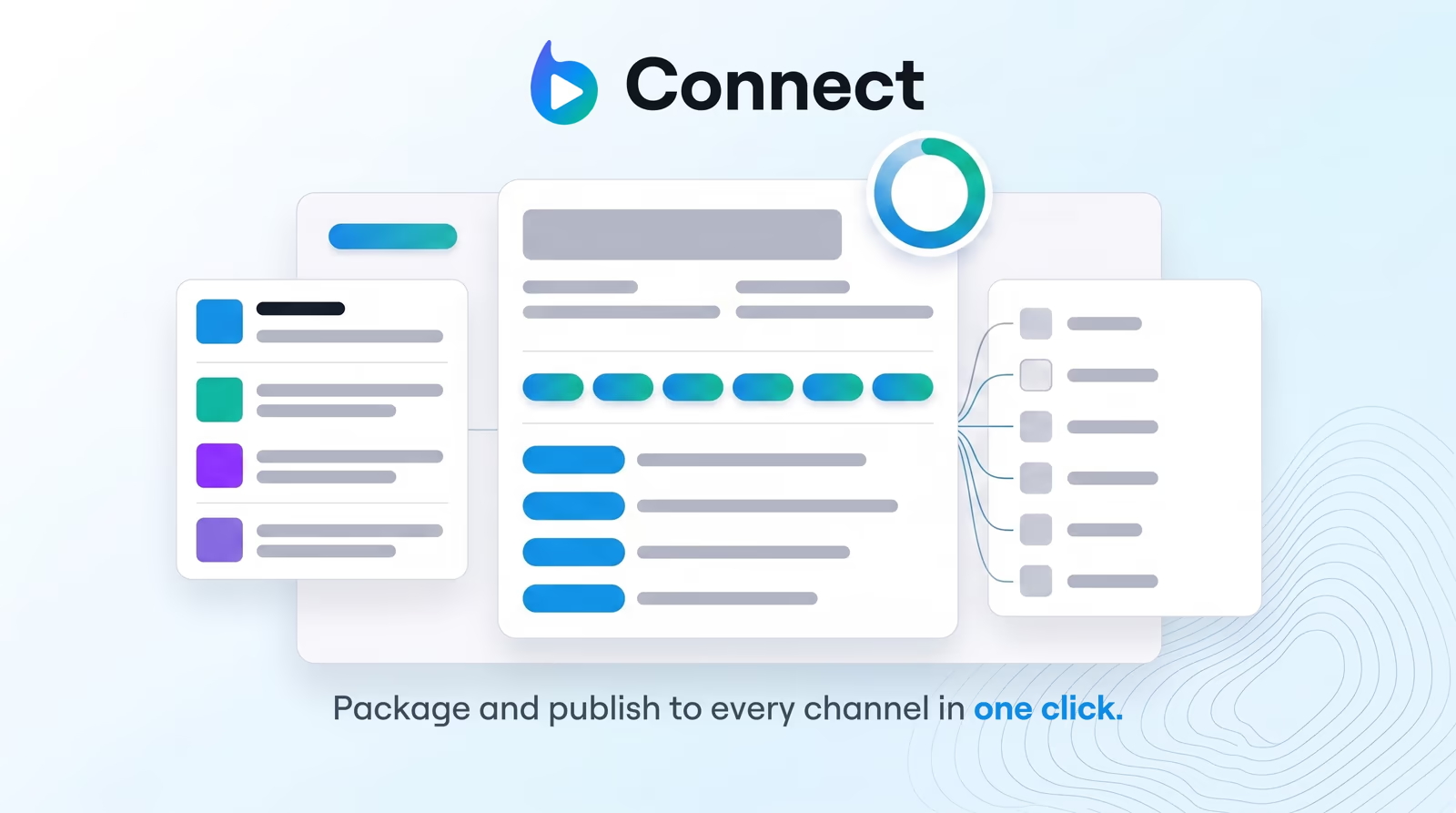
This is the core packaging attribute inside Braiv Connect. The same product also covers YouTube AI title generation, optimizing existing videos, and auto-publish to multiple channels. Generation draws on the shared AI Credit balance — full plan detail on pricing.