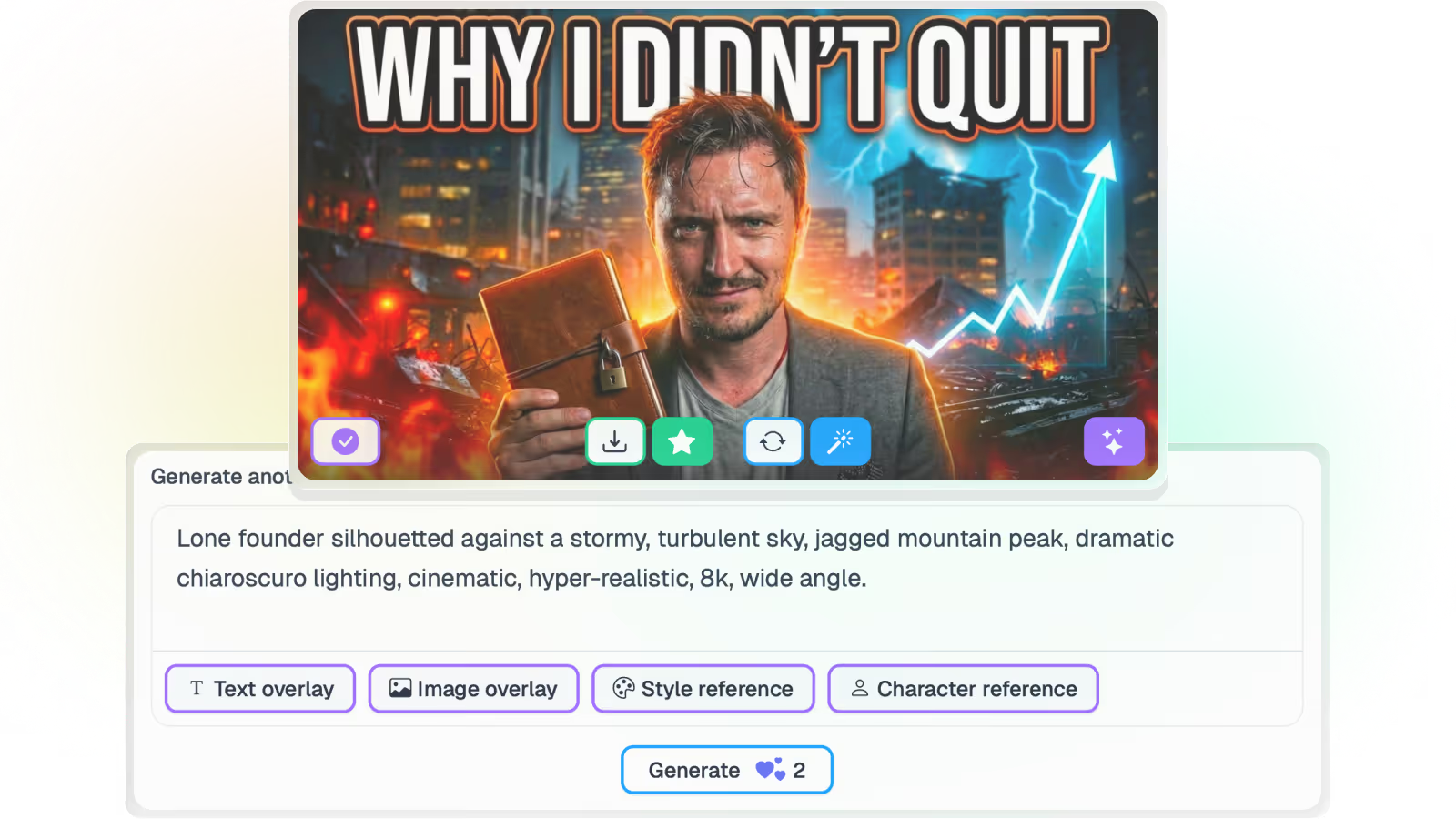

The difference between a weak concept and a weak render
Some thumbnails fail because the idea is wrong. Many more fail because the idea never survived the feed: muddy contrast, a face that disappears at phone size, or text that looked fine in a design file and unreadable in the grid.
One-click optimization is for the second problem. It applies the feed-level fixes so you do not reopen Photoshop every time Analytics shows a soft CTR.
Contrast and punch for the YouTube grid
Thumbnails compete against a crowded shelf of other images, not against a blank canvas. Braiv boosts contrast and saturation so the image holds against light and dark YouTube chrome without you grading each file by hand.
That matters most on mobile, where the thumbnail is small and the competition is one thumb-flick away.
Faces, subjects, and emotional clarity
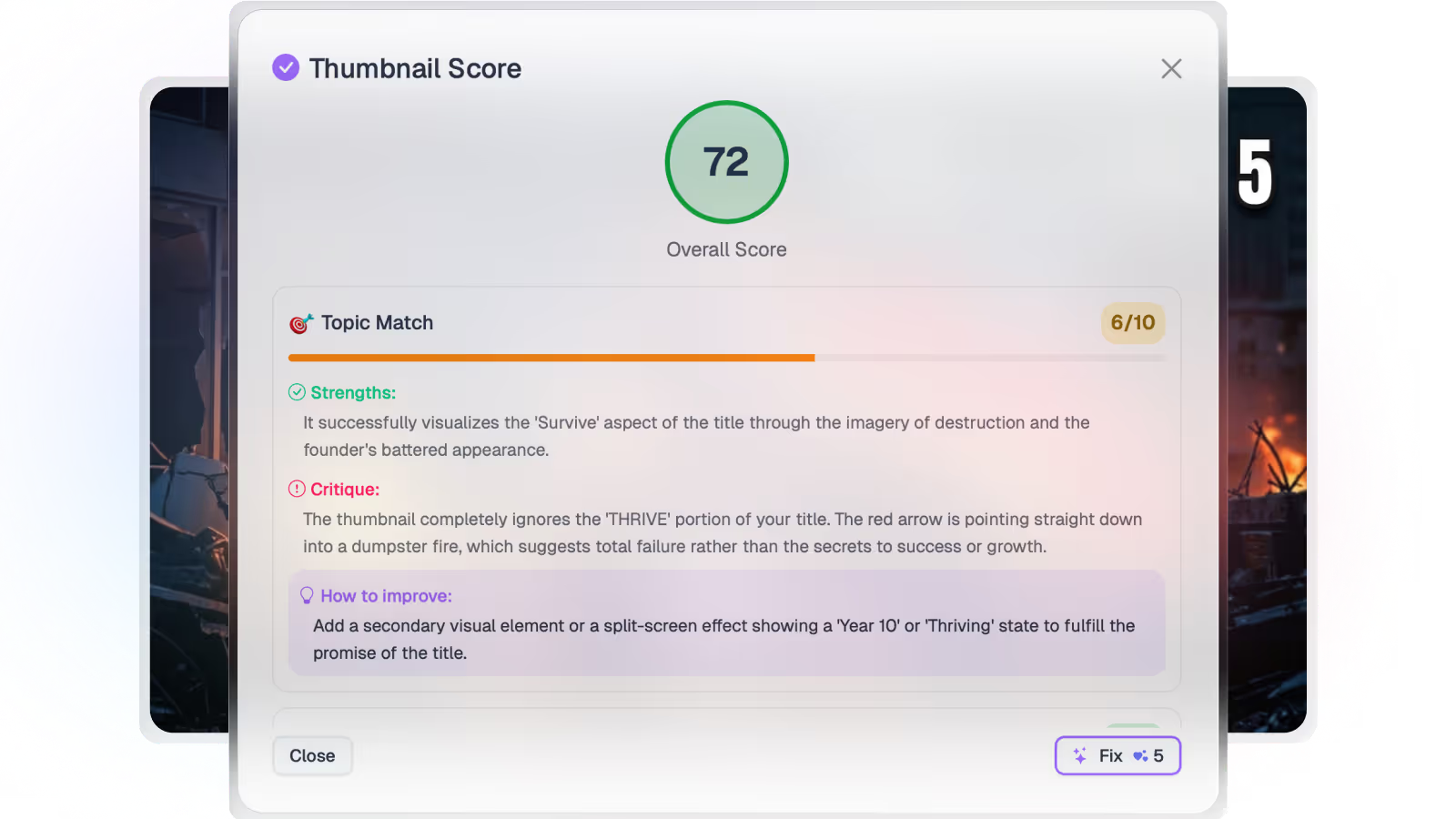
Clicks often come from a clear human expression or a sharp subject. Soft, underexposed, or low-contrast faces lose that cue. Optimization brightens and sharpens the subject so the emotional read survives at feed scale — the same constraint scoring checks before you publish.
Text that still works on a phone
Most YouTube viewing is mobile. Overlay text that is elegant at desktop preview size often collapses into noise in the app. Braiv checks and improves legibility so the words remain part of the click decision, not decoration.
Pair this with AI generation when you need new concepts, and with thumbnail translation when those words need to match a dubbed market.
Where this sits in Braiv Thumbnails
This is the enhancement attribute inside Braiv Thumbnails. Score first, fix in one click, regenerate when the concept is wrong, localize overlays for every market — one pipeline, shared AI Credits. Full plan detail on pricing.