
Why you should not wait for the CTR report
Click-through is a lagging signal. By the time YouTube tells you a thumbnail underperformed, the upload has already burned its first wave of impressions.
Scoring flips that order. You get a structured read on composition, legibility, and title match while the video is still in draft — so the decision happens before publish, not after a weak week in Analytics.
What “good” means at feed size
A thumbnail that looks sharp in a full-screen design tool often fails when it is a few centimeters wide on a phone. Braiv evaluates the image the way the feed will show it: contrast against YouTube’s chrome, text that still reads at small sizes, and a subject that remains clear when half the detail disappears.
Title match matters as much as polish. An image that promises a different story than the title creates confusion, not curiosity — and confused scrollers do not click.
Feedback you can act on
A score without a reason is theater. Braiv returns specific recommendations — boost contrast, enlarge text, simplify the layout, align the subject with the title — so the next edit has a target instead of a vibe.
That feedback is what makes A/B choices useful: you are comparing scored options with known weaknesses, not two gut feelings.
From score to fix without a redesign
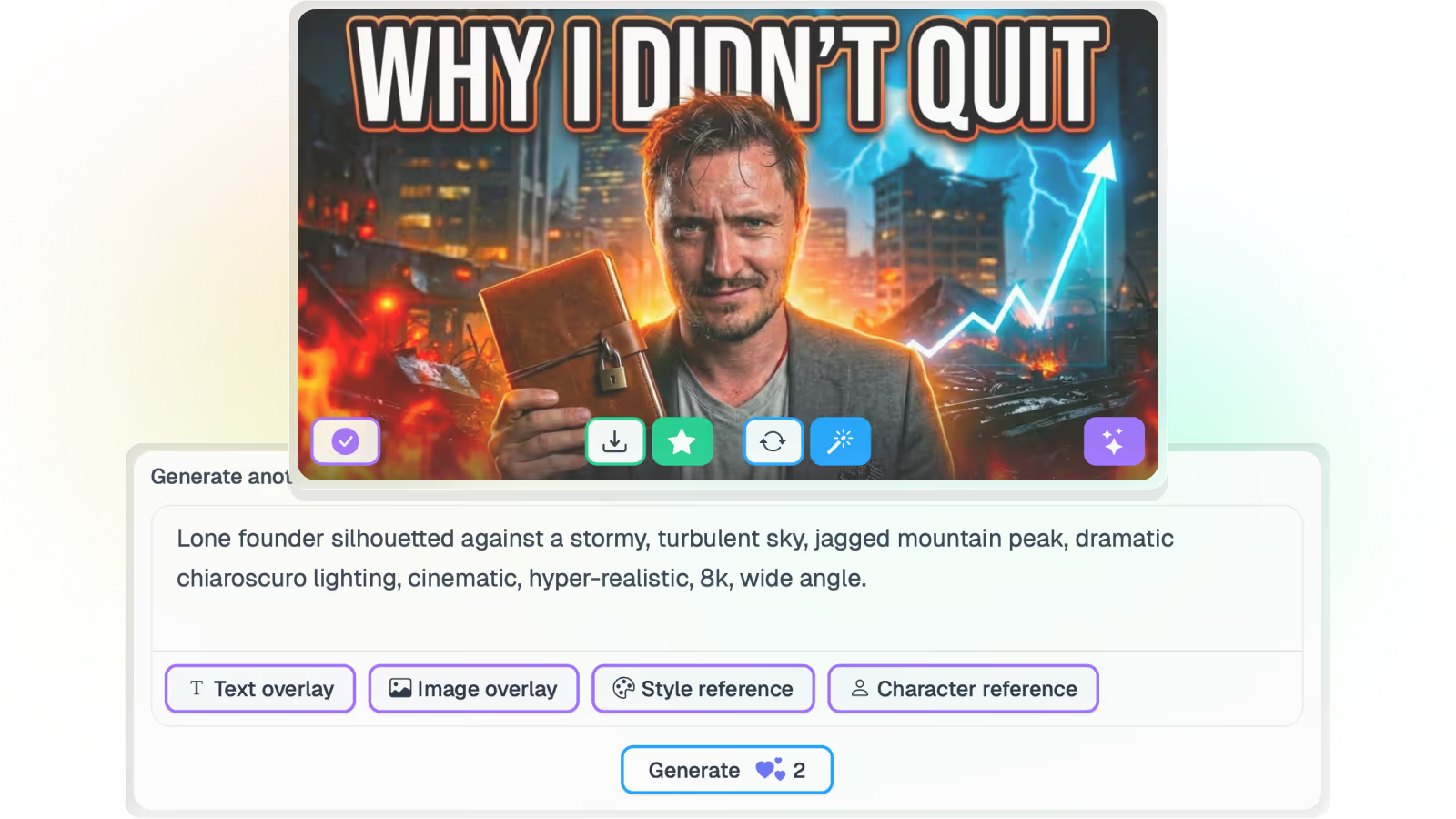
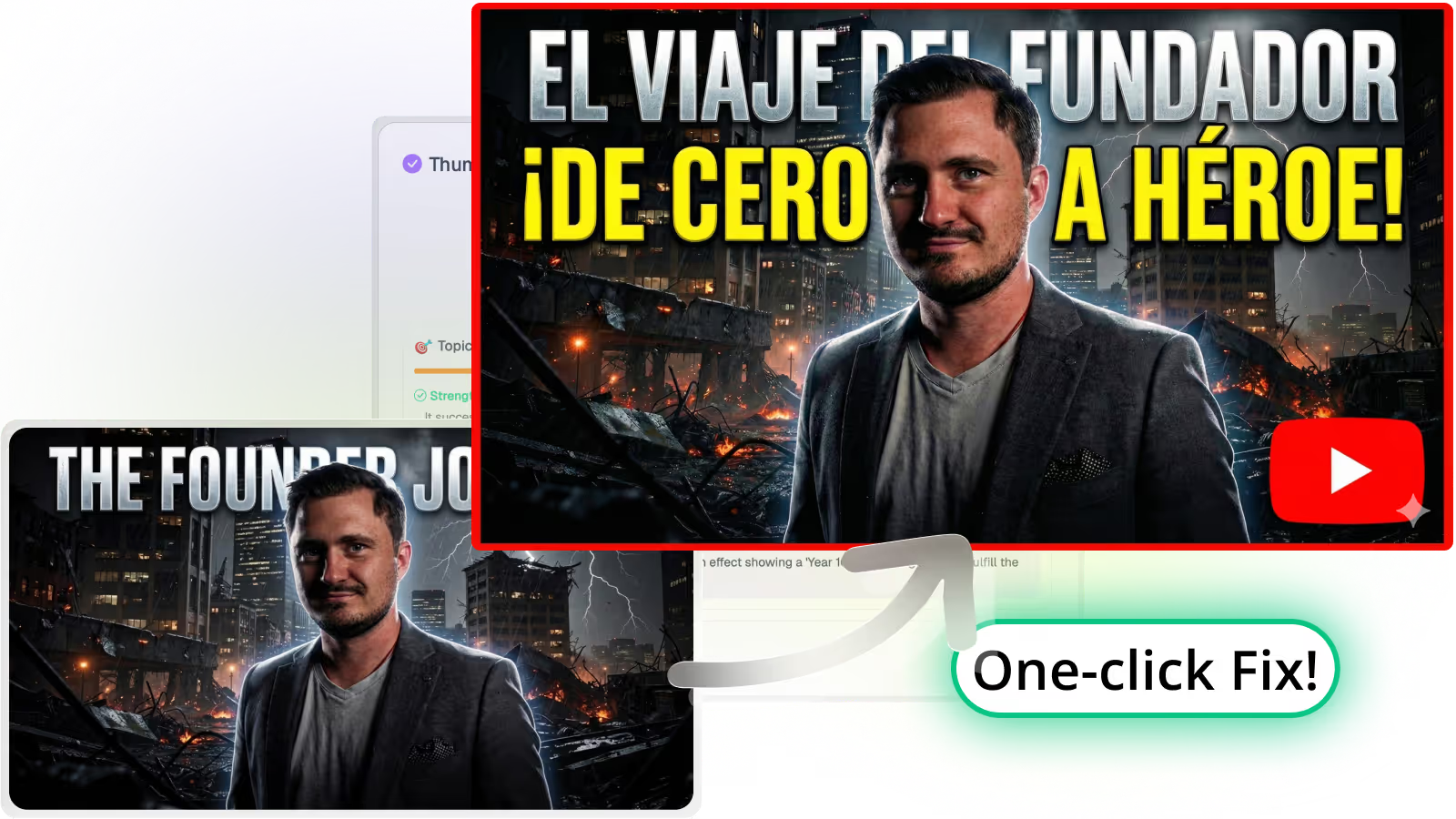
When the problem is contrast, subject clarity, or mobile text, one-click optimization applies the fix and you rescore. When you need a new concept entirely, go back to AI generation from the video. For markets beyond English, translate overlay text so the scored package matches each dubbed title.
Where this sits in Braiv Thumbnails
This is the scoring and fix loop inside Braiv Thumbnails. Generation, scoring, one-click optimization, and localization share one pipeline and one credit balance — full plan detail on pricing.