Most YouTube SEO tools help you research keywords. The bottleneck for multi-channel teams is packaging and publishing — titles, descriptions, tags, and chapters that match the video, localized for every market, then pushed live without a re-upload loop.
Braiv Connect is built for that job: transcript-powered metadata, backlog fixes, and one-click publish across every connected channel.
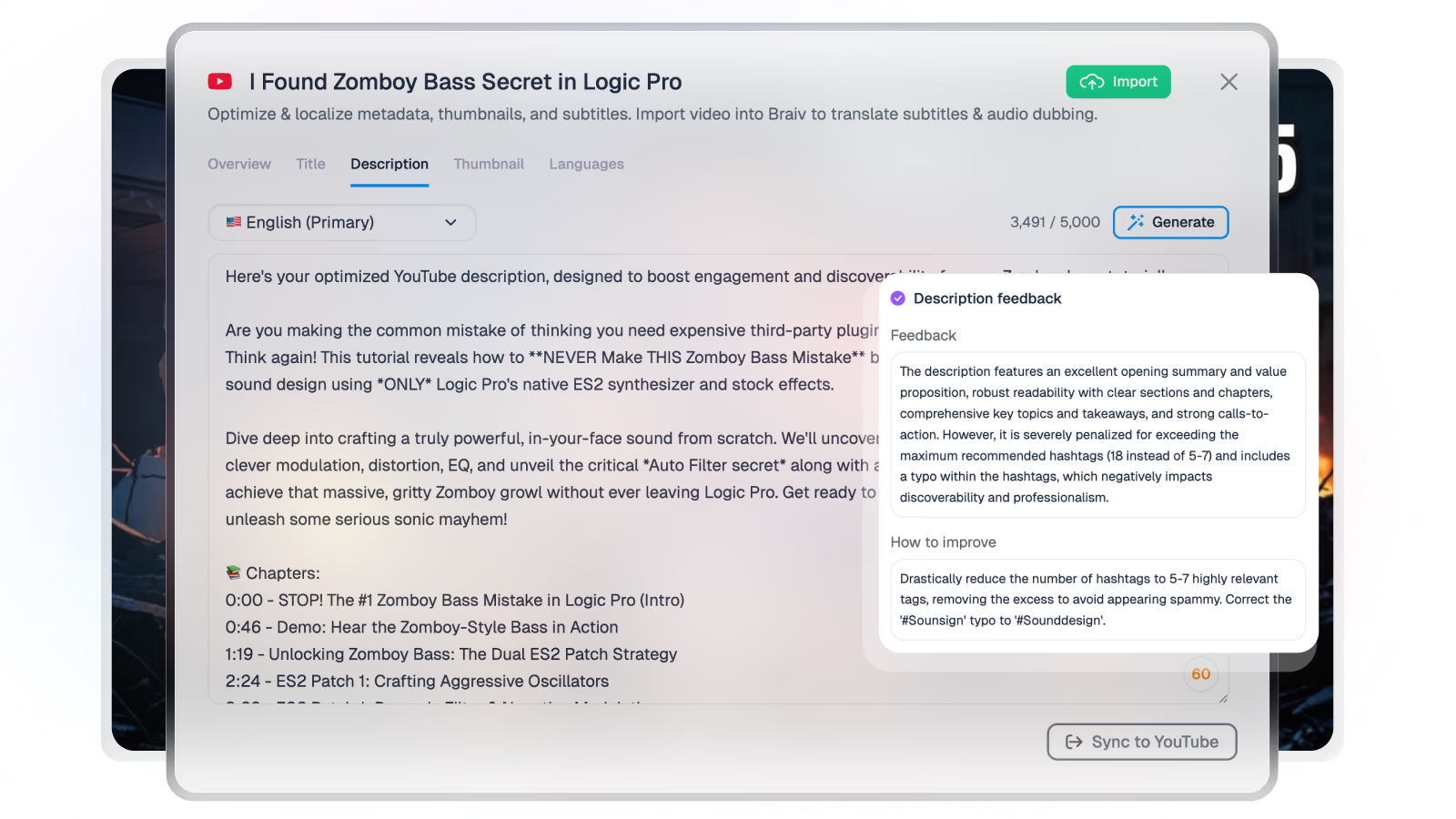
Weak packaging buries strong content. Braiv analyzes what you actually said, pulls hooks and keyword clusters, and returns title options, a chaptered description, and topic-accurate tags. When long-form becomes shorts and clips, each asset gets its own segment-specific metadata — not a pasted parent description.
Localize packaging with the rest of the video
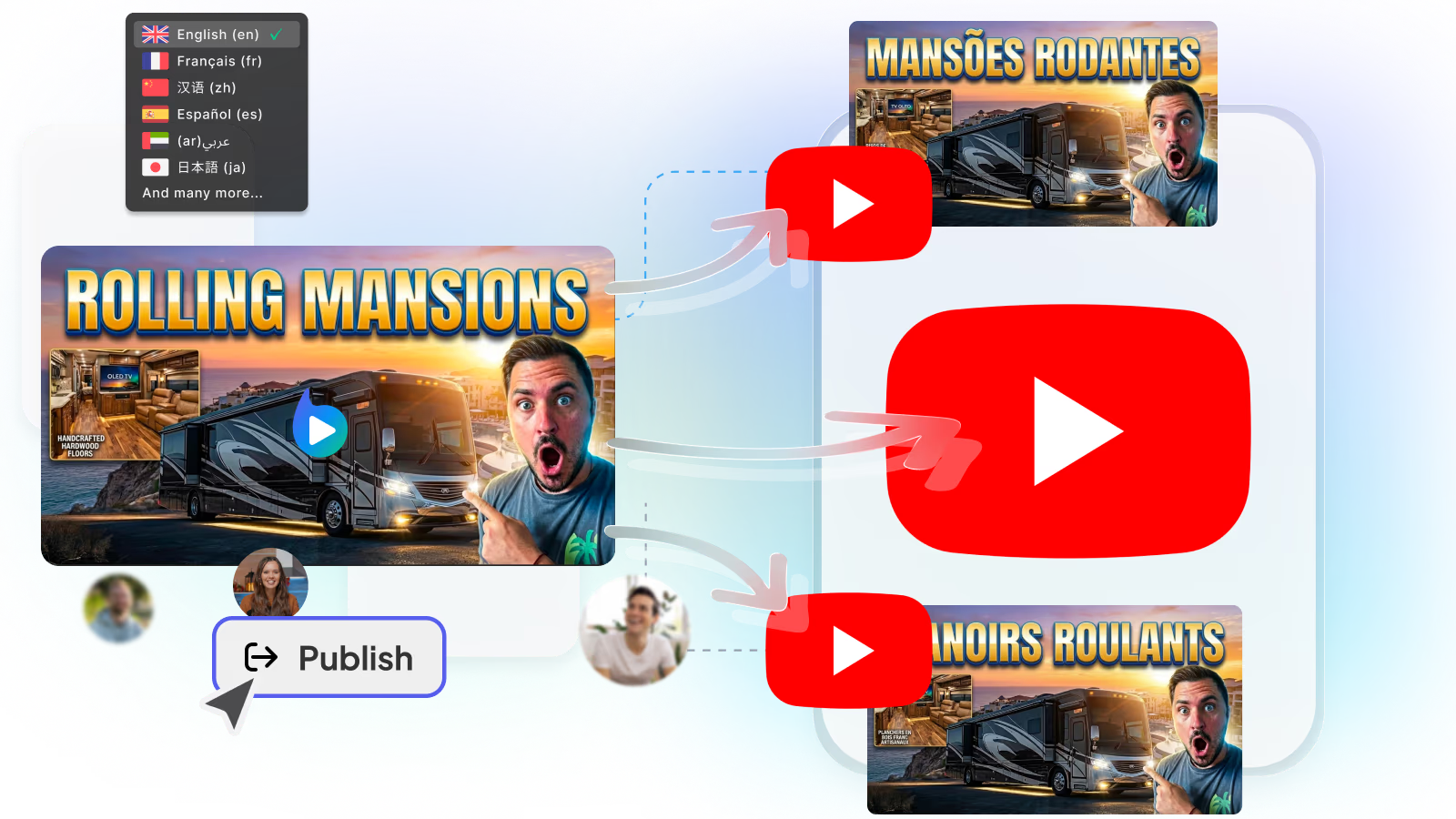
A dubbed video with English-only titles and tags cuts discoverability in half. Braiv localizes titles, descriptions, and tags into 80+ languages alongside dubbed audio, captions, and thumbnails so Spanish and Japanese uploads can rank in local search. Edit terminology before publish to keep brand language consistent.
Fix the backlog, then publish everywhere
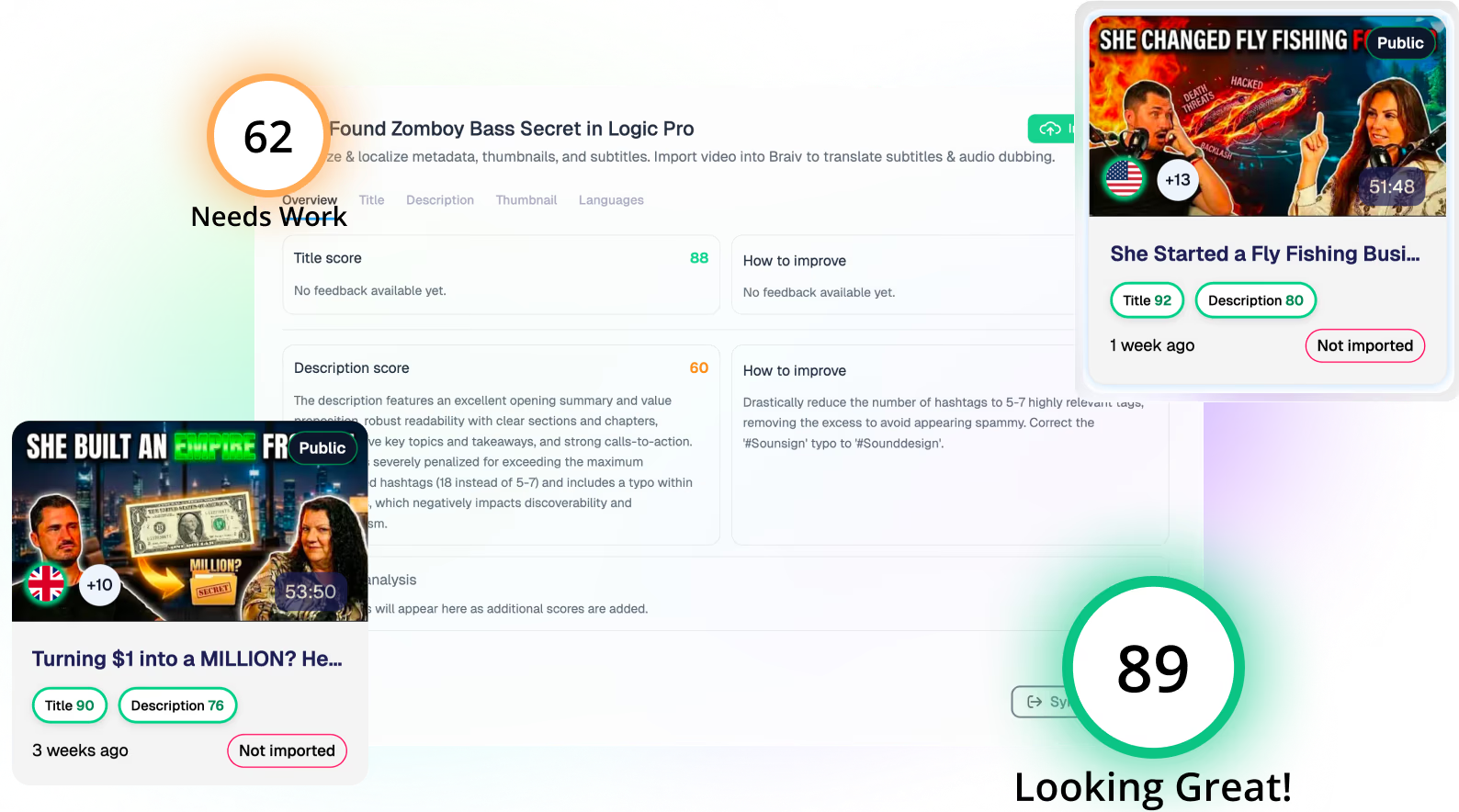
Score underperforming uploads, refresh titles and descriptions without reuploading, and auto-publish packaged assets to every connected channel — including language-specific secondaries — from one approval. For teams comparing research dashboards to a full packaging pipeline, see the VidIQ alternative page and pricing.