
Timbre matching is the wrong ceiling
Most “voice clones” copy how someone sounds and miss how they speak. The result is a voice that passes a five-second demo and falls apart across a three-minute script — flat emphasis, wrong breaths, none of the personality that made the sample worth cloning.
Expressive cloning is aimed at that longer job: tone, cadence, and style surviving the full read.
Built for voiceovers, not video re-lips
Braiv Speech is a text-to-speech product. You bring a script; it returns narration. That is different from Braiv Dubbing, which localizes footage you already shot — translation, timed audio, optional lip sync.
If the asset starts as a video with a person on camera, start in Dubbing. If the asset starts as a script that needs a voice, start here.
Cross-lingual continuity without a new cast
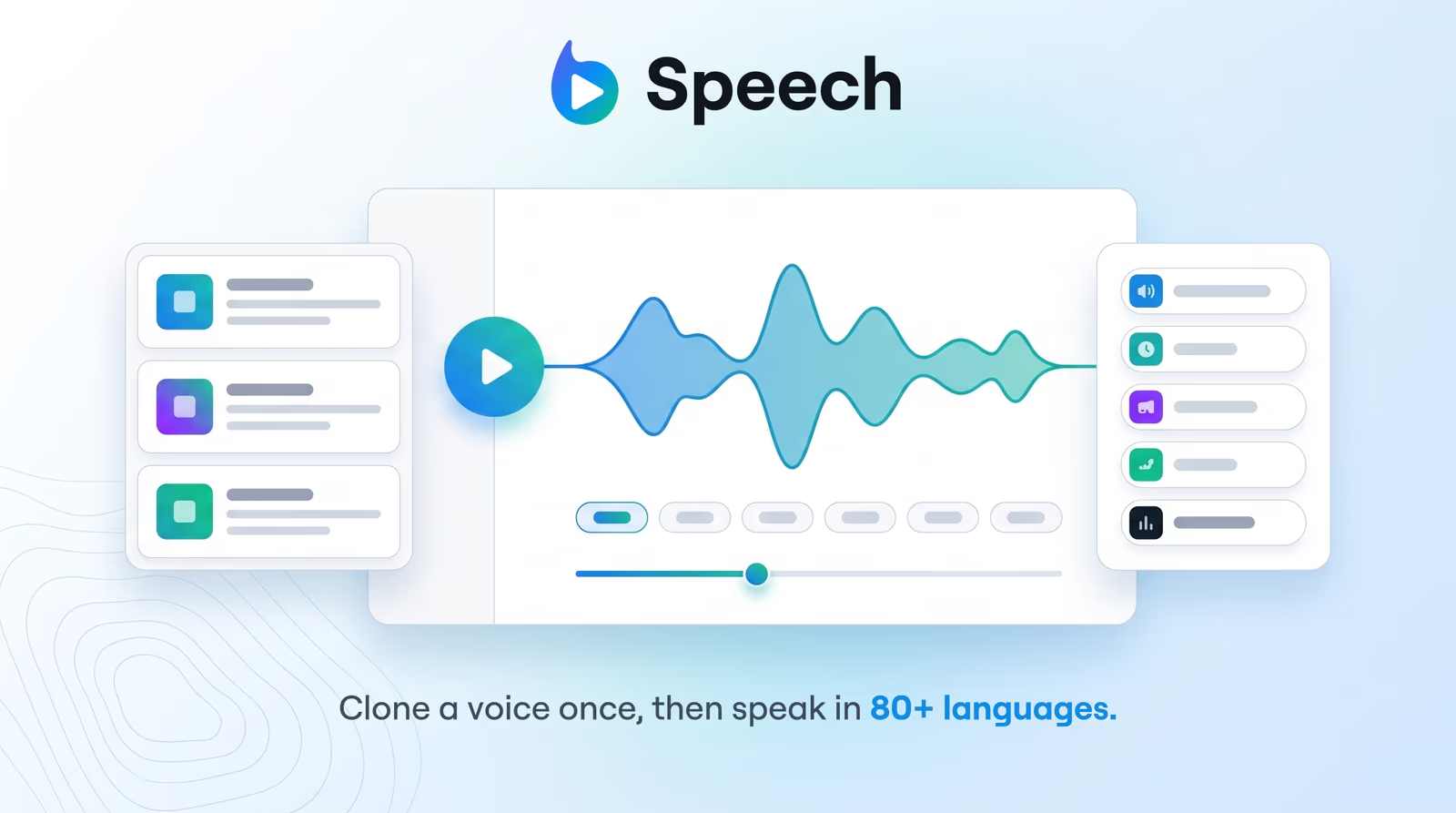
Once a clone exists, the same identity can narrate in 80+ languages. Marketing and L&D teams use that to keep a founder or instructor present in every market without booking multilingual talent for every release.
Pronunciation follows the target language; character follows the sample. That is the trade that makes global voiceovers feel intentional instead of outsourced.
Prosody that survives speed changes
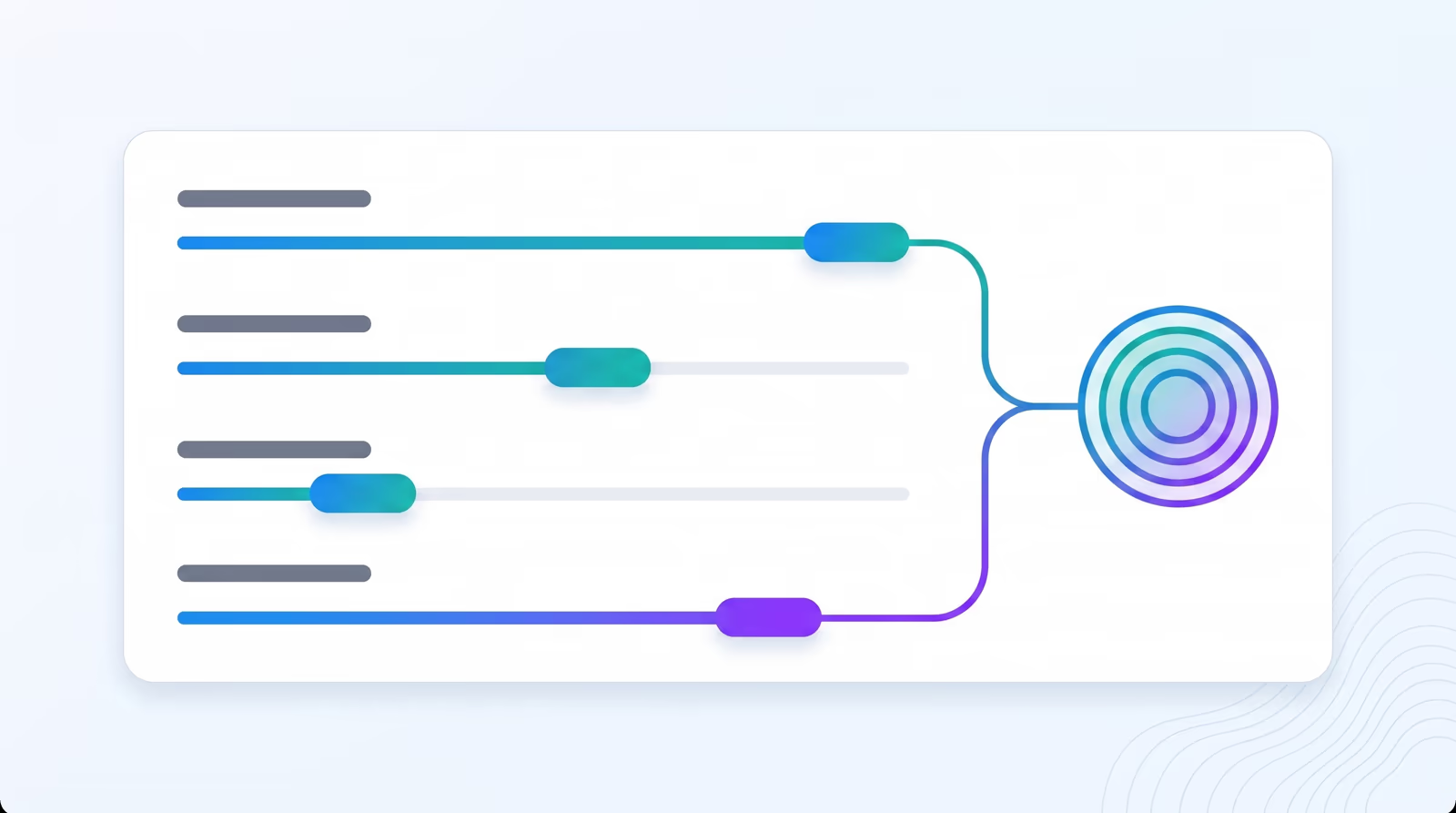
Speeding up a waveform makes voices sound wrong. Braiv adjusts delivery at the prosody level so faster or slower speech still reads as a human choosing a pace — emphasis and pauses intact. That matters for ads that need a tight cut and courses that need a patient one, both from the same clone.
Pair cloning with multilingual text to speech when the script language changes, or with voice design when you need a second persona that was never recorded.
Where this sits in Braiv Speech
This is the sample-based cloning attribute inside Braiv Speech, alongside AI voice design and multilingual TTS. The same voices can feed dubbing workflows when you need them in video localization, and Braiv Capture uses an expressive clone as the narration voice when it cleans up and revoices a recorded walkthrough. Generation uses AI Credits — allowances on pricing.