
Why one great clip is the wrong goal
Most clipping tools are built to help you make a single short really well. That is a fine job, and the wrong one for a channel that needs a week of Shorts out of every recording it already has sitting in a folder.
The bottleneck for that team is not editing quality. It is triage: knowing which four minutes of a ninety-minute podcast are worth anyone’s attention, and getting to them without watching the whole thing again.
Transcript-led clipping versus timeline scrubbing
Scrubbing a timeline is a search problem you solve visually, and video is a bad medium for visual search — nothing on a waveform tells you where the good answer was.
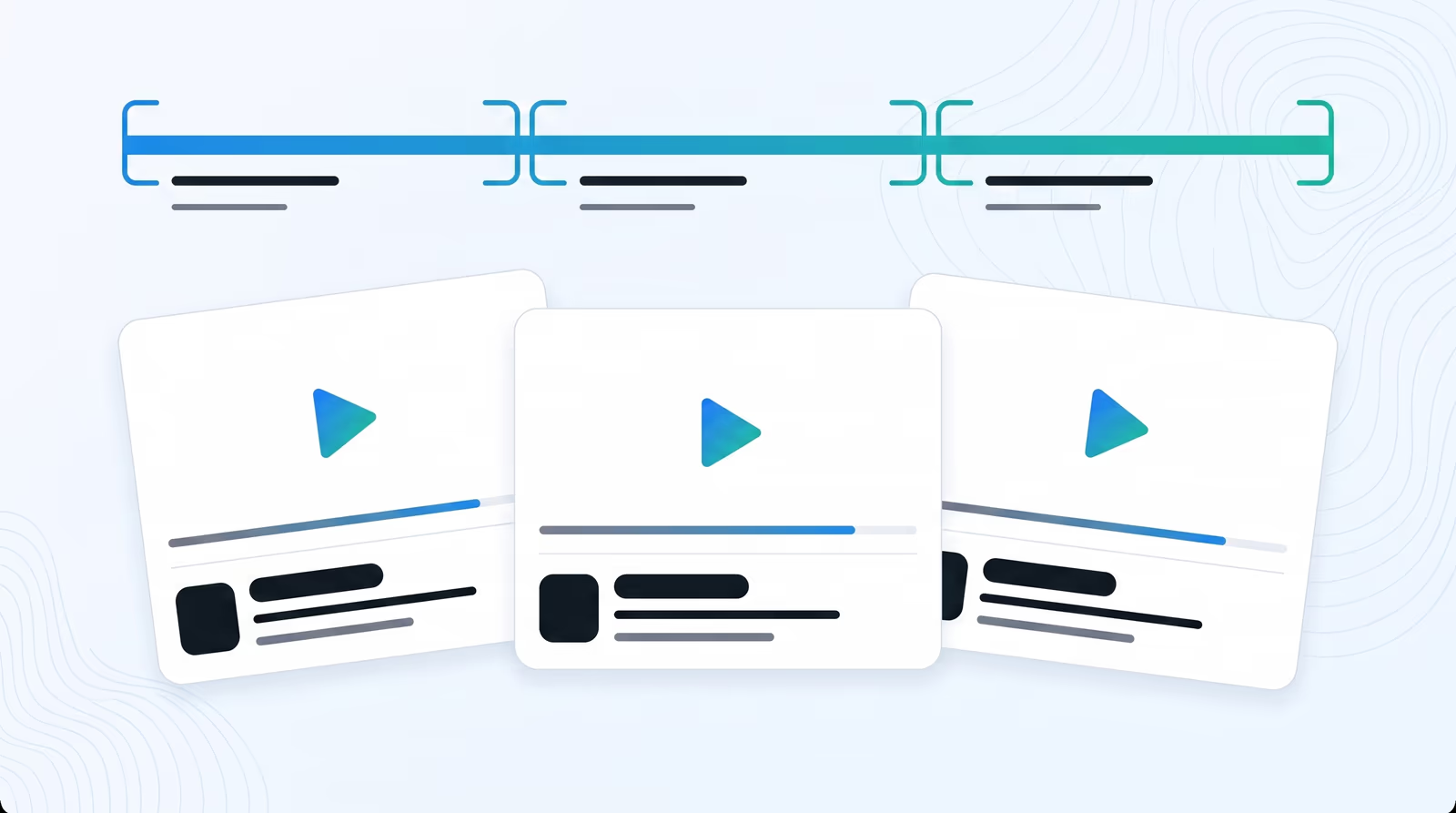
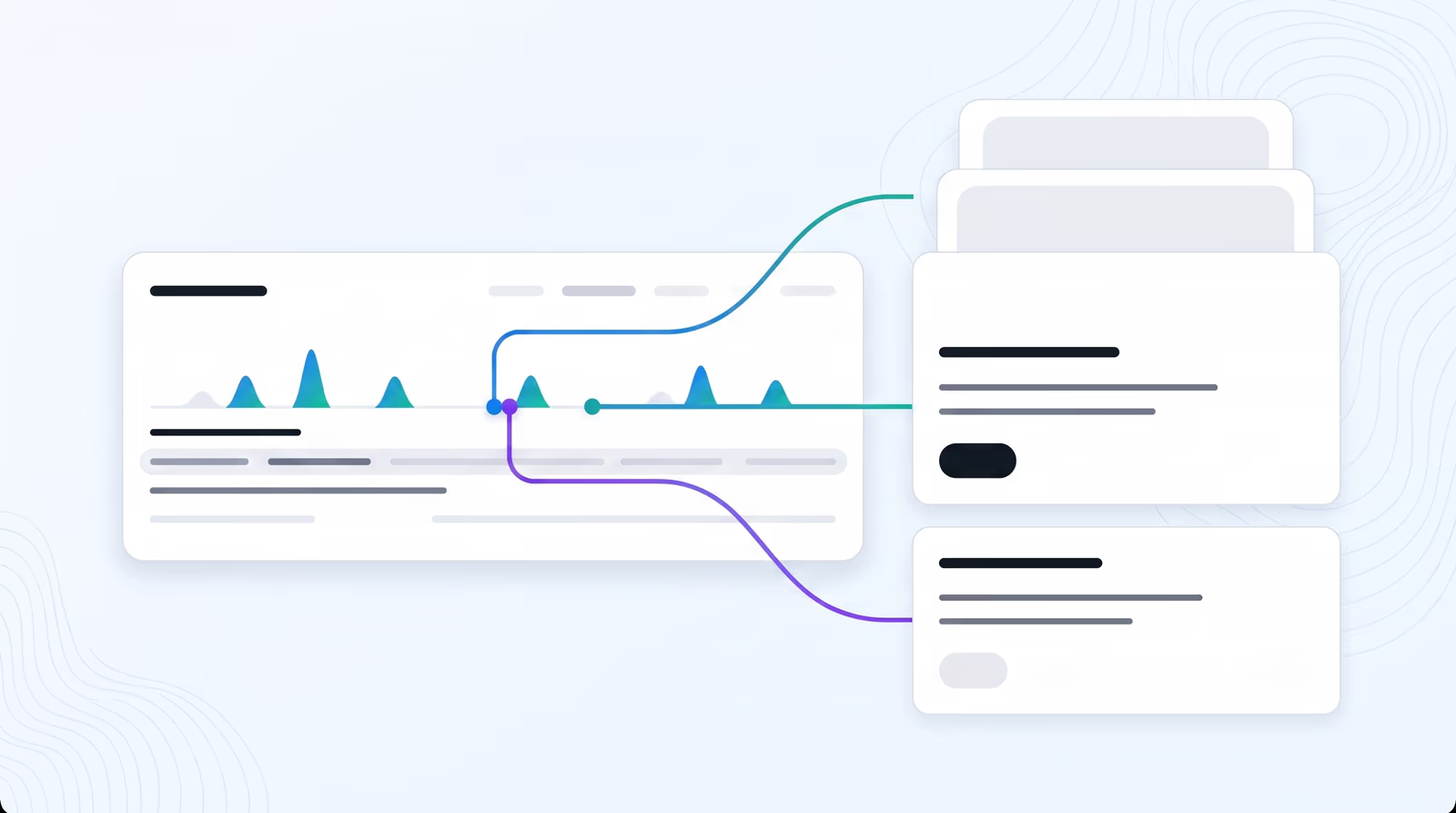
Braiv reads the transcript instead. It looks for self-contained moments: a question with its answer attached, a claim with a number behind it, a punchline with its setup close enough to survive a 45-second cut. Each candidate is scored on whether it still works with nothing around it, because that is the only context a short ever gets.
The practical difference is where your time goes. Instead of an hour of scrubbing followed by ten minutes of cutting, you spend ten minutes reviewing a shortlist and the cutting is already done.
Getting the vertical crop right
A 16:9 recording cropped naively to 9:16 loses roughly half the frame, and on a two-person interview it usually loses the wrong half. Braiv tracks the active speaker and moves the crop with the conversation, so the person talking stays in frame when the shot narrows to a phone screen.
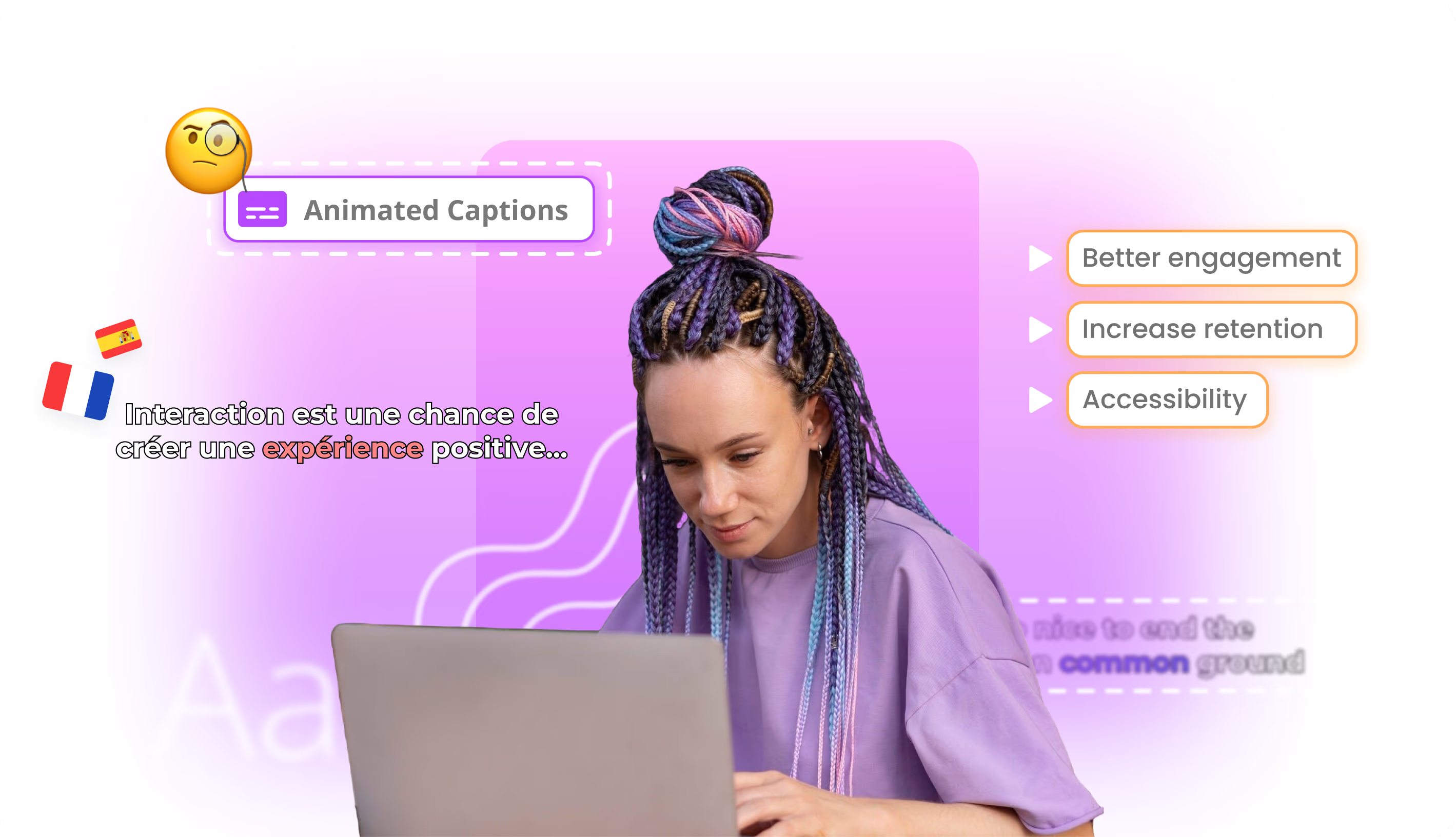
Captions are burned in automatically, word by word, in your brand style. Most short-form viewing happens on mute, so a short with no captions is a short most people scroll past — see word-by-word animated captions for the styling options.
Shorts in more than one language
Translation on short-form usually means subtitles, which is the cheap version. Braiv will translate the captions, but it will also dub the audio in a voice matched to the original and re-sync the mouth movement, so the dubbed cut reads as a native upload rather than a localized one.
Because the cut is reused, adding a market costs a fraction of producing the short in the first place. One webinar can feed an English, Spanish, and German feed off the same approved batch — more detail on Braiv Dubbing.
Where this sits in Braiv Shorts
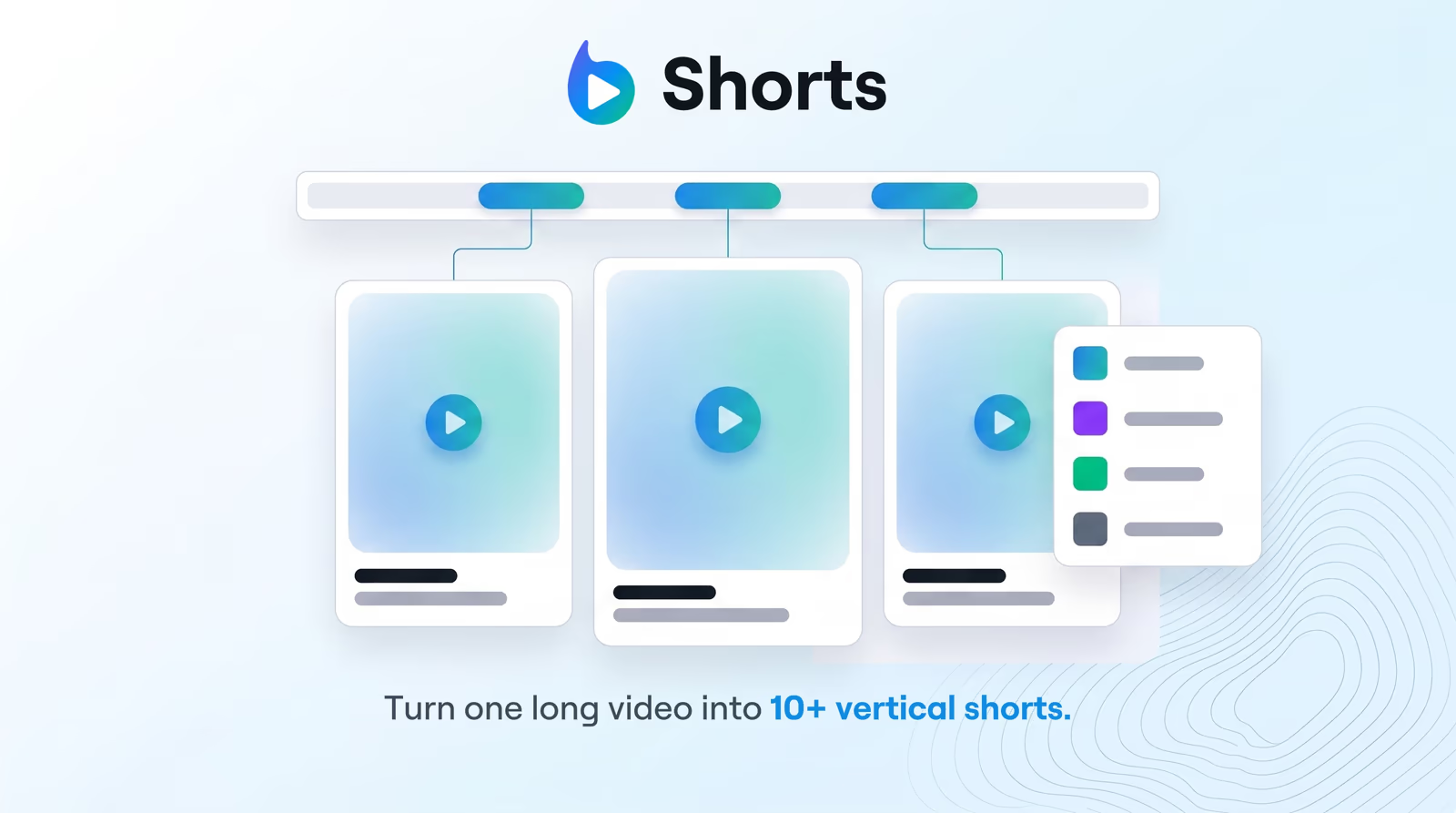
This is the highlight-detection attribute inside Braiv Shorts. The same product also covers animated captions and multi-channel publish. Shorts generation draws on the shared AI Credit balance — full plan detail on pricing.