
Why subtitles-only localization is the cheap version
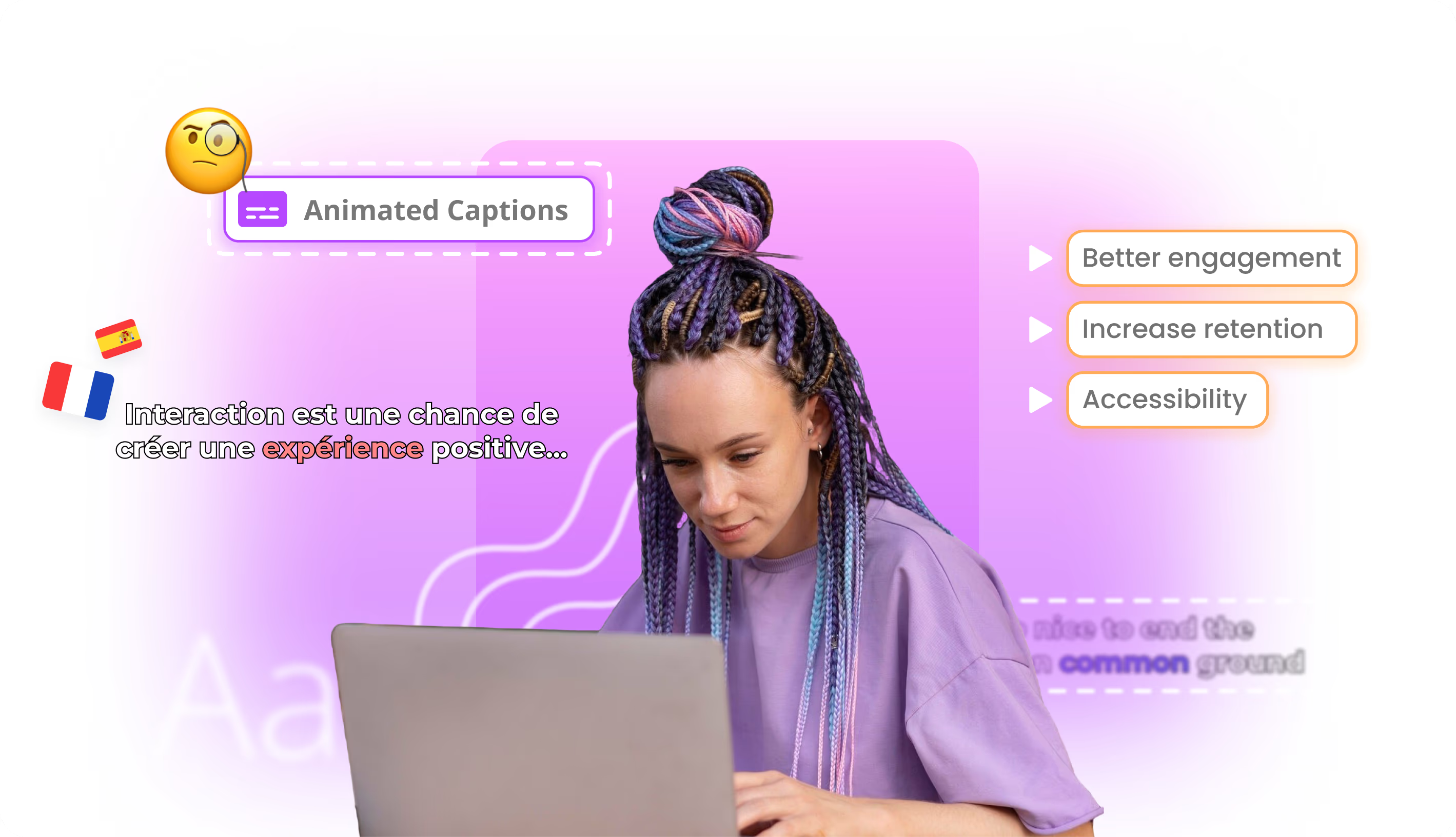
Most “global caption” workflows stop at a translated SRT: dump foreign-language text into a static block and ship it. That reaches more markets on paper. It is the wrong shape for mute social feeds and branded libraries where the original English cut already depends on karaoke motion to hold attention.
The bottleneck is not vocabulary. It is whether the localized burn-in still works — timed, animated, and on-brand — without asking an editor to rebuild the file per language.
Translate the words, keep the motion
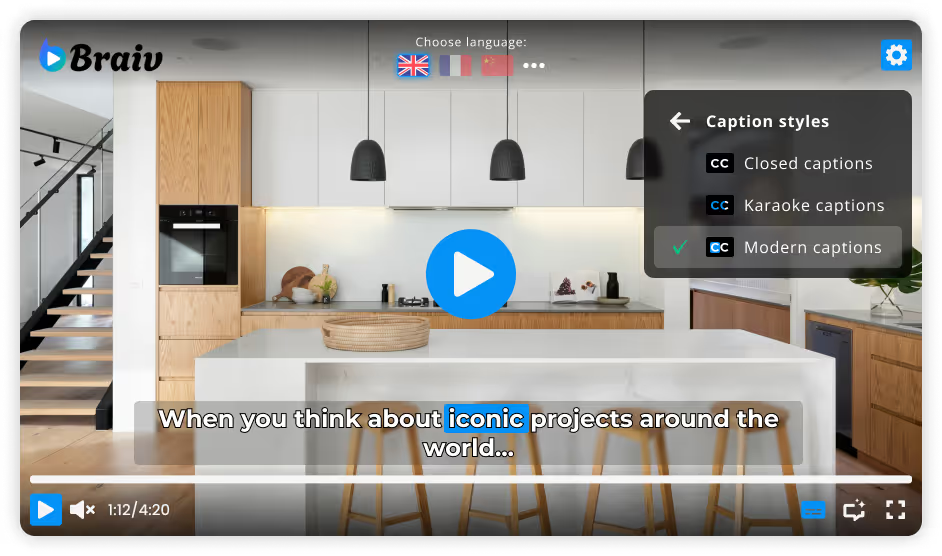
Braiv localizes caption text into 80+ languages while preserving timing and karaoke animation. Word-by-word highlighting survives translation, so a Spanish or German viewer still gets the same reading guide as the English original — not a static paragraph at the bottom of the frame.
The practical difference is reuse. One approved edit feeds every market’s captions. You review brand terms once, then ship — instead of re-timing highlights by hand for each language.
Edge cases that break naive translation
Literal translation often breaks timing: a phrase that fits three beats in English needs five in German, or a brand name gets “helpfully” rewritten. Braiv keeps motion intact and lets your team lock terminology before publish, so product names and technical vocabulary stay consistent across markets.
Pair translated captions with dubbed audio when you want a fully localized upload rather than a subtitled one — more detail on Braiv Dubbing. Captions alone still matter for mute viewing and accessibility even when the audio is localized.
Where this sits in Braiv Captions
This is the localization attribute inside Braiv Captions. The same product also covers word-by-word animated captions and on-brand caption styles. Translation draws on the shared AI Credit balance — full plan detail on pricing.