Most AI dubbing tools stop at a voice track. The real job for creators, L&D, and marketing teams is getting a video into every market — with the same speaker identity, an editable script, and a path to publish — without agencies or re-records.
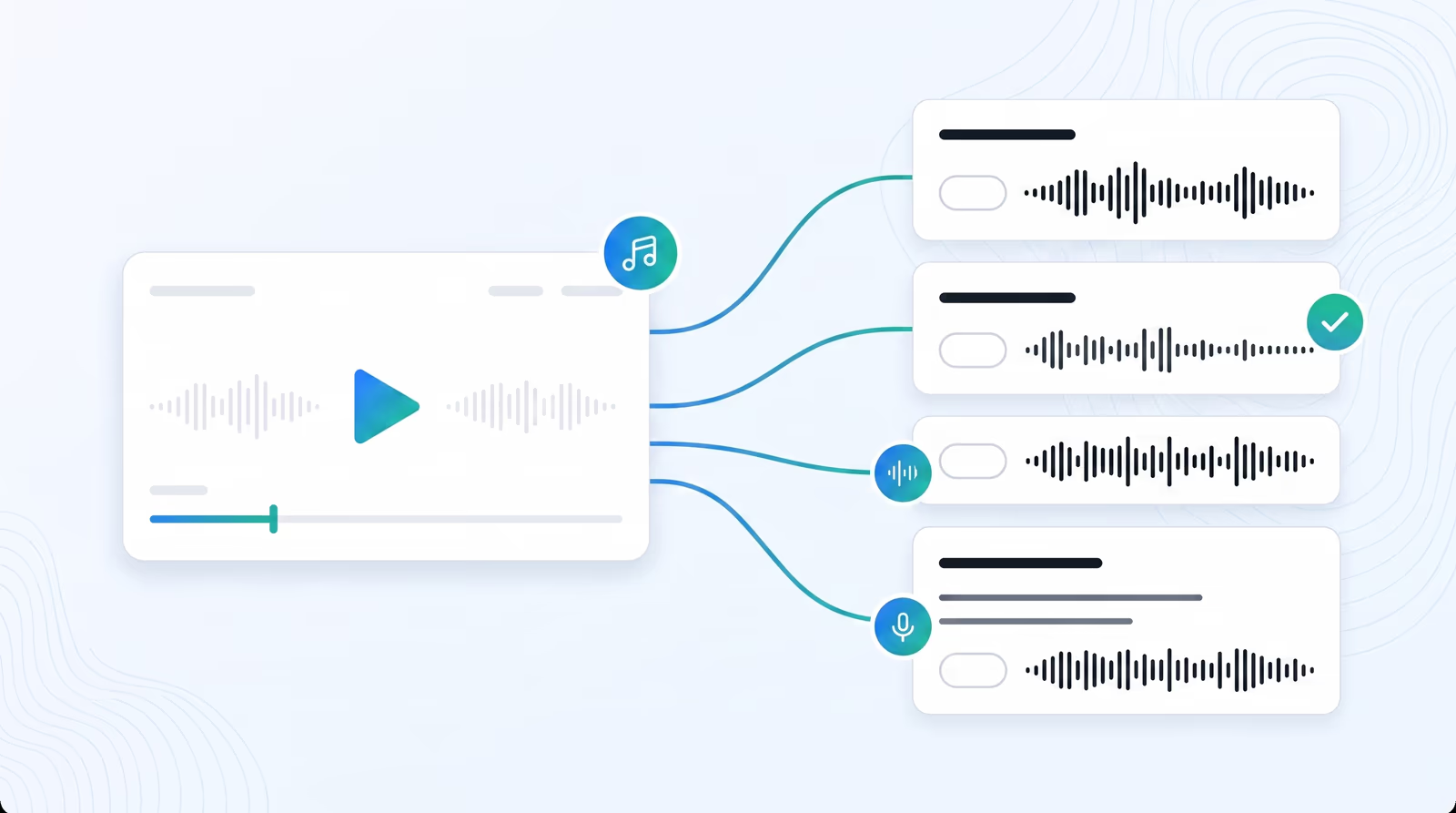
Braiv Dubbing is built for that pipeline: translate, clone the voice, optionally lip-sync, then package and ship.
Clone the voice, not a stock narrator
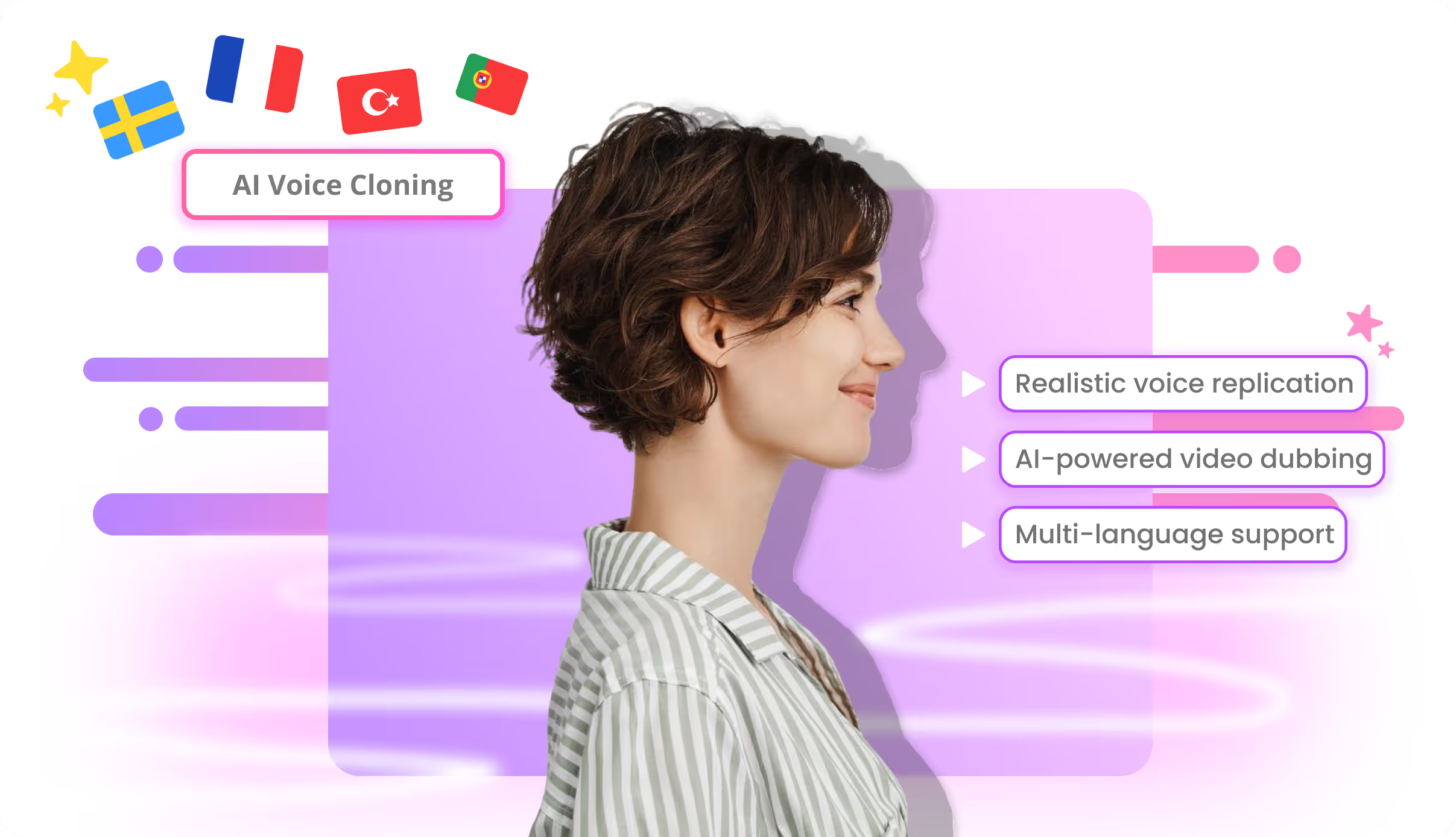
Voice cloning is in the dubbing workflow, not a separate product. Braiv carries tone, pacing, and style into 80+ languages so a Spanish or Japanese version still sounds like the original presenter. Teams review and edit the transcript before render, which matters when product names, compliance language, or brand terms have to land exactly right.
Browser-based, catalog-ready
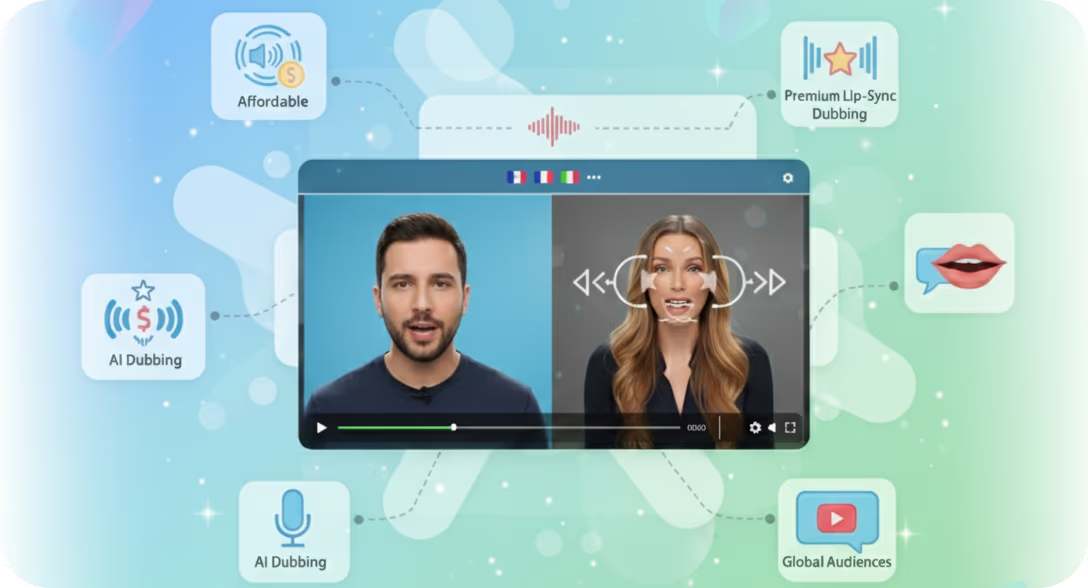
Upload an MP4 or paste a YouTube URL. Transcription, translation, synthesis, and mixing run in the cloud — no desktop install, no export-stitch-import loop. Optional AI lip sync is there when on-camera immersion matters; skip it when speed and cost matter more. Either way, the picture stays the source you uploaded.
One subscription through publish
A dubbed file still needs captions, localized thumbnails, and SEO metadata before it earns views. The same Braiv subscription covers those stages and native publishing to connected channels, so localization is not four tools and four invoices. Support content runs on this same engine too: Braiv Capture uses Braiv Dubbing to localize product walkthroughs, cloning either the original recording or a cleaned Braiv Speech voiceover. If you are comparing voice-first or avatar-first stacks, see the ElevenLabs alternative and HeyGen alternative pages, and pricing for credit detail.