HeyGen set a high bar for AI avatar video. If your job is generating a synthetic presenter who never sat in front of a camera, it is often the right tool.
That is a different problem from localizing a channel that already has real footage. Creators and localization teams who search for a HeyGen alternative usually want voice cloning, translation, and lip-sync on organic video — then a path to publish — not another avatar studio.
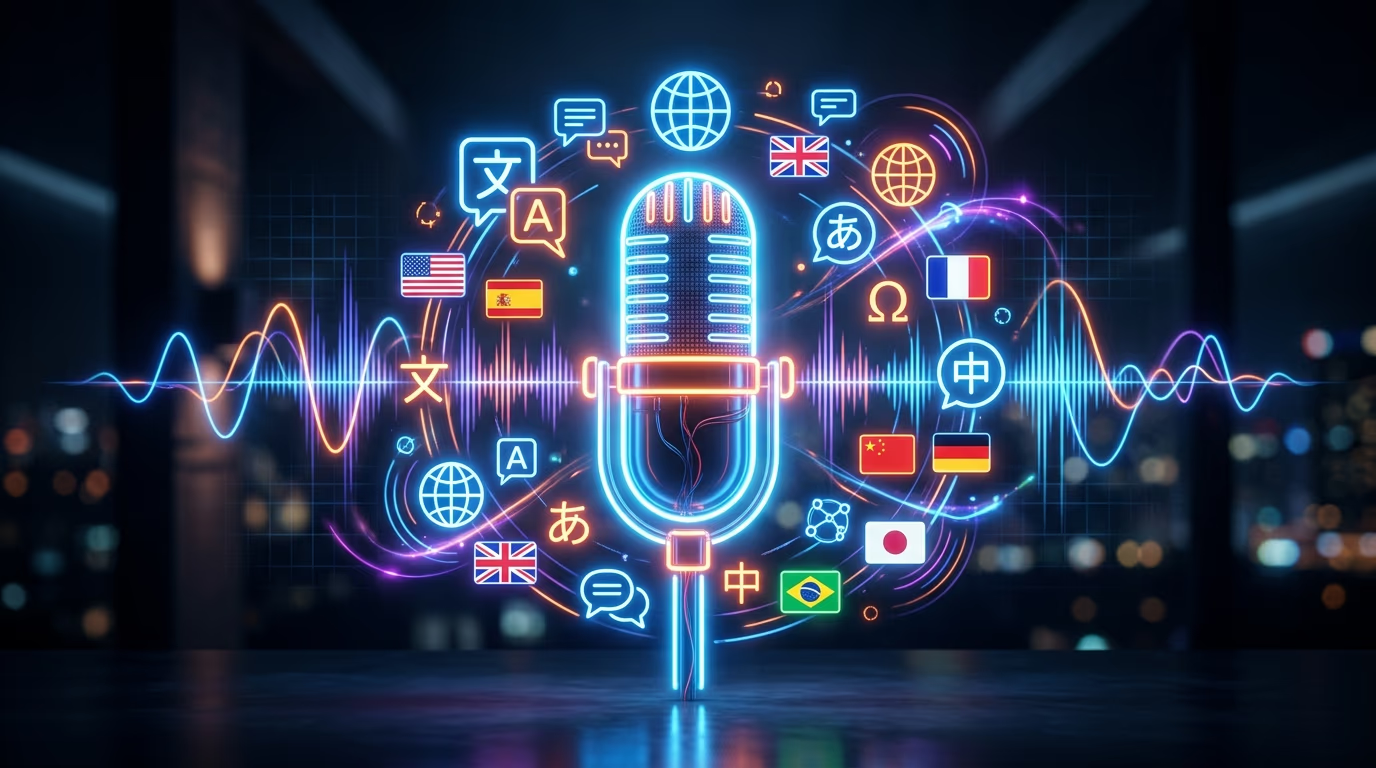
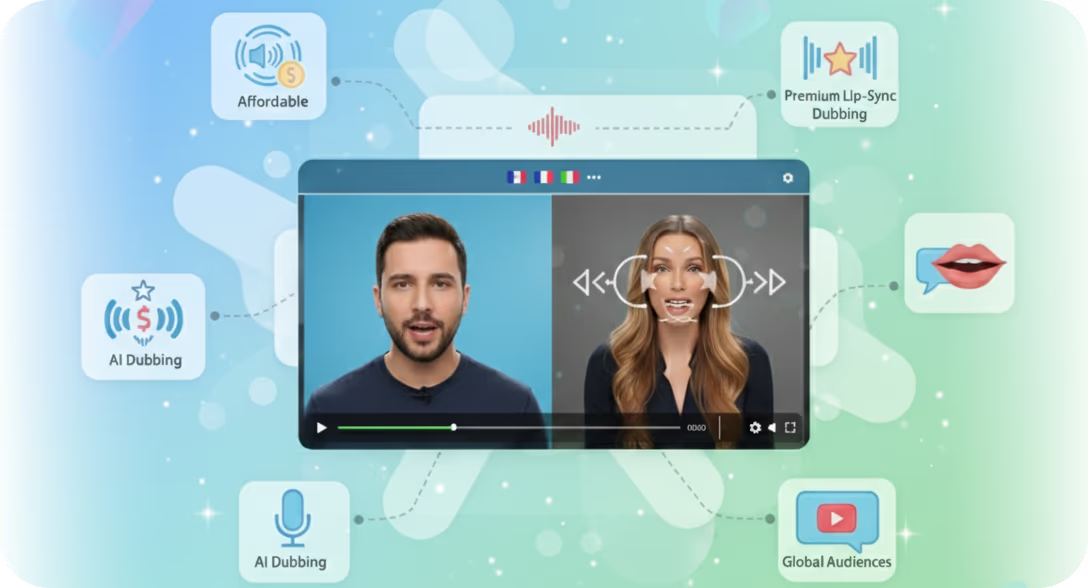
Braiv Dubbing is built for that second job. Paste a YouTube link or upload a file, pick target languages, and get a dubbed cut that keeps your face and voice identity while aligning lips for the new audio.
What a month of output looks like
On the Business plan:
- Dubbing on our Business plan
- 100 hours of managed video, videos up to 120 minutes
- 5,400 AI credits, with rollover to 16,200
- Unlimited channel connections
- Plus 540 shorts generations and 270 thumbnail generations on the same plan
Pro covers 10 hours of managed video and 10 channels; Starter covers 4 hours and 3 channels. Start with a free trial to judge voice quality. Full detail on pricing.
Avatars vs real localization
Comparing the two products as if they do the same thing leads to bad buying decisions. HeyGen is stronger when the on-screen talent is generated. Braiv is stronger when the talent already exists on camera and the work is translation, cloning, lip-sync, and distribution.
If you need both, run both. If you only need one, pick based on whether the face on screen is synthetic or yours.
Publishing is part of the dub
Downloading a localized master and re-uploading to every market channel is where localization projects stall. Braiv connects those channels so a finished dub can schedule and publish from the same workspace — alongside shorts and thumbnails on the same subscription.
Use both, honestly
Avatar campaigns in HeyGen and organic multi-language publishing in Braiv is a common split. If you are consolidating around real creator video, start with Braiv Dubbing.