
Coverage is useless without quality
A language list of hundreds means little if half the locales sound like demo-ware. Braiv Speech treats “supported” as a quality gate: 80+ languages ship when they are ready for production voiceovers, with more arriving as evaluations clear.
That is the practical stance for teams who would rather publish in forty strong markets than dabble in four hundred weak ones.
Script in, voiceover out
Multilingual TTS is a Speech job. Paste or import a script, choose a cloned or designed voice, and generate narration in the language you need.
That is not AI video dubbing. Dubbing starts from footage — transcript, translation, timed audio, optional lip sync. If you already have a talking-head video to localize, use Braiv Dubbing. If you have words that need a voice, stay in Braiv Speech.
Same speaker, new market
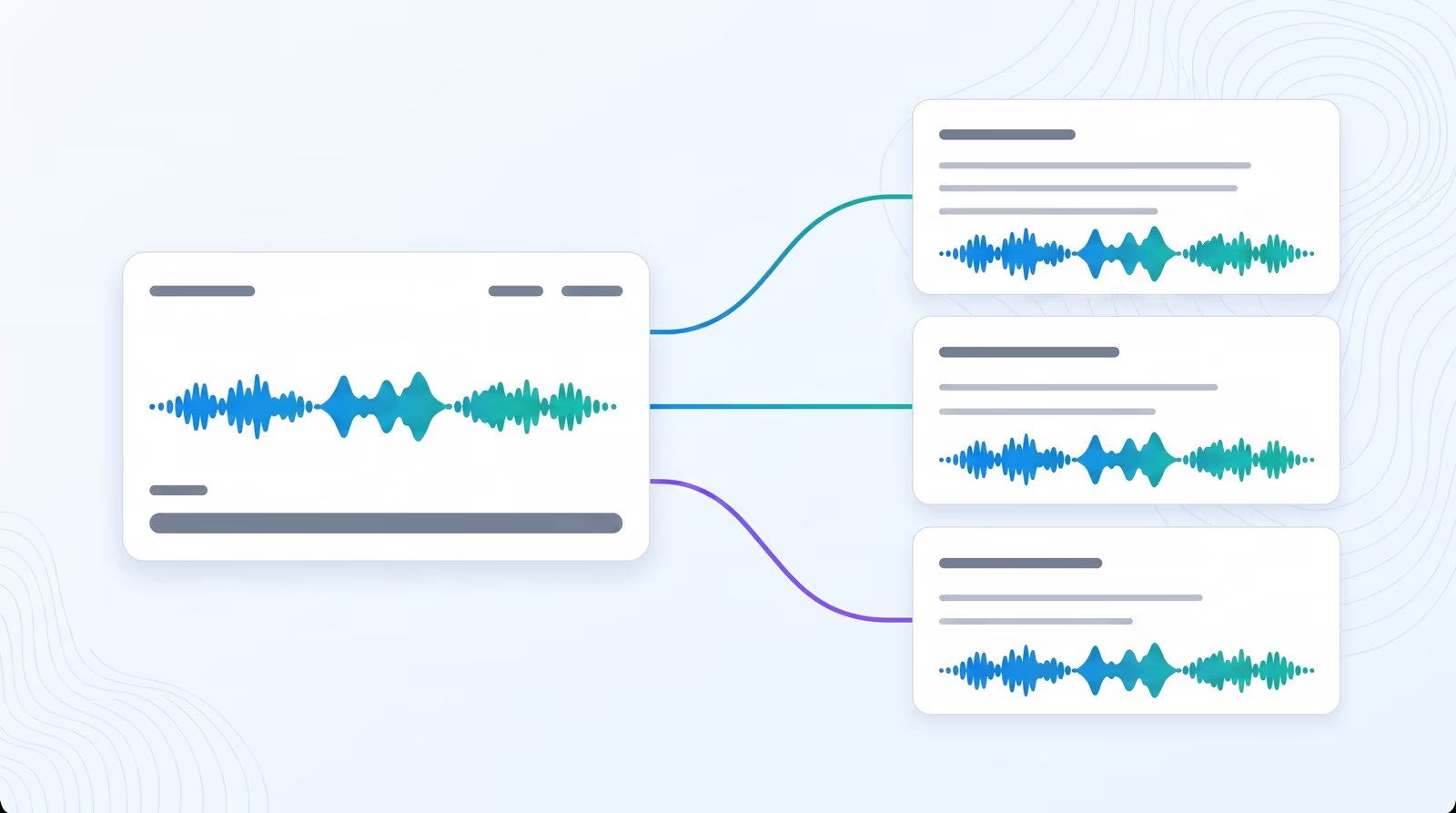
The leverage is identity plus coverage. One clone or designed persona can narrate English training modules and Spanish ads without sounding like two different vendors won two different RFPs.
Cross-lingual generation keeps the character of the voice while following the phonetics of the target language — so “global” does not mean “generic.”
Built for the volume teams actually run
Marketing calendars and L&D libraries do not need one perfect read; they need reliable multilingual output every week. Preview short, iterate on wording, then render long — billed from the shared AI Credit balance instead of a per-language invoice.
When those voiceovers later need to sit on filmed content with captions and publish, the same Braiv account already covers the packaging path.
Where this sits in Braiv Speech
This is the language-coverage attribute inside Braiv Speech, together with expressive voice cloning and AI voice design. For localizing existing video rather than generating narration, go to Braiv Dubbing. Credits and plan limits are on pricing.