
Why a blank prompt is the wrong starting point
Most “AI title generators” ask you to type a topic and hope the model invents something catchy. That is fine for brainstorming. It is the wrong default when the video already exists and the title still needs to match what was actually said — or YouTube viewers bounce in the first five seconds.
The bottleneck is not cleverness. It is alignment: a high-CTR title that still describes the cut, ranks for real topics, and does not read like spam.
Transcript-grounded titles versus niche guessing
Braiv builds title options from the transcript. Hooks, numbers, and keyword clusters come from the dialogue itself, then get shaped into curiosity gaps, educational frames, or instructional structures that stay readable.
The practical difference is trust under speed. Instead of prompting until something feels right, you shortlist options that were generated from the source material — then edit brand language before publish. When the same recording becomes shorts, each segment can get its own title instead of inheriting a mismatched parent line.
CTR without burning the brand
Aggressive clickbait wins a click and loses the viewer. Braiv’s options are built to stand out in search and recommended feeds without sounding unnatural — and your team can reject or rewrite anything that does not match brand tone. Pair titles with full descriptions and chapters so packaging is coherent end to end.
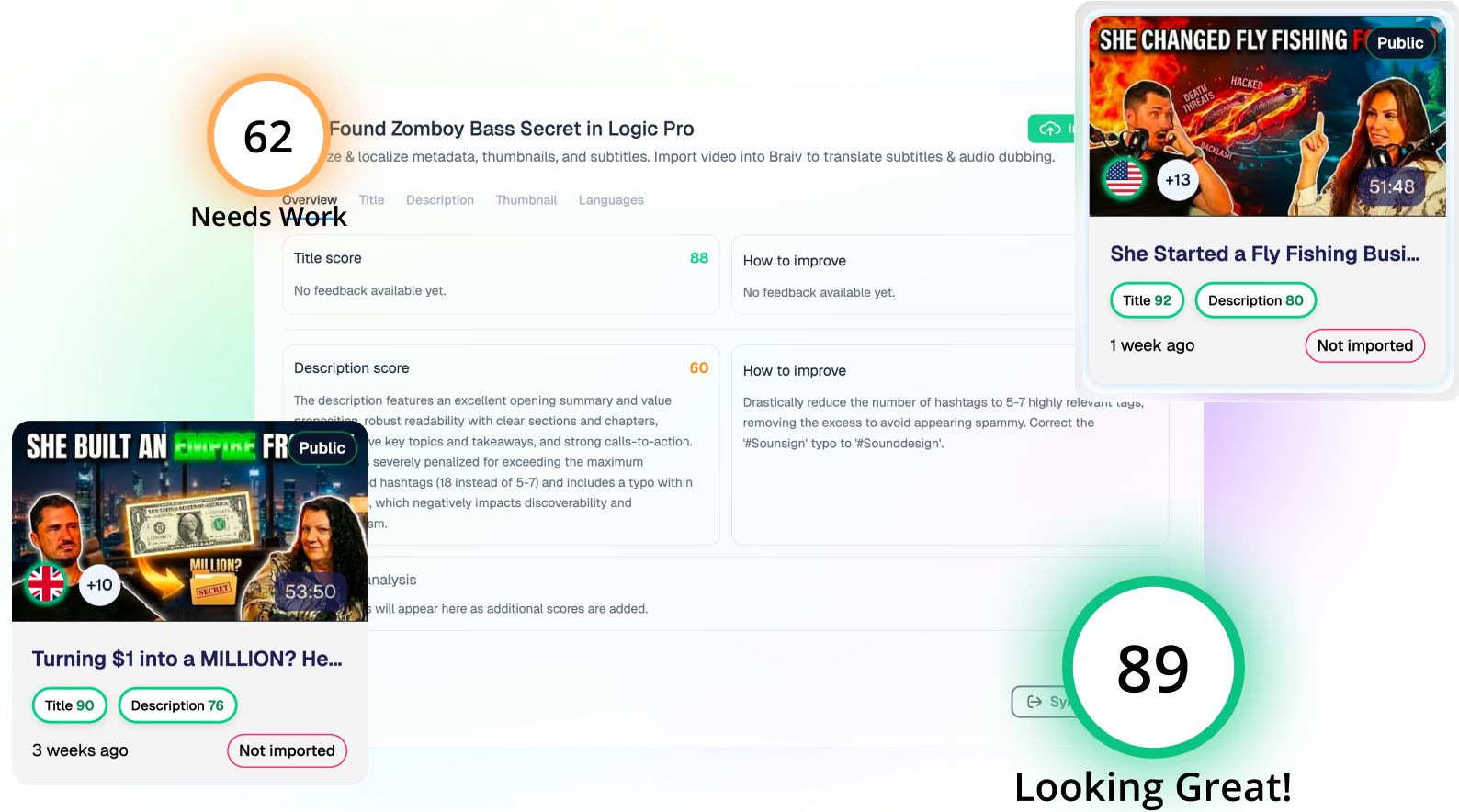
For videos already live with weak packaging, jump to optimize existing YouTube videos instead of re-uploading.
Where this sits in Braiv Connect
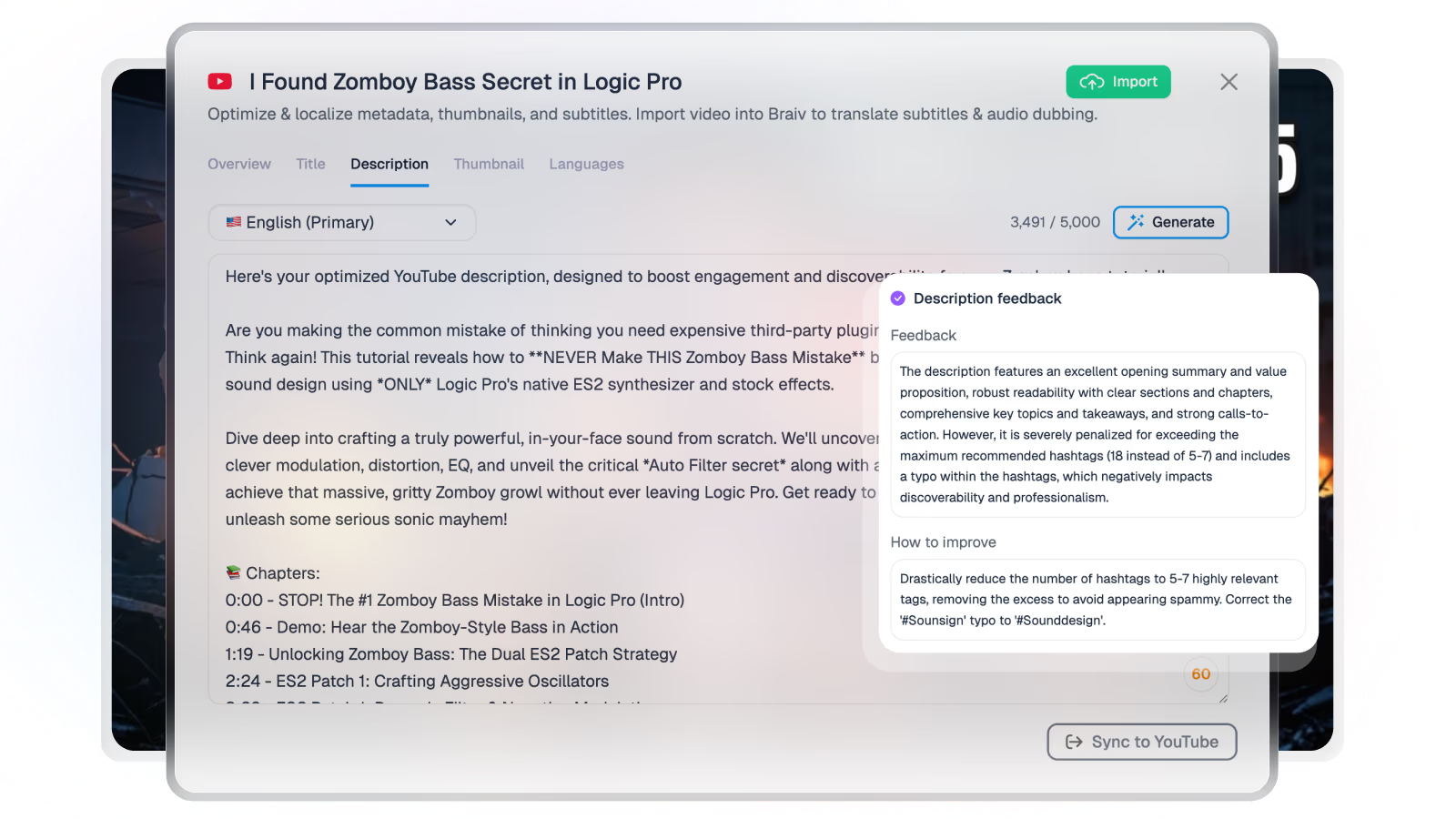
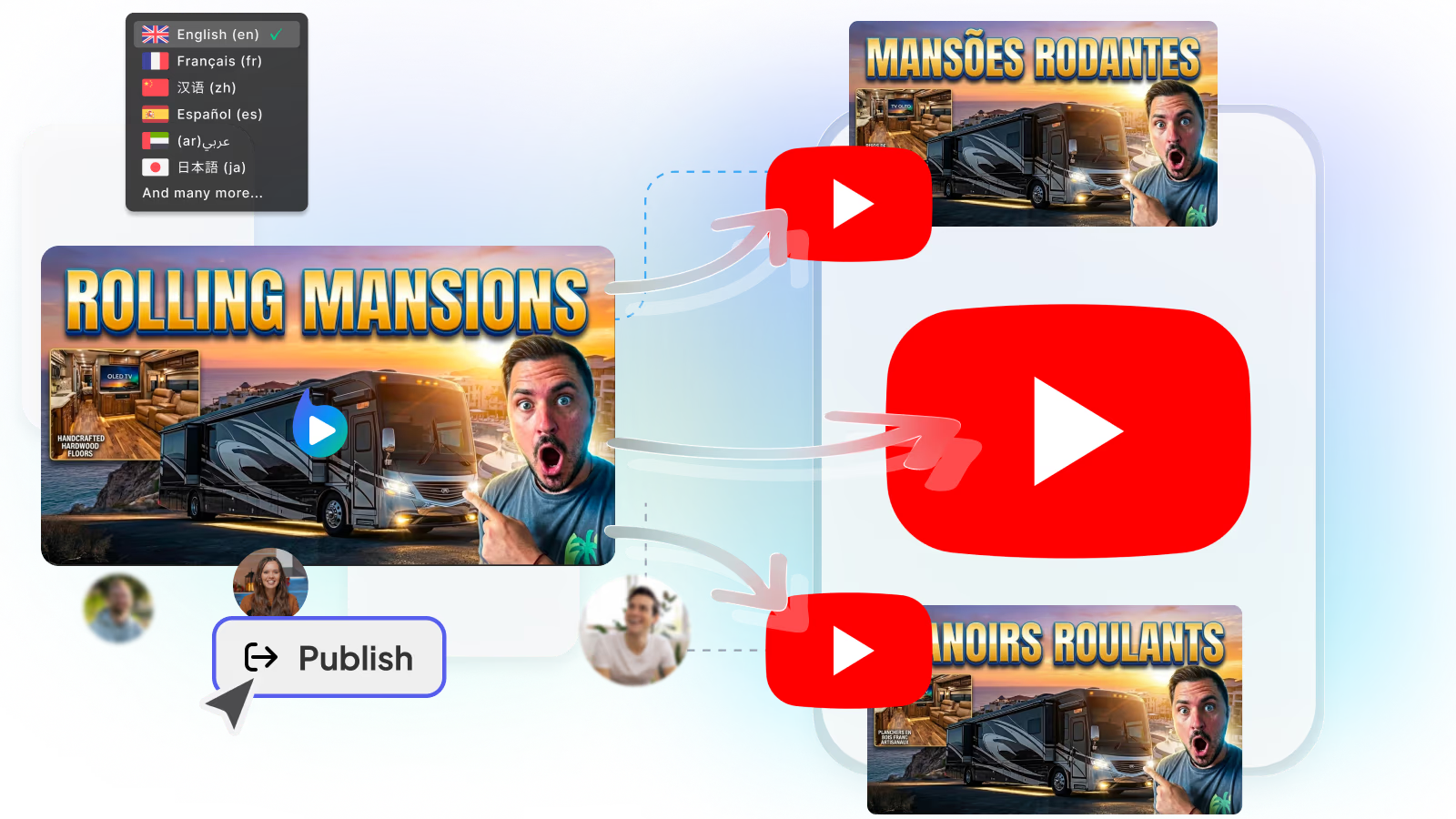
This is the high-CTR title attribute inside Braiv Connect. The same product also covers title and description generation, backlog optimization, and auto-publish to multiple channels. Generation draws on the shared AI Credit balance — full plan detail on pricing.