
When invention is the wrong answer
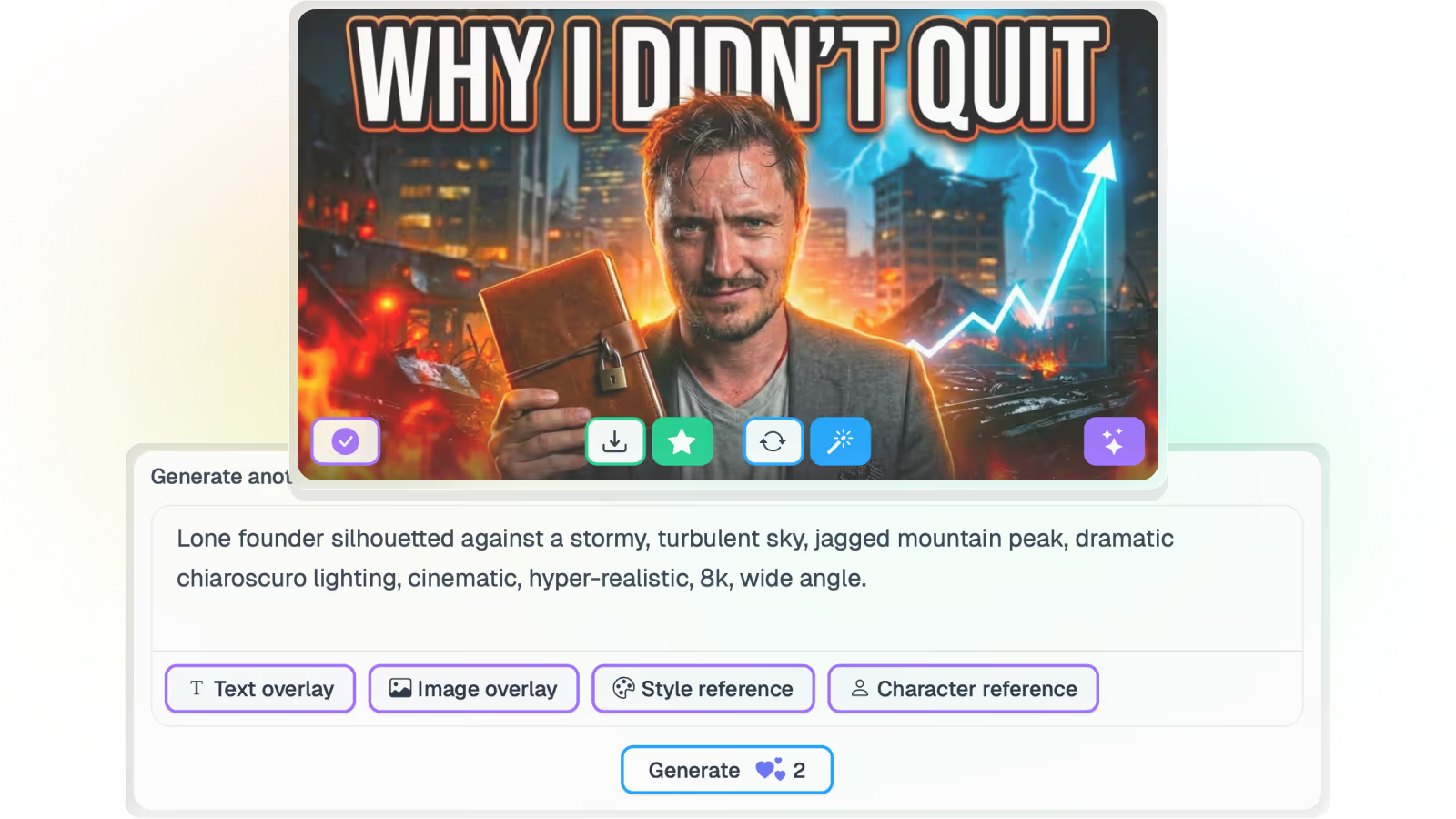
AI thumbnail tools are optimised to invent. For a lot of channels that is exactly right — a stylised, impossible, maximally clickable image is the job.
For plenty of others it is disqualifying. A news channel cannot run a composed scene that never happened. An education channel loses trust the moment the thumbnail shows a lab it does not have. Interview and documentary formats live or die on the viewer believing the moment is real. And a growing number of creators simply do not want a generated version of their own face on their channel.
Precision exists for that whole category. It is not a lower-quality mode — it is a different promise about where the picture comes from.
Real frames as the picture
In Precision, Braiv scans the video for the moments that carry it — the reaction, the reveal, the point where the argument lands — and proposes those frames as plates. You can take what it found, or hand it the frames you already know are the ones.
Up to two plates can be composed into a single thumbnail, which covers the common shapes: a before and after, a subject and the thing being discussed, a face and a reaction.
Because the source is your footage, the thumbnail keeps a promise. Whatever made someone click is genuinely in the video, which is the half of click-through that retention actually cares about.
Character generation is off, not dialled down
Switching into Precision clears character generation completely. This is a hard constraint rather than a preference, and it is deliberate — a mode that usually does not invent people is not one you can hand to a compliance-sensitive team.
Nobody appears in the thumbnail who was not in the video.
Your headline, or none
Creative will write you a line. Precision assumes you may have views about that.
Type the headline yourself and it is used as written — useful when the wording is legally, editorially or factually load-bearing. Or switch overlay text off entirely and ship a clean frame. For a strong visual moment, and for channels whose audience has learned to distrust big yellow text, no text is frequently the better performer.
Brand still applies — as grammar, not as content
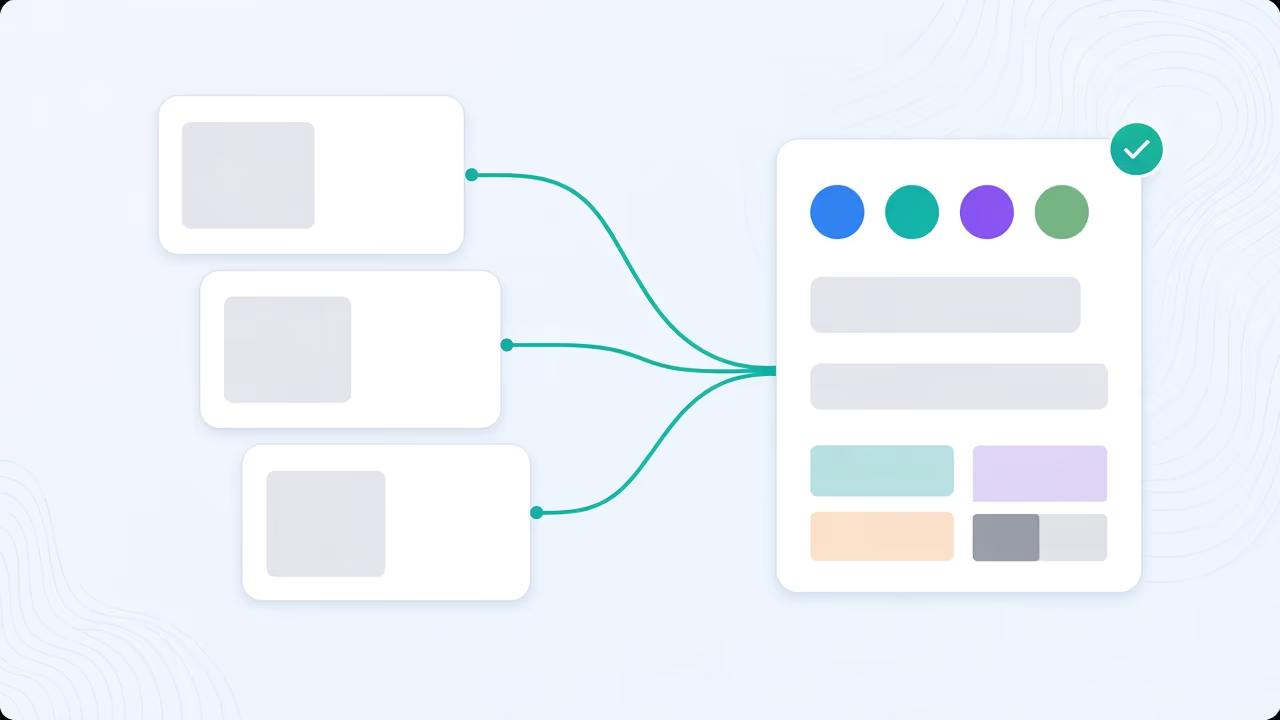
Precision does not mean unstyled. A brand guideline kit still governs palette, type weight and required chrome, and a style reference still supplies layout grammar.
The split is clean: references control how it is treated, your footage controls what is shown. That is what lets a documentary channel look designed without looking fabricated.
Score it the same way
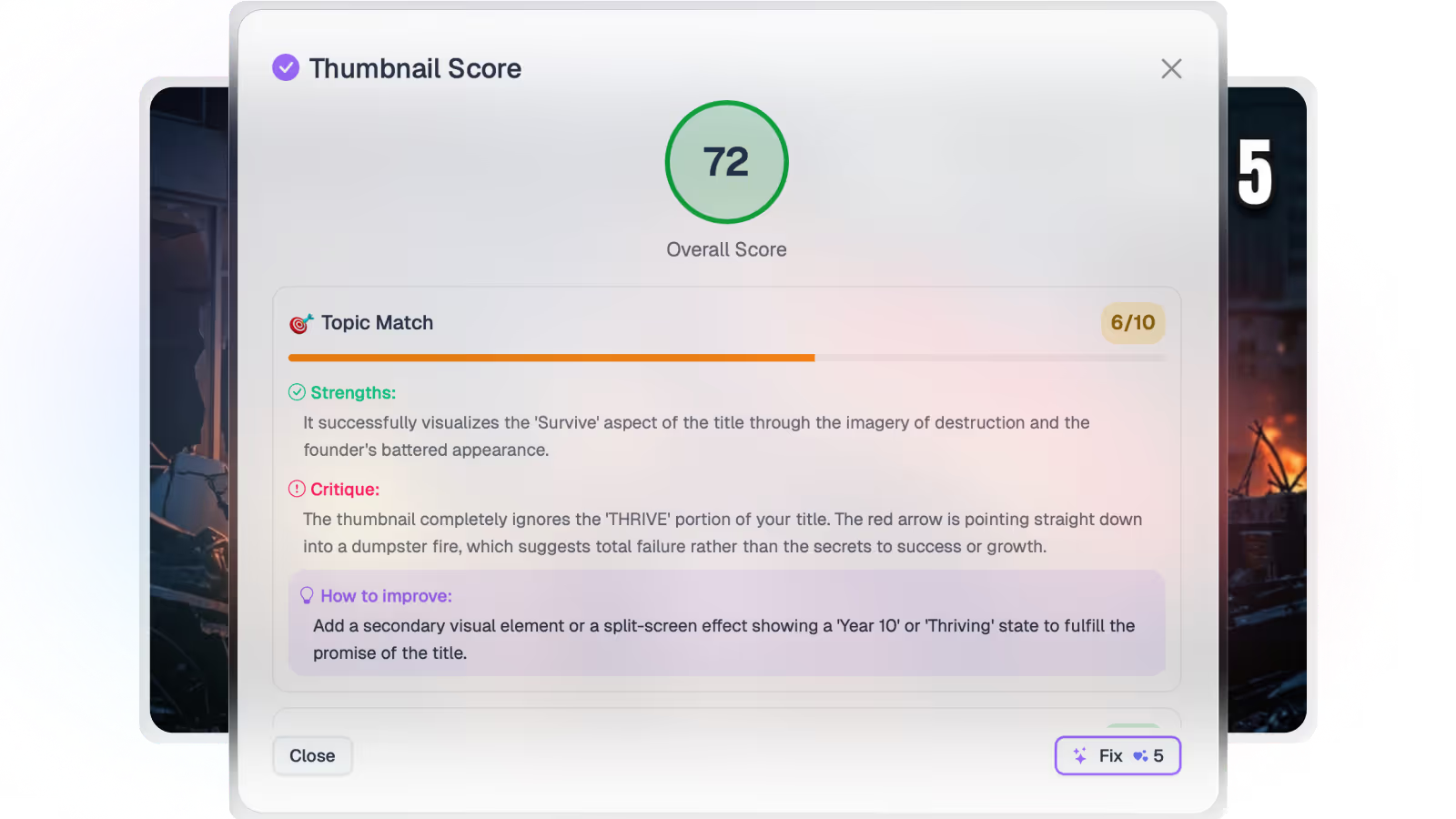
Precision output goes through the same checks as anything else. Every option is scored for composition, legibility at feed size and title match, weak options can be fixed in one click, and overlay text can be translated for other markets before publishing to a connected channel.
Where this sits in Braiv Thumbnails
Precision is a mode of the generator inside Braiv Thumbnails, not a separate product. The AI thumbnail generator covers Creative and the zero-prompt pipeline; Precision is the setting you switch to when the footage has to be real. Both draw on the shared AI Credit balance — see pricing.