
The swipe file problem
Most people who download a YouTube thumbnail are not collecting art. They are collecting evidence — this channel is winning, this cover is why, and I want mine to feel like that.
Then the folder fills up and nothing happens. A swipe file is a reference you cannot act on. The gap between “I saved forty thumbnails I admire” and “my next upload looks like it belongs beside them” is still a designer, a brief, and a week.
A style reference closes that gap. The image you saved becomes the input to the thing that makes yours.
Paste a URL, get the grammar
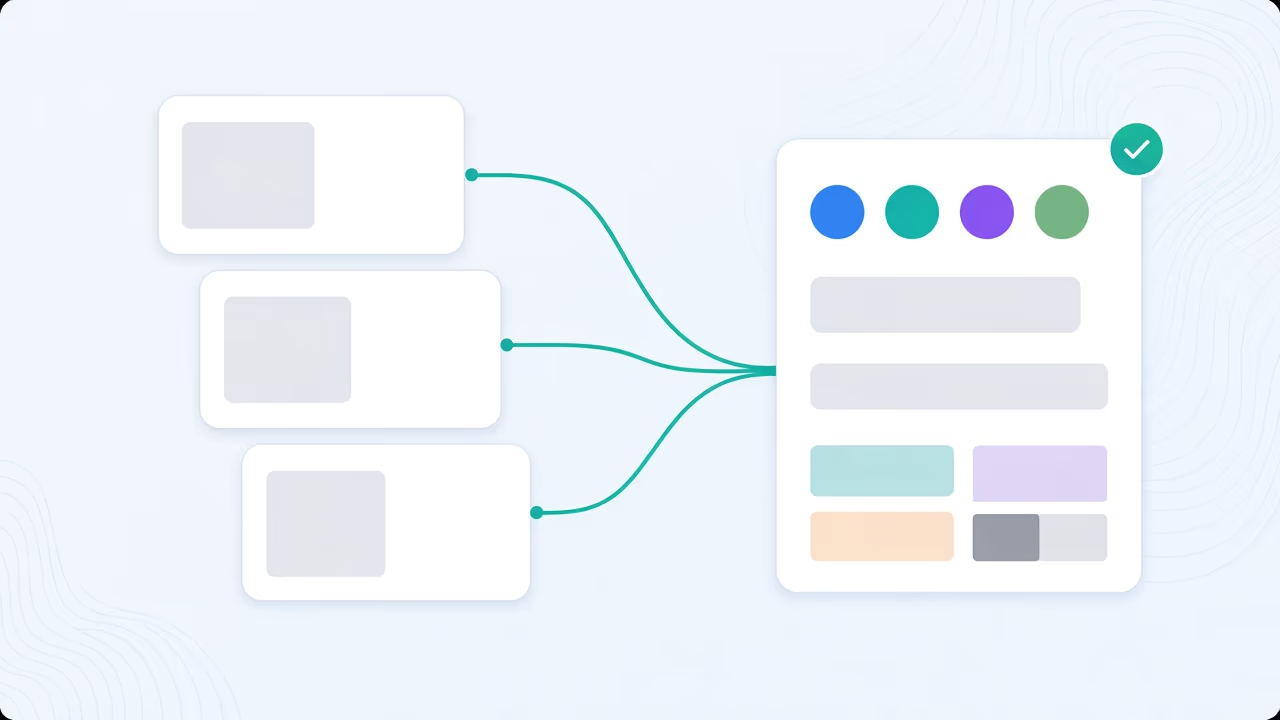
Point Braiv at a YouTube URL and it resolves the video’s thumbnail straight into a style reference slot — no downloading, re-uploading or cropping in between. You can also drop in an image you already saved.
What Braiv reads is the grammar of that thumbnail:
- How the frame is composed — where the subject sits, how much air is around it, what the eye hits first
- How the type behaves — weight, case, outline, how many words it trusts you to read at phone size
- How colour and contrast work — the palette, the separation between subject and background, how it holds against light and dark YouTube chrome
What it does not take is your subject. Your footage, your face, your headline. The result reads as a sibling of the reference, not a copy of it.
Low, Medium, High
Influence decides how literally the reference is applied.
- Low — a nudge. Your existing look leads; the reference informs colour and contrast.
- Medium — a genuine blend. The reference’s layout logic shows through while your identity survives.
- High — full adoption. Use this when you deliberately want to enter a format that is already working in your niche.
Start at Medium. It is the setting that most often produces something you would actually publish.
Style reference or brand reference
They solve opposite problems and Braiv keeps them as separate slots.
A style reference points outward: recreate a look from somewhere else. A brand reference points inward: take this design and remap it onto my identity. Attach one, or both — an outward style with an inward brand lock is how you enter a proven format without your channel losing its face.
When the inward half becomes permanent, promote it into a brand guideline kit so it applies automatically instead of being re-attached every time.
From reference to published
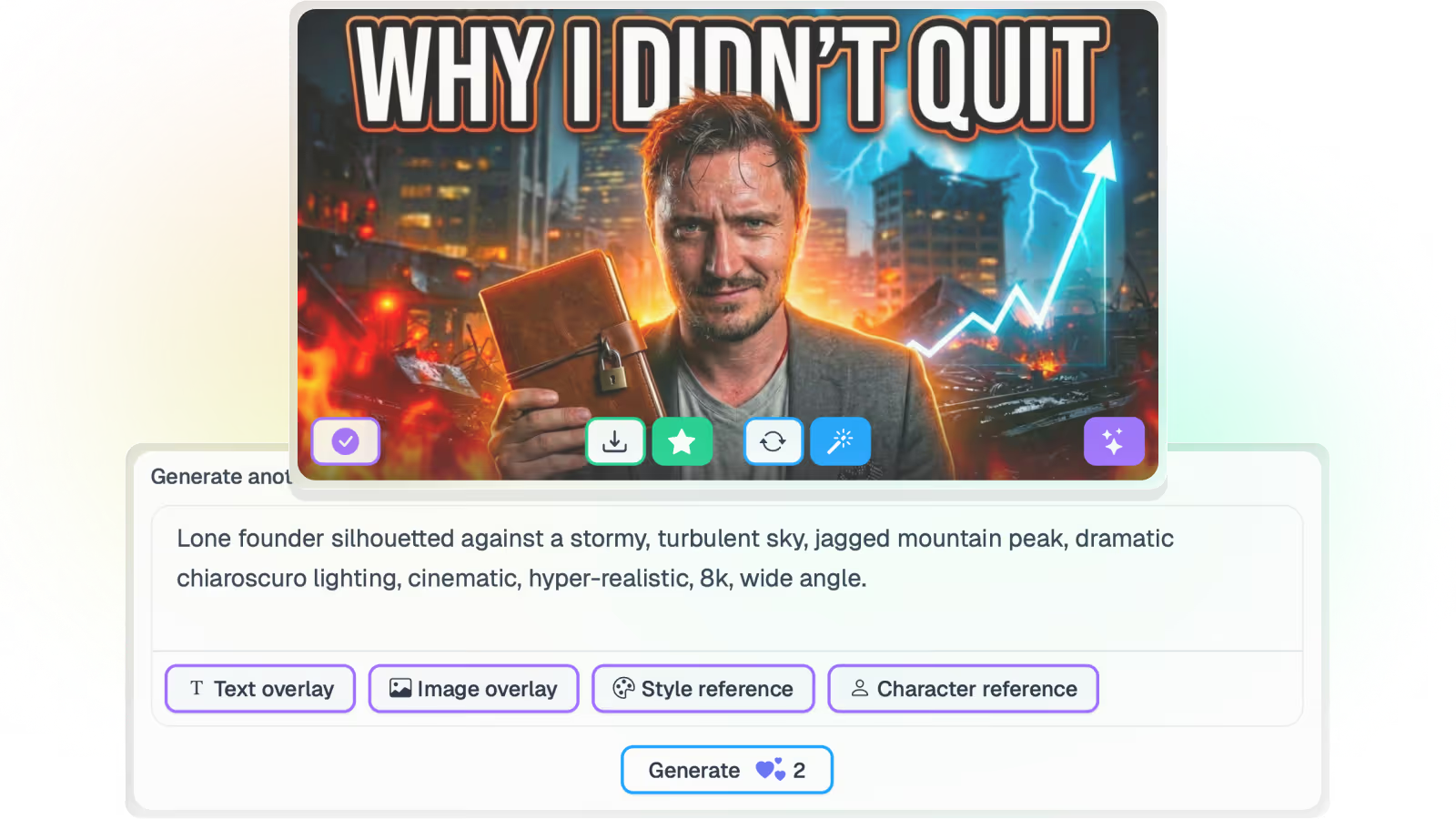
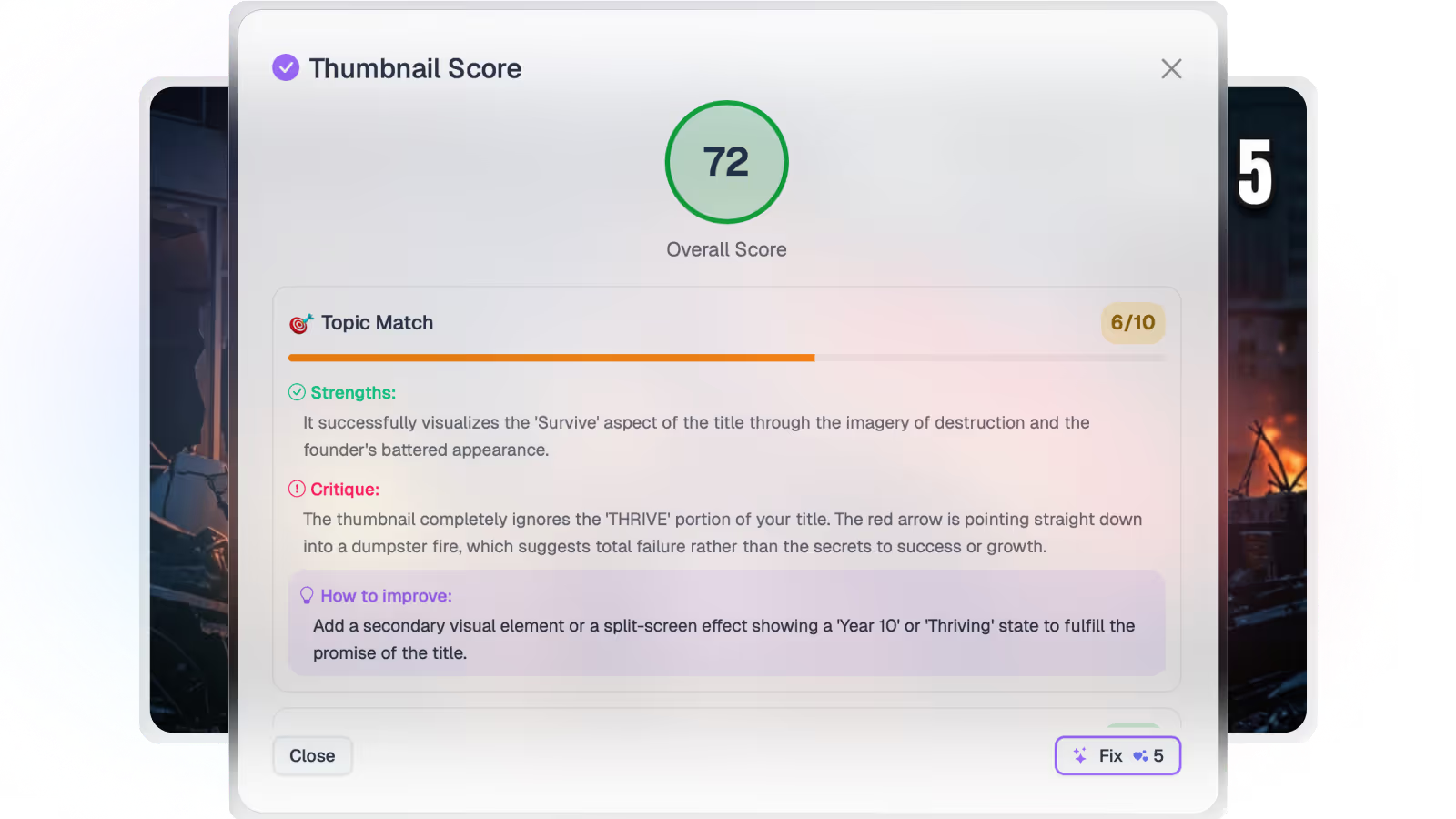
A style reference is one step in a loop, not a one-off image request. Generate options from the reference, score each one for composition, legibility and title match before anything ships, translate the overlay text for the markets you publish in, then push live to a connected channel.
Where this sits in Braiv Thumbnails
This is the style-lock attribute inside Braiv Thumbnails. Generation itself is covered by the AI thumbnail generator, footage-faithful output by Precision, and channel-wide consistency by brand guidelines. References draw on the shared AI Credit balance — full detail on pricing.