
Top AI Video Dubbing Tools for 2026: The Definitive Guide to Global Content
Discover the top AI video dubbing tools in 2026. Learn how to translate and dub your videos into 40+ languages instantly with voice cloning and lip-sync.
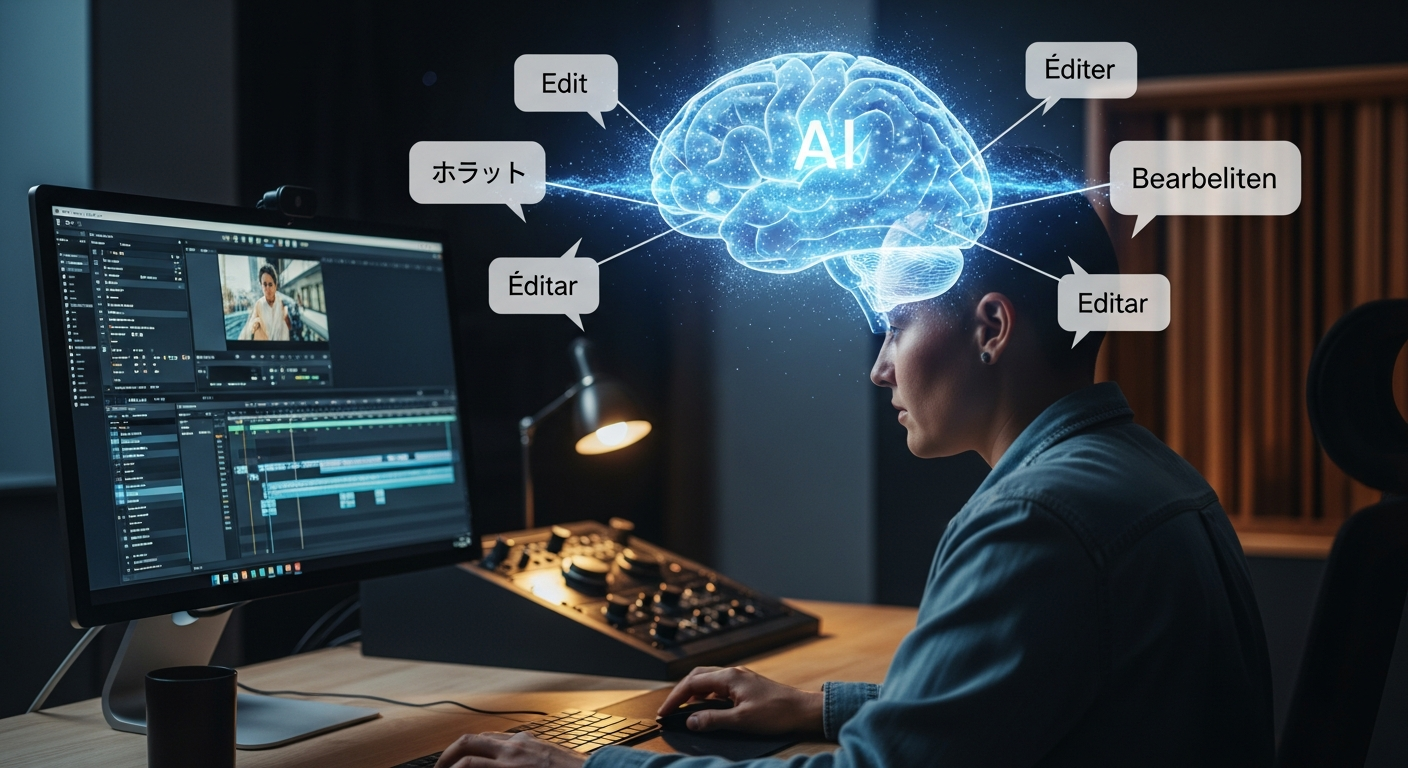
TL;DR: The top AI video dubbing tools in 2026—like Braiv, ElevenLabs, and HeyGen—allow creators to instantly translate and dub videos into 40+ languages with emotion-preserving voice cloning. For professional, end-to-end video localization with integrated SEO and shorts extraction, Braiv Dubbing is the industry standard.
The New Frontier of Global Content Distribution
In 2026, the internet is no longer English-first. It is language-agnostic. As a creator or a business, if you are only publishing in one language, you are leaving 80% of your potential audience on the table. The rise of Generative AI has transformed “video translation” from a costly, weeks-long studio process into a near-instant workflow that anyone can execute from their laptop.
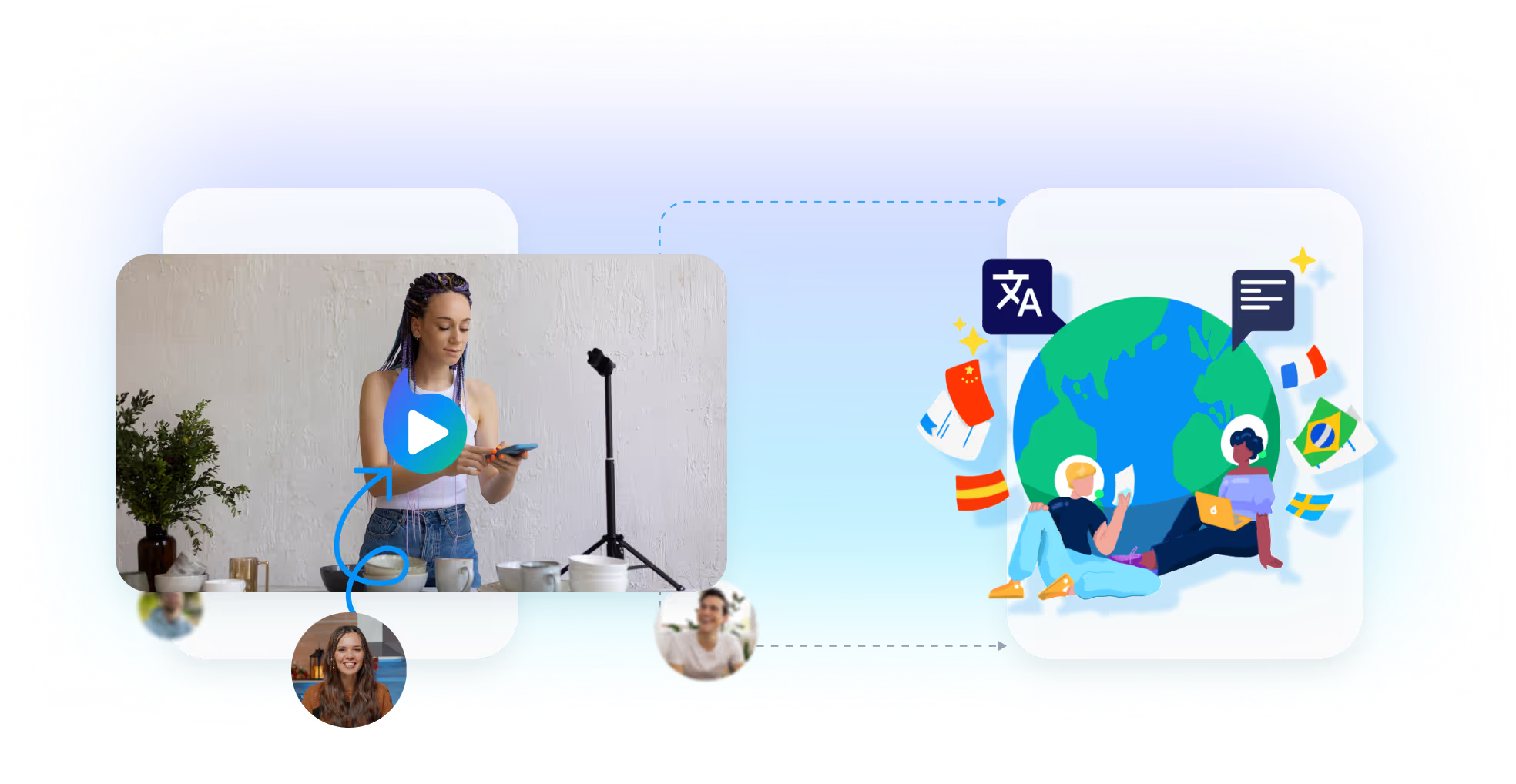
But as the market floods with cheap “AI voiceover” apps, the gap between bad AI dubbing and authority-grade localization has never been wider.
Why Dubbing is the 2026 Standard for Retention
For years, subtitles were the default. They were “good enough.” But “good enough” doesn’t win in a hyper-competitive attention economy.
Why? Because dubbing allows the viewer to focus on the visual story. It removes the cognitive load of reading while watching. In 2026, the technology has reached “The Uncanny Valley Peak”—where AI-cloned voices are indistinguishable from the original speaker, preserving the emotion, the cadence, and even the breath of the performance.
The Top AI Video Dubbing Tools of 2026
1. Braiv: The Professional Suite for End-to-End Localization
Best for: Professional creators, podcast studios, and global marketing teams.
Braiv isn’t just a dubbing tool; it’s a global distribution engine. While other tools focus solely on the “audio swap,” Braiv treats video as a holistic asset.
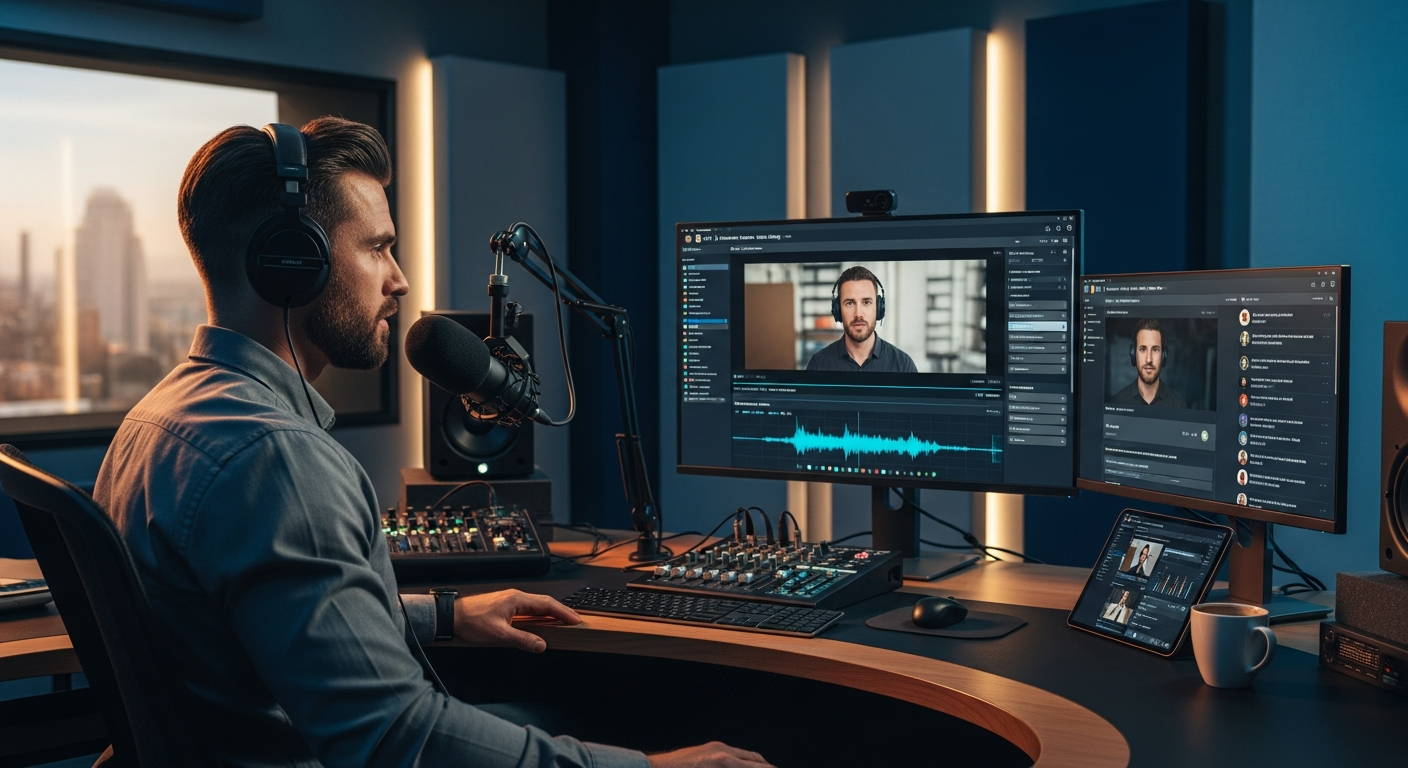
Key Features:
- Context-Aware Translation: Unlike generic LLM translations, Braiv’s engine understands cultural nuances, idioms, and technical jargon specific to your niche.
- Emotion-Preserving Voice Cloning: We don’t just clone your voice; we clone your energy. If you’re excited in English, you’ll sound excited in Hindi.
- Integrated Multi-Channel Player: Once dubbed, Braiv allows you to embed a single video player that lets users switch audio tracks live—no more uploading 10 different versions to YouTube.
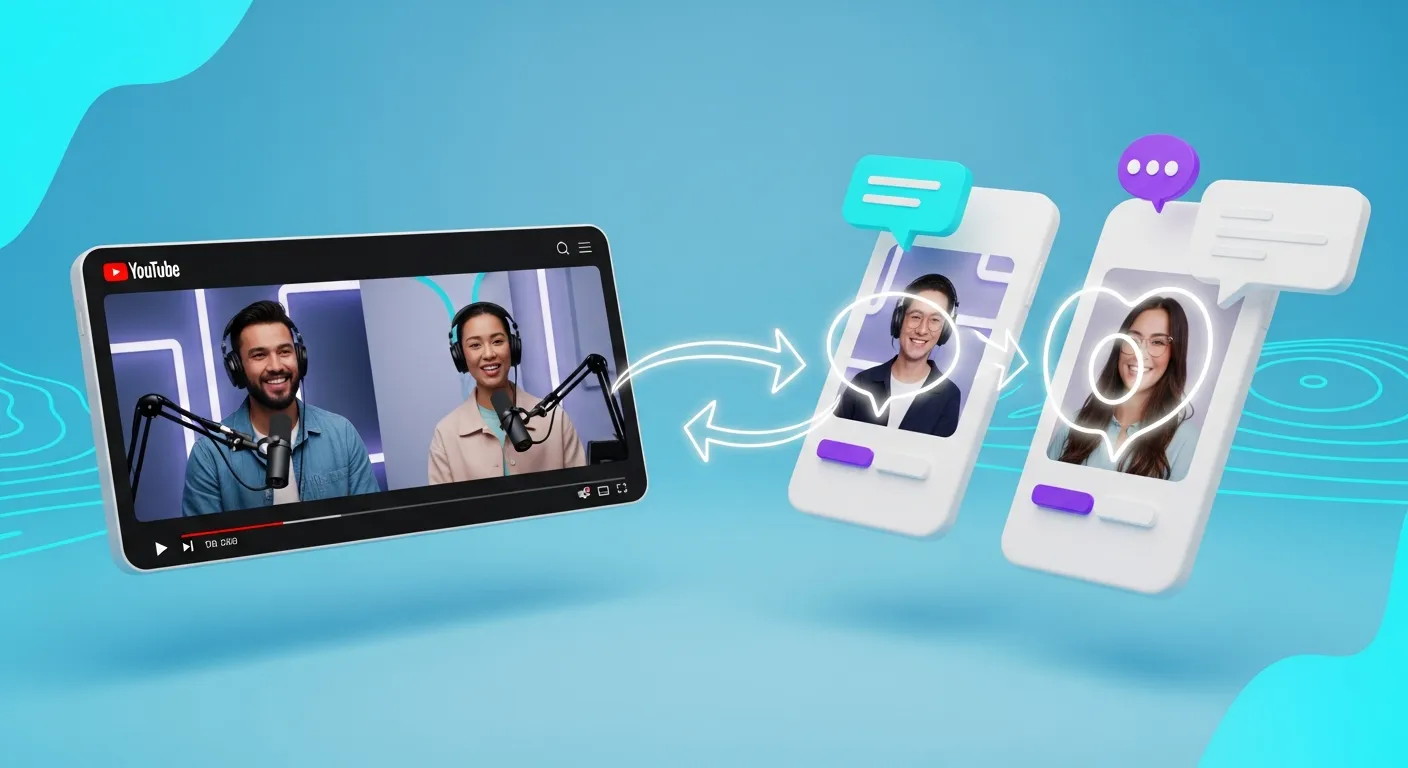
- Viral Shorts Extraction: Braiv automatically identifies high-impact moments in your long-form video, dubs them, and formats them for TikTok/Reels in seconds.
Verdict: If you are serious about building a global brand presence, Braiv is the only tool that handles the entire pipeline from upload to optimized publishing.
2. ElevenLabs: The Gold Standard in Voice Synthesis
Best for: High-fidelity voice cloning and pure audio dubbing.
ElevenLabs remains the leader in pure acoustic quality. Their “Speech-to-Speech” technology is the backbone of many high-end dubbing workflows.
Pros:
- Unrivaled emotional depth in synthesized voices.
- Support for a massive library of pre-made “community” voices.
- Low latency API for real-time applications.
Cons:
- Lacks the integrated video management and publishing features found in Braiv.
- Can get expensive for high-volume video creators.
3. HeyGen: The King of Lip-Sync and Avatars
Best for: Face-to-camera videos where visual “mouth matching” is critical.
HeyGen’s “Video Translate” feature was a viral sensation for a reason. Their ability to re-animate the speaker’s mouth to match the new language is top-tier.
Pros:
- Incredible visual lip-syncing that reduces the “dubbed” feel.
- Great for educational and training content.
Cons:
- Processing times can be significantly longer due to the heavy visual rendering required.
- Voice cloning, while good, often feels slightly more “processed” than ElevenLabs or Braiv.
How to Choose Your Dubbing Stack
When selecting a tool, don’t just look at the price per minute. Consider these three “Authority Pillars”:
1. Linguistic Accuracy vs. Literal Translation
Does the tool translate “Break a leg” as a physical injury or a wish for good luck? Professional-grade tools like Braiv use specialized models to ensure your brand doesn’t become a meme for the wrong reasons.
2. Technical Overhead
Are you looking for a tool that requires you to be a video editor, or a platform that does the heavy lifting? If you want to spend your time creating and not “syncing tracks,” look for end-to-end platforms.
3. The “Silent” SEO Advantage
Dubbing is only half the battle. If your video title, description, and tags aren’t also localized and optimized for the target language’s search behavior, no one will find it. This is why integrated SEO tools are non-negotiable in 2026.
Conclusion: Don’t Just Translate—Localize.
The era of “one video for the world” is over. In 2026, the winners are those who make their audience feel seen and heard in their own language. Whether you use Braiv’s full-suite power, ElevenLabs’ audio fidelity, or HeyGen’s visual sync, the time to go global is now.
Ready to see how your content sounds in 40+ languages? Try Braiv for free today.
Try Braiv Video Dubbing
Translate your content into 80+ languages with realistic AI voices.