
AI Video Translation & Lip-Sync: The Ultimate Guide for Creators
Translate and dub your videos into 80+ languages with perfect AI lip-sync to reach a global audience effortlessly.
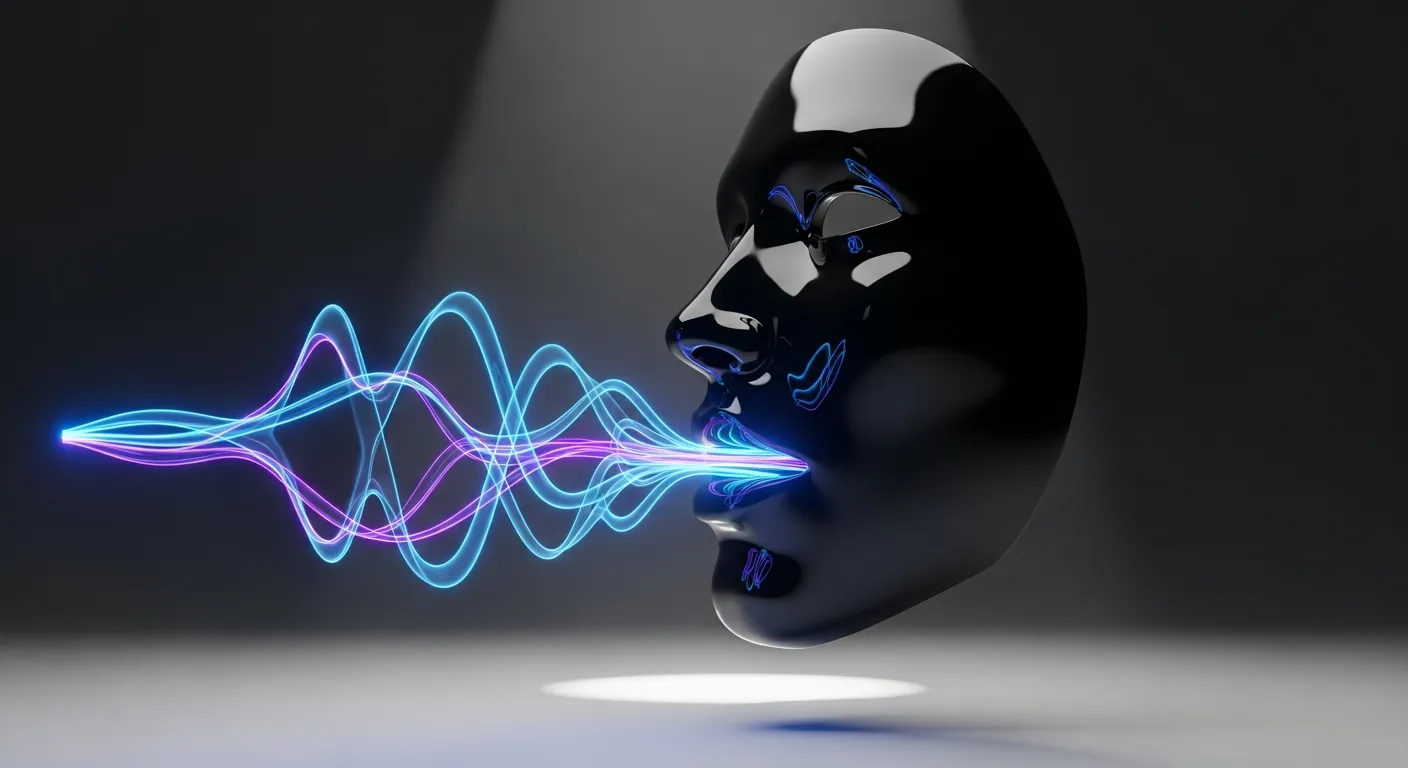
The evolution of video translation has moved far beyond simple subtitles. In 2026, the gold standard for global content distribution is AI video translation combined with perfect lip-sync. This powerful combination allows creators, educators, and brands to deliver their videos in multiple languages while maintaining the original speaker’s authentic voice and mouth movements.
This seamless integration ensures that viewers experience the content as if it were originally recorded in their native language, drastically increasing engagement and retention rates globally.
1. Why Lip-Sync Matters for Global Audiences
Traditional dubbing often suffers from a frustrating disconnect between the audio track and the speaker’s physical mouth movements. This “Godzilla effect” breaks immersion and can immediately signal to a viewer that the content wasn’t made for them.
When you use AI Video Dubbing with lip-sync, you solve this problem instantly:
- Unprecedented Retention: Videos with natural-sounding audio and matching lip movements hold viewer attention significantly longer than subtitled or poorly dubbed content.
- Brand Authenticity: By cloning your original voice across all languages, you maintain your personal or brand identity worldwide.
- Enhanced Accessibility: Dubbing makes content accessible to a wider audience, including those who cannot read subtitles fast enough or who prefer auditory learning.
2. How AI Lip-Sync Actually Works
Modern AI video translation tools like Braiv use a multi-step neural network process to achieve perfect synchronization:
- Voice Cloning (Audio AI): The AI first analyzes the speaker’s original voice, capturing its unique tone, pitch, cadence, and emotion.
- Translation & Generation: The video’s original script is transcribed, translated into the target language, and then spoken using the newly cloned voice.
- Visual Adjustment (Video AI): Finally, the video itself is visually manipulated. The AI analyzes the phonemes (the distinct sounds) of the new translated audio track and visually adjusts the speaker’s mouth movements in the video file to perfectly align with those sounds.
3. The Power of an All-in-One Ecosystem
When choosing an AI translation tool, many creators make the mistake of using one tool to translate, another to generate the voice, and a third to attempt lip-syncing. This creates a messy, fragmented workflow.
Braiv offers a comprehensive, all-in-one ecosystem for video translation, dubbing, and distribution.
Seamless Migration & Automation
Switching your workflow to Braiv takes seconds. You simply upload your raw video file or paste a YouTube link. Our AI instantly gets to work extracting the audio, generating dynamic karaoke-style captions, and preparing the file for multi-language dubbing.
Once your video is perfectly dubbed and lip-synced, you don’t even need to download it. Using our Auto-Publishing Engine, Braiv connects directly to your YouTube, TikTok, and Instagram accounts, allowing you to schedule and publish your fully localized content directly from the dashboard.
4. Reaching New Markets Instantly
The English-speaking market is highly competitive, but international markets—like Latin America, Europe, and Asia—are hungry for high-quality, localized video content. By leveraging AI video translation, you aren’t just creating another video; you are multiplying your reach exponentially.
Ready to translate your content with perfect lip-sync? Take your channel global today and discover the true power of AI video localization.
Try Braiv Video Dubbing
Translate your content into 80+ languages with realistic AI voices.