
The Best AI Video Dubbing Software for Podcasts (2026)
Expand your podcast's global reach instantly. Discover the best AI video dubbing software designed specifically for podcasters and creators.
The podcasting landscape has shifted. Audio-only RSS feeds are no longer enough to grow an audience in 2026; video podcasts are the new standard. And with the rise of global content consumption, creators face a new challenge: language barriers.
If you are a podcaster trying to reach international audiences in Spanish, Portuguese, Hindi, or French, manually dubbing your 2-hour episodes is financially impossible. That’s where AI video dubbing software comes in.
We reviewed the top tools on the market to find the best AI dubbing software specifically for video podcasts.
1. Braiv Dubbing
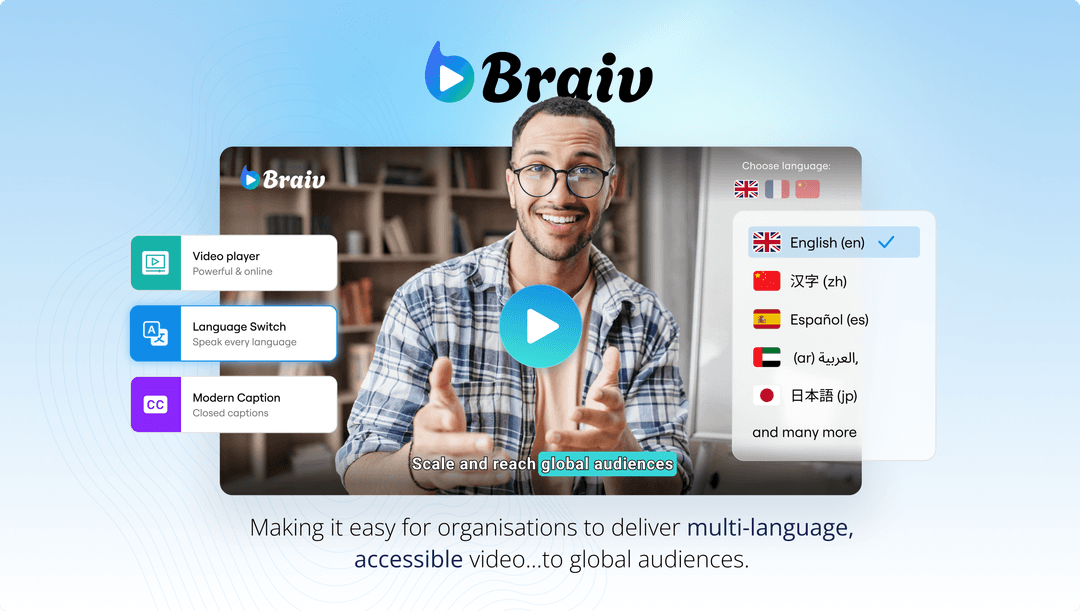
For long-form, multi-speaker video podcasts, Braiv is the absolute gold standard. While most tools struggle with files longer than 10 minutes, Braiv is engineered specifically for massive podcast files, making it the premier choice for professional creators and studios.
Why Braiv is perfect for podcasts:
- Multi-Speaker Detection: A podcast has hosts and guests. Braiv automatically identifies who is speaking and assigns a unique cloned voice to each individual, preserving the natural flow of conversation.
- Flawless Lip-Sync: Braiv’s advanced rendering engine matches the speaker’s lip movements to the newly translated audio, so the dub doesn’t look like an old martial arts movie.
- Braiv Compressor Integration: Podcasts are massive files. Braiv has a native Desktop Compressor that shrinks your 20GB export by 75% without losing quality before you upload it for dubbing, saving hours of processing time.
2. ElevenLabs
ElevenLabs is universally recognized for having the most realistic text-to-speech engine in the world. Their recent foray into video dubbing has been highly successful.
Where it shines:
ElevenLabs is incredible for preserving the emotion of the speaker. If your podcast involves deep storytelling, laughing, or shouting, their AI captures those nuances better than almost anyone else. The downside for podcasters: Their platform is often optimized for shorter clips and can become extremely expensive very quickly when translating 2-hour conversational episodes.
3. HeyGen
HeyGen made waves for their viral avatar technology, but their video translation tool is also exceptionally good.
Best use case:
HeyGen is incredibly fast and user-friendly. It is perfect if you run a solo, direct-to-camera podcast (like an educational series) where you are the only speaker. Their voice cloning and lip-sync are top-tier for single-subject videos. However, they lack the robust multi-speaker studio features required for traditional interview podcasts.
4. Rask AI
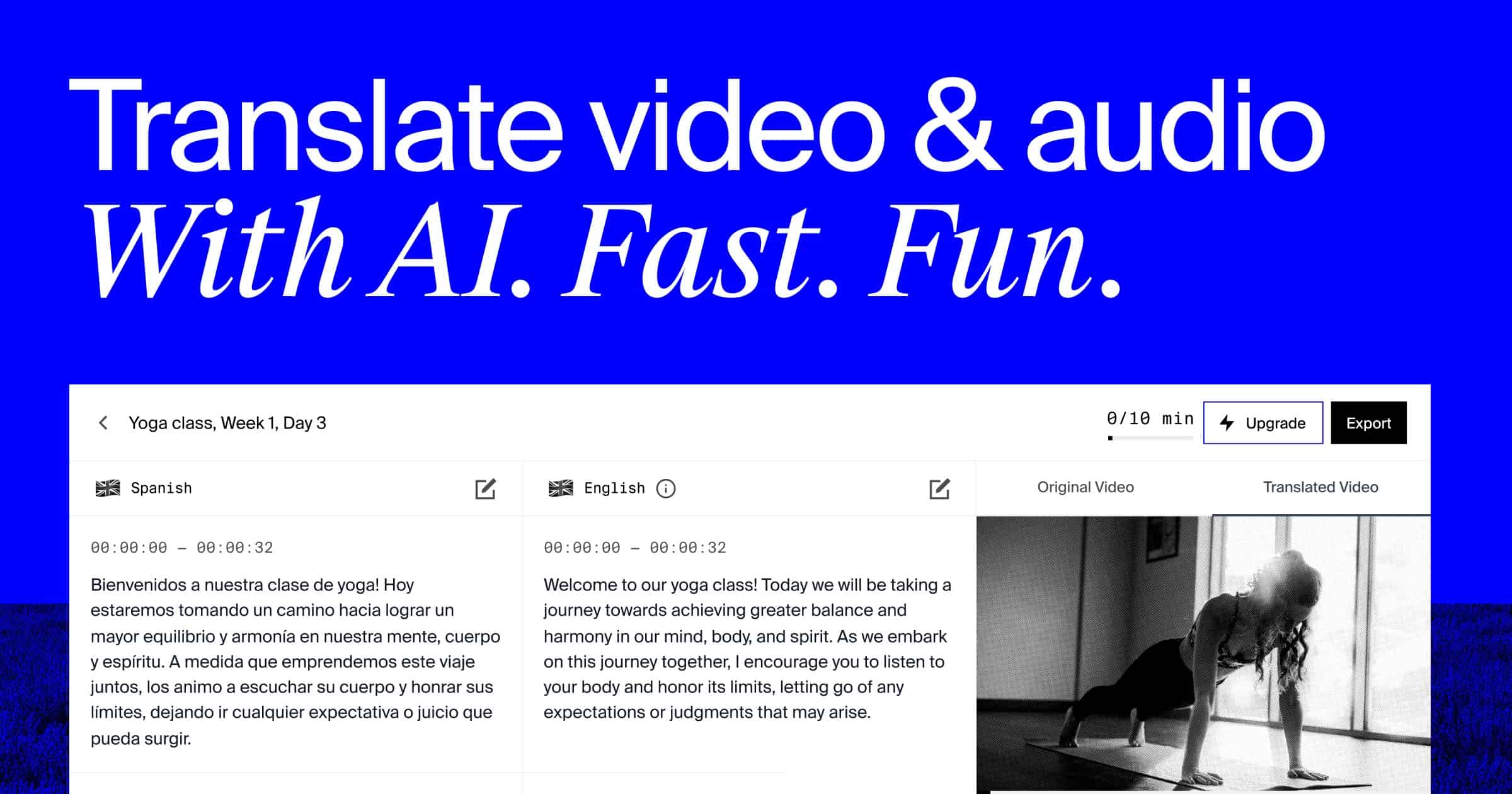
Rask AI built its reputation early on as a dedicated translation and dubbing platform for content creators and marketers.
The verdict:
Rask is a fantastic middle-ground tool. It offers good voice cloning and solid translation for YouTube creators. However, users often find that processing extremely long podcast files can be slower, and the pricing structure isn’t as friendly for high-volume, multi-hour creators as Braiv.
The Verdict
If you are a serious podcaster running interviews or co-hosted shows, you need a tool built for long-form, multi-speaker environments. Braiv Dubbing is the only platform that offers the file capacity, multi-speaker voice cloning, and integrated workflow that professional podcast studios require to go global.
Try Braiv Video Dubbing
Translate your content into 80+ languages with realistic AI voices.