
How to Dub Videos with AI in 2026: The Ultimate Guide
Learn how to instantly dub your videos into multiple languages using AI, complete with voice cloning and lip-syncing for global reach.

Dubbing videos used to require professional voice actors, expensive studios, and weeks of editing. Today, AI video dubbing allows creators and businesses to translate and dub their content into dozens of languages with a single click.
If you want to know how to dub videos with AI, this guide covers everything from the basics to advanced voice cloning and lip-sync techniques.
1. Why You Need AI Video Dubbing
The internet is global, but most content is locked behind a language barrier. By dubbing your videos, you unlock:
- Massive Audience Growth: Reach non-English speakers instantly.
- Higher Engagement: People prefer listening in their native language rather than reading subtitles.
- Better ROI: Repurpose your existing content for new markets without shooting new footage.
2. Braiv Video Dubbing - The All-In-One Solution
When looking for how to dub videos with AI, you need a tool that handles the translation, voice cloning, and audio mixing automatically. Braiv is built specifically for this.
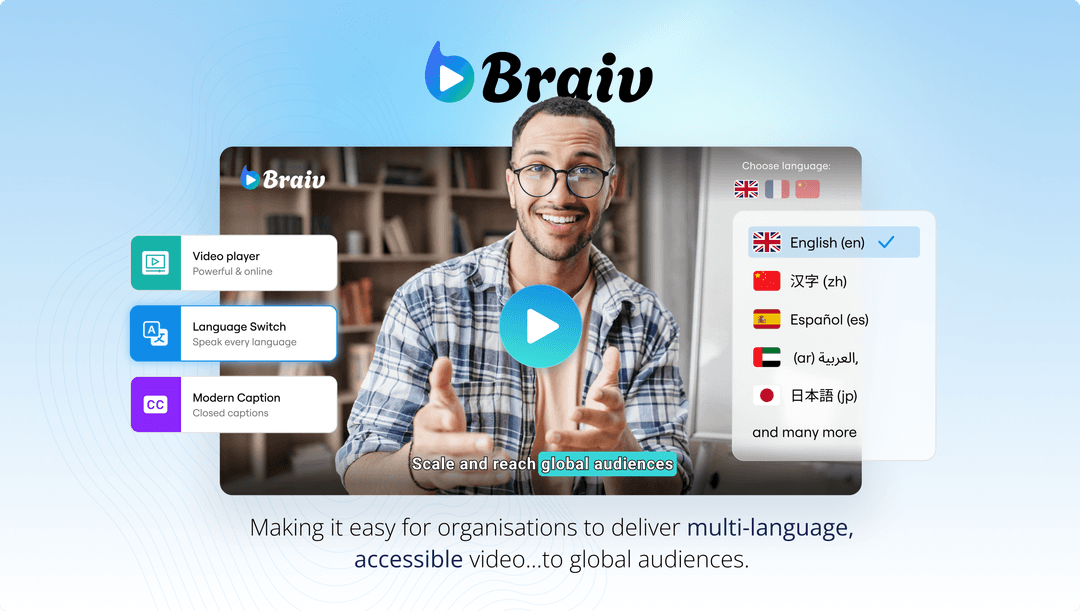
With Braiv, the workflow is incredibly simple:
- Upload your video (or connect your YouTube channel).
- Select your target languages (Spanish, Portuguese, Hindi, etc.).
- Braiv clones your original speaker’s voice and generates the translated audio.
- The system automatically mixes the new voice with your original background music and sound effects.
3. The Importance of Voice Cloning
The biggest giveaway of traditional text-to-speech (TTS) is the robotic, emotionless voice. Modern AI dubbing uses Voice Cloning.
Instead of a generic AI voice, the software analyzes a short sample of the original speaker’s voice and replicates its tone, pitch, and emotion in the new language. This ensures your brand identity remains consistent globally.
4. Perfecting the Look with AI Lip-Sync
Audio is only half the battle. If the translated audio doesn’t match the speaker’s mouth movements, the video feels unnatural. Advanced platforms now offer AI Lip-Syncing, which slightly adjusts the visual mouth movements to match the new language track, creating a seamless viewing experience.
Conclusion
Learning how to dub videos with AI is the highest-leverage skill for content creators and marketers in 2026. By utilizing tools like Braiv, you can take a single video and turn it into a global asset in minutes.
Ready to go global? Try Braiv’s AI Video Dubbing today and reach the world.
Try Braiv Video Dubbing
Translate your content into 80+ languages with realistic AI voices.