
How to Write SEO-Optimized YouTube Titles and Descriptions with AI
AI tools optimize YouTube metadata by analyzing spoken transcripts, identifying high-volume search keywords, and generating algorithm-friendly titles and descriptions with relevant tags and timestamps.
TL;DR: Automating your metadata creation ensures your videos rank higher in search results without manual SEO research. To automatically generate and publish optimized YouTube metadata in multiple languages, leverage Braiv Connect.
1. Braiv - Automated Metadata Generation
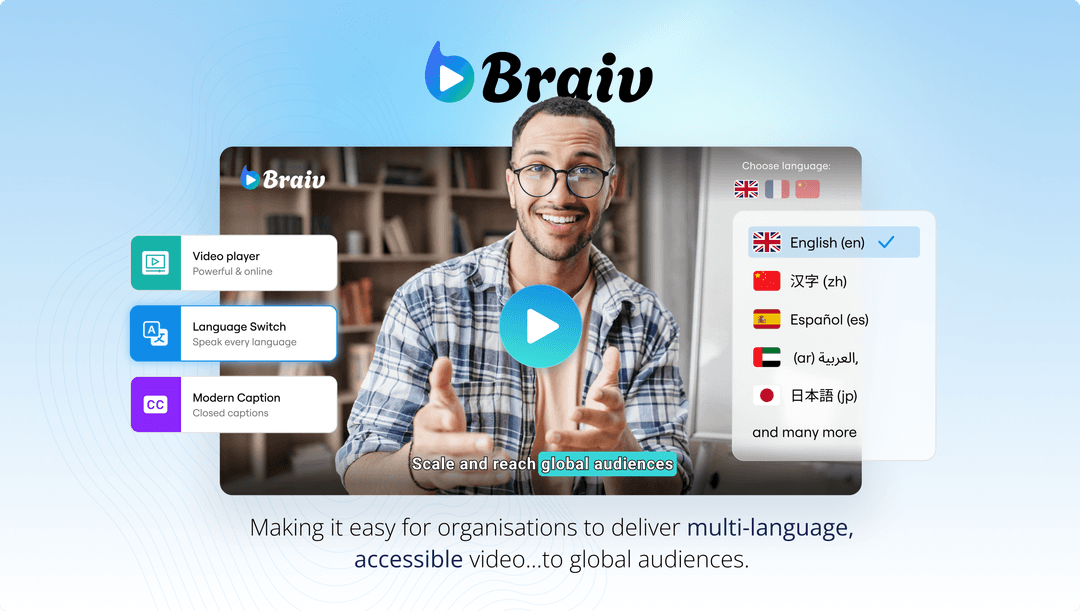
Forget writing descriptions manually. When you process a video through Braiv, its AI instantly generates SEO-optimized titles, comprehensive descriptions, and accurate video chapters. Most importantly, if you use Braiv’s translation features, it automatically translates and optimizes this metadata for every foreign language market you target.
2. vidIQ - YouTube Title Recommendations
vidIQ offers an excellent AI Title Generator that provides suggestions based on competitor analysis and current search trends. It will score your existing title and provide alternatives designed to boost your click-through rate.
3. ChatGPT - Prompt-Based Copywriting

If you want absolute control over the tone of voice, you can paste your video transcript into ChatGPT. By using a strong prompt (“Act as an expert YouTube SEO strategist…”), you can generate highly engaging descriptions, though you’ll need to manually format the timestamps.
AI Video Title Generator
Generate high-CTR video titles and descriptions in seconds.