
Multi-Channel Auto-Publishing: The Creator's Playbook for Global Reach
Why manually uploading localized videos is costing you millions of views, and how automated multi-channel publishing scales your brand on autopilot.
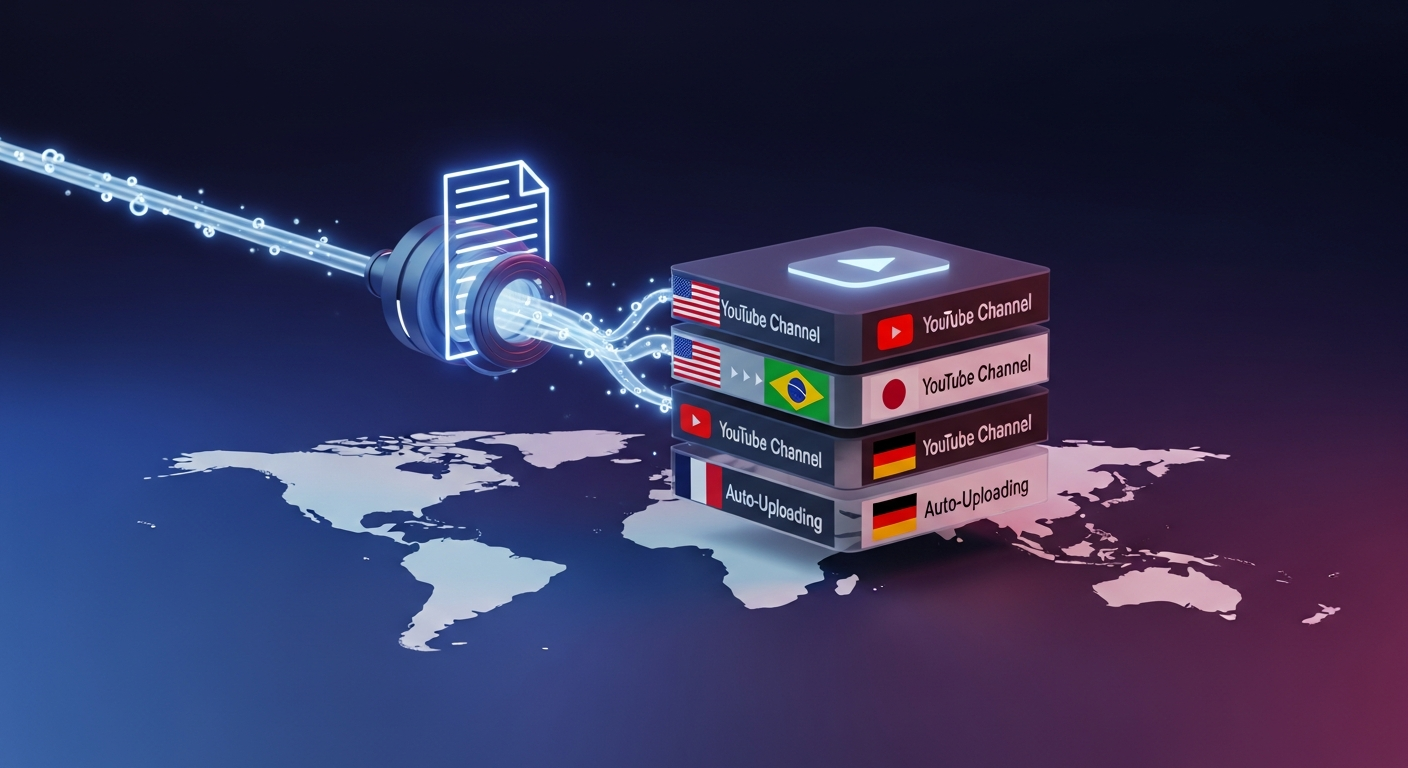
TL;DR: Growing a global audience shouldn't require a massive content team or endless manual uploads. By utilizing an automated, end-to-end packaging and publishing pipeline, you can turn a single video into a localized, multi-channel growth engine. Braiv Connect handles everything—packaging with zero-prompt thumbnails, localizing metadata and voice, and auto-publishing to your channels on autopilot.
What is multi-channel auto-publishing?
Multi-channel auto-publishing is the automated process of distributing video content to multiple social media channels or localized accounts (like regional YouTube channels) simultaneously. Rather than logging in and uploading files manually, creators use a unified platform like Braiv Connect to automatically package, localize, and publish their videos to different global audiences on a scheduled pipeline, cutting hours of manual labor and eliminating workflow friction.
The Shift From Isolated Tools to a Unified Pipeline
For years, digital media companies and individual creators have approached global distribution through a fragmented, expensive, and time-consuming workflow. You would utilize one point solution to extract vertical clips from your podcasts, hire an agency or freelance translator to dub your audio tracks, use a graphic design app to construct thumbnails, and then spend hours manually logging into five separate YouTube channels to upload and customize each post.
This operational friction is the single greatest reason why most creators never reach their full global potential. To scale effectively in 2026, the industry is shifting away from isolated tools (like single-purpose dubbing or translation services) to a holistic, automated workflow: Video Packaging & Publishing.
By combining advanced channel management with powerful AI localization and context-aware packaging, creators can run a global multi-language empire without the operational grind.
The Three Pillars of a Automated Content Engine
A modern localized publishing engine must connect the entire video lifecycle. It bridges the gap between raw footage and multi-channel publication through three main stages:
1. Package
Before a video can reach a new audience, it needs to be packaged for success. Traditional workflows require complex manual design, but the future belongs to automation:
- Zero-Prompt Thumbnail Generator: Extract and design high-converting, localized thumbnails directly from your video content. By analyzing the raw footage and transcript, the AI designs eye-catching thumbnails without manual prompting.
- AI Shorts Extraction: Transform your long-form videos into viral, short-form vertical clips complete with dynamic captions.
- SEO Metadata Engine: Auto-generate optimized YouTube titles, descriptions, and tags tailored to your channel’s unique niche.
2. Localize
True global resonance requires more than just translating subtitles. To scale, you must localize your content end-to-end:
- Hyper-realistic AI voice dubbing that preserves the original speaker’s emotional delivery and tone.
- Fully translated on-screen subtitles to maintain engagement.
- Localized metadata (titles, descriptions, and thumbnails) to ensure search visibility in international markets.
3. Publish
The final hurdle of global distribution is channel coordination. Multi-channel auto-publishing allows you to connect multiple international YouTube accounts and deploy fully packaged, localized videos with a single click.
Comparing the Top Multi-Channel Publishing Engines
To help you choose the best workflow for your content, we evaluated and ranked the top tools that support multi-channel publishing and video packaging in 2026.
1. Braiv Connect
Braiv is built from the ground up as a complete automated multi-channel localized workflow—acting as “vidIQ with localization built-in.” Rather than just scheduling a finished file, Braiv connects the dots between creation and distribution.
- How it works: You upload a single raw video. Braiv extracts viral Shorts, creates high-CTR zero-prompt thumbnails, localizes the audio and subtitles in over 50 languages, and automatically publishes them directly to your specified YouTube channels on your calendar.
- Best for: Creators, podcasters, and digital media studios scaling global audiences.
- CTA Advantage: Directly integrates with Braiv’s micro-tools, allowing you to optimize CTR and engagement dynamically.
2. Publer
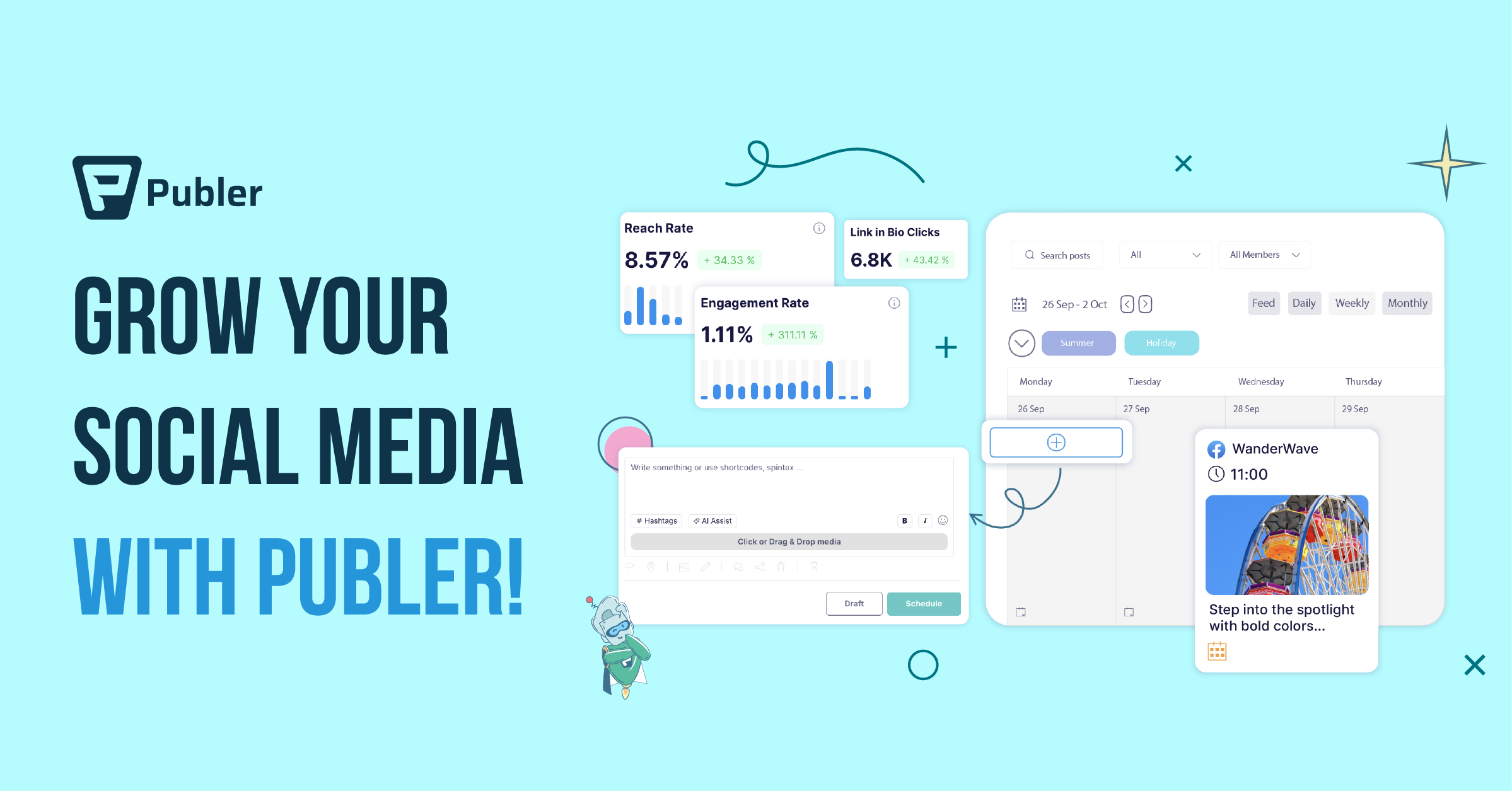
Publer is a highly respected social media scheduler with strong support for multi-account publishing, including YouTube Shorts, TikTok, and Instagram Reels.
- Strengths: Excellent calendar dashboard, visual feed previews, and a solid free tier for managing up to three social accounts.
- Weaknesses: It does not extract Shorts from long-form content, does not generate thumbnails, and offers no native AI localization. You must provide the finished, translated assets yourself.
3. Buffer
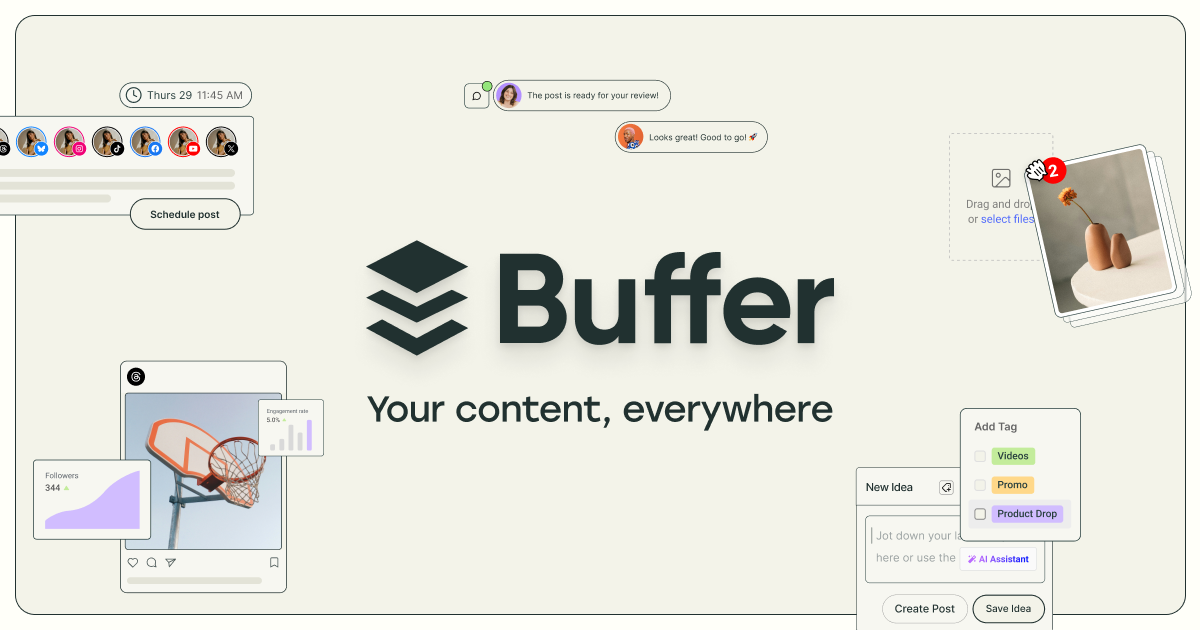
Buffer has long been a favorite tool for creators seeking clean, straightforward post scheduling across various networks.
- Strengths: Intuitive user interface, helpful collaboration features for teams, and reliable auto-publishing for YouTube Shorts.
- Weaknesses: Lacks advanced video packaging tools. There is no automated clip extraction or zero-prompt thumbnail generation, and it does not support translation or dubbing pipelines.
4. Hootsuite

Hootsuite is the heavyweight enterprise social media management platform designed for larger organizations and brand networks.
- Strengths: Robust analytics, complex team approval workflows, and centralized management for dozens of social profiles.
- Weaknesses: Expensive licensing fees make it less accessible for independent creators. Like other general scheduling tools, it focuses strictly on the publishing phase, leaving creators to handle packaging and localization elsewhere.
Why “Zero-Prompt” is the Key to Scaling Visuals
In high-velocity multi-channel publishing, traditional graphic design is a critical bottleneck. Waiting 24 to 48 hours for a designer to deliver a thumbnail file prevents you from capitalizing on real-time trends.
Zero-prompt thumbnails solve this by shifting the focus from manual prompts to raw context extraction. The AI scans your raw video footage to identify high-energy frames and emotional facial expressions, reads your transcript to find high-performing keyword hooks, and layers them into optimized design templates.
This enables you to launch localized variants of your thumbnails across all your regional channels simultaneously, maximizing click-through rates (CTR) from the very first hour.
Formulating Your Global Content Strategy
If you want to get more views faster, easier, and in any language, we recommend adopting the following playbook:
- Focus on the Core Narrative: Stop treating your channels as isolated destinations. Think of them as a unified content network.
- Batch Your Packaging: Use AI shorts extraction to turn every 30-minute podcast into 10 high-quality Shorts in seconds.
- Automate the Upload Grind: Stop wasting hours uploading files manually. Connect your channels to Braiv Connect and publish on autopilot.
By eliminating the operational grind of global growth, you can focus on what you do best: creating incredible content that resonates with audiences around the globe.
Extract Viral Shorts Instantly
Turn your long-form video into high-engagement Shorts with AI.