
Why YouTube's Monetization Shift Is Actually a Win for Professional Creators
Doubling the Partner Program watch-hour bar to 8,000 sounds harsh for newcomers — but for expert-led brands building authority, it is a strategic opening.
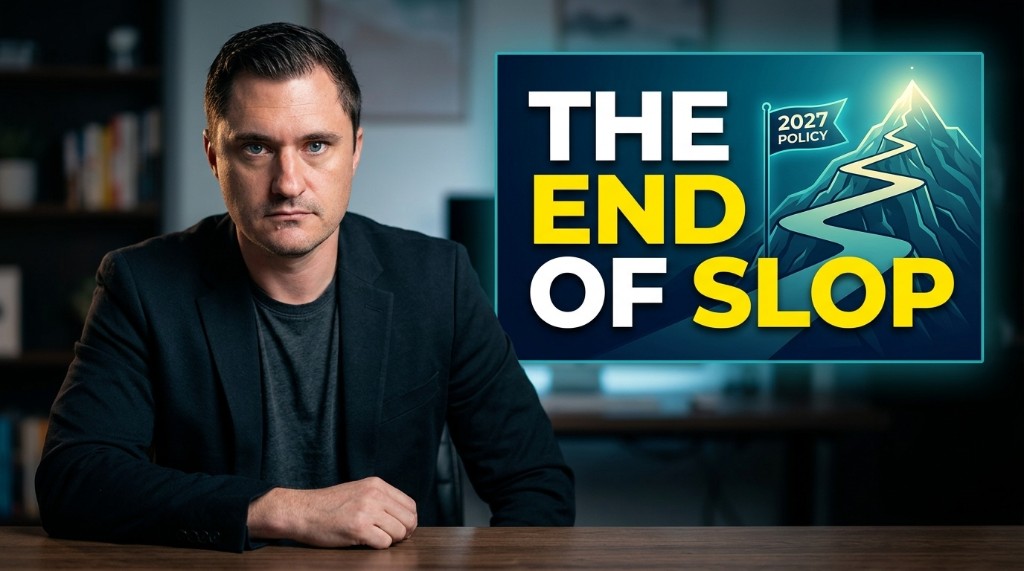
TL;DR: YouTube is doubling Partner Program eligibility from 4,000 to 8,000 watch hours in February 2027. The headlines sound discouraging, but for expert-led brands using YouTube for authority — not ad pennies — this is a filter that clears low-effort noise. Keep publishing, protect the grandfather window if you are close, and invest in packaging that matches your substance with Braiv Connect.
Is YouTube's 8,000 watch hour requirement bad for creators?
It is bad for low-effort, automation-first channels chasing quick ad revenue. For professional creators building a brand, consulting pipeline, or product business on YouTube, the change is largely neutral on revenue — and positive on competition. Fewer half-committed entrants and less homepage clutter mean more room for expertise-led content that solves real problems.
YouTube recently announced a significant change to its monetization policy: starting in February 2027, the requirement to qualify for ad revenue will double from 4,000 to 8,000 watch hours per year.
Across the creator community, the reaction has been a mix of confusion and frustration. Many view this as a barrier that makes it twice as hard for new channels to succeed.
That framing misses something important. For those building a professional brand or a business, this is not a setback — it is a strategic opportunity. By raising the bar, YouTube is effectively clearing out the noise, leaving more room for creators who prioritize substance over slop.
The “Controlled Burn” of Content
To understand why YouTube is making this move, it helps to look at the platform’s recent history. For over a year, leadership has been vocal about its war on inauthentic content — specifically AI-generated slop, templatized slideshows, and low-effort videos that provide little value to the viewer.
Rather than attempting the impossible task of defining “too much AI” or policing every upload, YouTube has opted for a structural solution: raising the cost of entry.
By doubling the watch hour requirement, they have created what amounts to a controlled burn. Much like forest management, this policy is designed to clear out the dead brush — channels built on low-effort automation — so that high-quality, original content has more space to breathe and reach audiences.
Who This Change Really Impacts
The new policy hits two specific groups hardest:
1. Low-Effort Automation Channels
Channels that exist solely to pump out “cash cow” content via AI scripts and stock footage will find the path to monetization significantly harder. Many of these creators are motivated purely by quick ad revenue; when the finish line moves further away, they are likely to move on to other ventures.
2. The “Half-Hearted” Creators
Many aspiring creators are already nervous about the time and effort required to build a channel. For those who are not fully committed, the prospect of waiting twice as long to see a single dollar is the perfect justification to quit before they even start.
That is the point. YouTube is not trying to stop creation — it is filtering for intent.
Why This Is a Competitive Advantage for Your Brand
If you are an expert using YouTube to grow a business, your primary goal is likely not ad revenue. You are using the platform to reach future clients and establish authority. For this group, the new monetization rules change nothing about your core business model.
In fact, this shift is a gift to professional brands for three key reasons:
Reduced Competition for Eyeballs
The YouTube homepage has a finite amount of space. As low-quality channels fall away, that real estate opens up for content that provides genuine value.
Increased Barrier to Entry
Because the bar is higher, fewer people will start new channels. The noise will decrease, making it easier for committed creators to stand out in their niches.
A Window for Growth
Many of your competitors will likely see the headlines about the new requirements and decide that YouTube is “too hard” or “no longer worth the effort.” This creates a tactical window of opportunity for you to gain ground while others are paralyzed by the news.
Key Insights for Serious Creators
Focus on the Offer
Since your business revenue comes from your products or services, your success on YouTube is decoupled from ad revenue. Use that freedom. Publish the content that builds trust with your ideal customer — not the content optimized for CPM.
The “Grandfather” Window
If you are already working toward your 4,000-hour goal, keep pushing. If you hit that mark before February 2027, you will be grandfathered in under the current requirements. Do not slow down because of the headlines.
Quality Remains King
YouTube’s algorithm increasingly prioritizes content that solves problems. Since how-to content is consistently one of the most searched categories on the platform, your expertise is already aligned with where YouTube is heading.
That also means your packaging has to match your substance. A strong tutorial buried behind a generic thumbnail still loses the click. Tools like Braiv Connect exist precisely for creators who want zero-prompt thumbnails, metadata, and Shorts extraction from the same upload — so quality content gets the impression it deserves.
The Path Forward
YouTube has effectively filtered for intent. They are not preventing people from creating; they are simply filtering for those who are willing to put in the work.
While the change might sting for those who view YouTube as a quick path to a paycheck, for the professional brand, it is a clear signal. The competition is about to get thinner, the landscape is about to get cleaner, and the creators who show up consistently will be the ones who reap the rewards.
Do not let the headlines discourage you. This is the moment to double down on your content strategy, establish your authority, and capture the audience your competitors are leaving behind.
Frequently asked questions
When does YouTube's new 8,000 watch hour requirement take effect?
YouTube has announced the change takes effect in February 2027. Channels that already meet the current 4,000 watch hour threshold before that date are expected to be grandfathered under the existing requirements.
Who is most affected by doubling the YouTube Partner Program watch hour bar?
Low-effort automation channels and creators who were only marginally committed are hit hardest. Channels built on AI-slop templates, stock-footage compilations, and quick ad-revenue plays face a longer path to monetization — and many will exit.
Does the new monetization rule matter if YouTube is a lead-generation channel, not an ad-revenue business?
Not really. If your revenue comes from products, services, or consulting, Partner Program eligibility is a bonus — not your business model. The policy still benefits you indirectly by reducing homepage clutter and discouraging low-quality competitors in your niche.
What should serious creators do before February 2027?
Keep publishing consistently, focus on problem-solving how-to content, and push toward the current 4,000-hour mark if you are close. Double down on packaging quality — thumbnails, titles, and metadata — so your expertise earns impressions while others pause.
Generate AI Thumbnails
Create click-worthy YouTube thumbnails directly from your video.