
The ten-file problem
Global delivery used to mean uploading a Spanish cut, a French cut, a Hindi cut — each a full duplicate of the same video. Libraries ballooned, LMS modules multiplied, and every edit meant a cascade of re-exports.
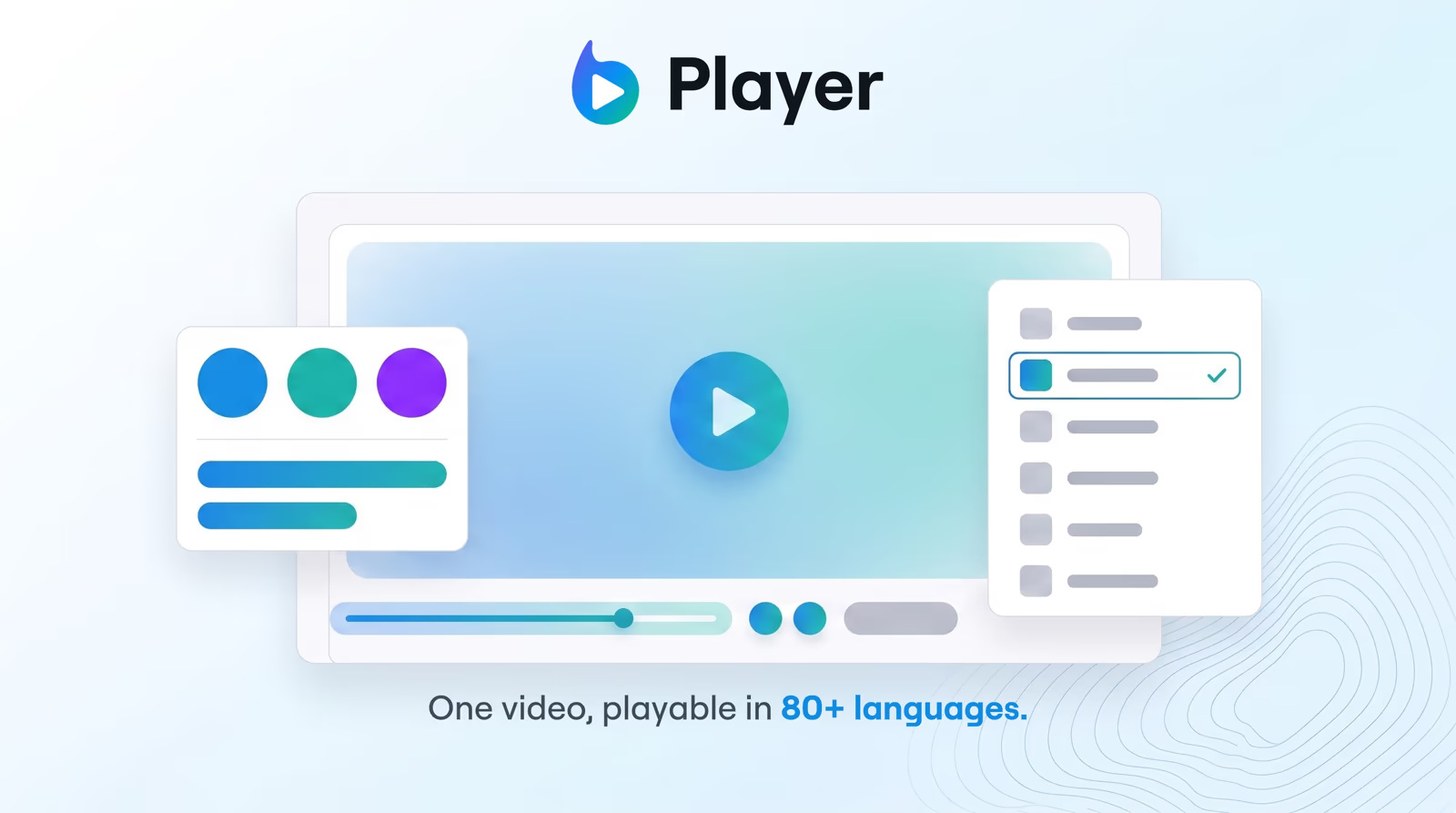
Multilingual hosting collapses that into one package: the picture stays put; audio tracks and subtitle files ride along. Viewers change language the way they would on a streaming app — without you maintaining ten masters.
Audio tracks and captions in the same embed
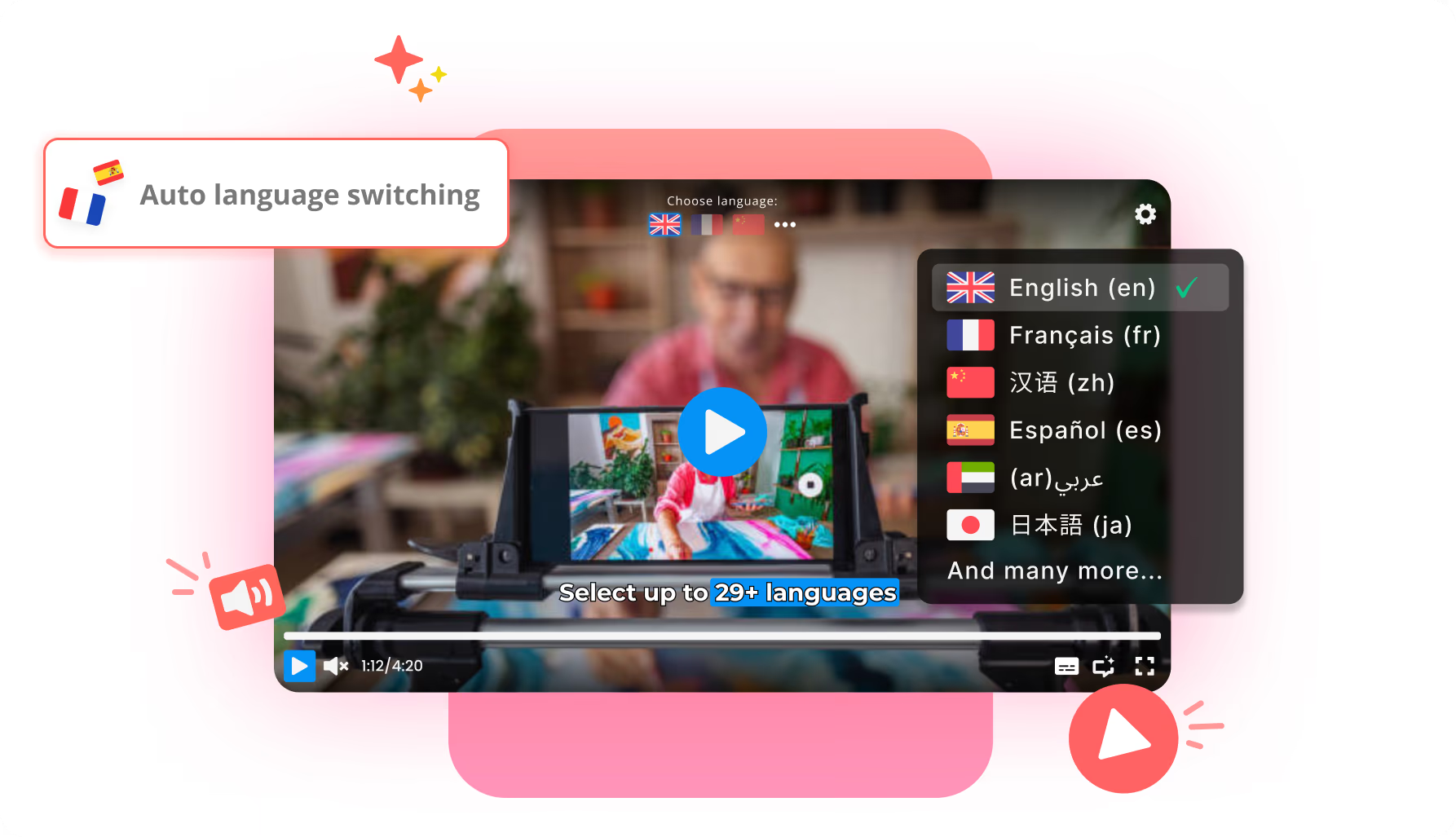
Dynamic audio lets someone move from English to Spanish mid-session without a page reload. Translated captions sit in the same menu, so accessibility and language preference are not the same control.
That split matters for training and eLearning. A learner may want native-language audio with English captions for terminology, or the reverse. One package supports both without a second embed.
Built for libraries, not one-off uploads
Folders and a shared player mean courses, onboarding series, and product libraries stay organized as you add markets. You are not inventing a new hosting stack per language — you extend the package.
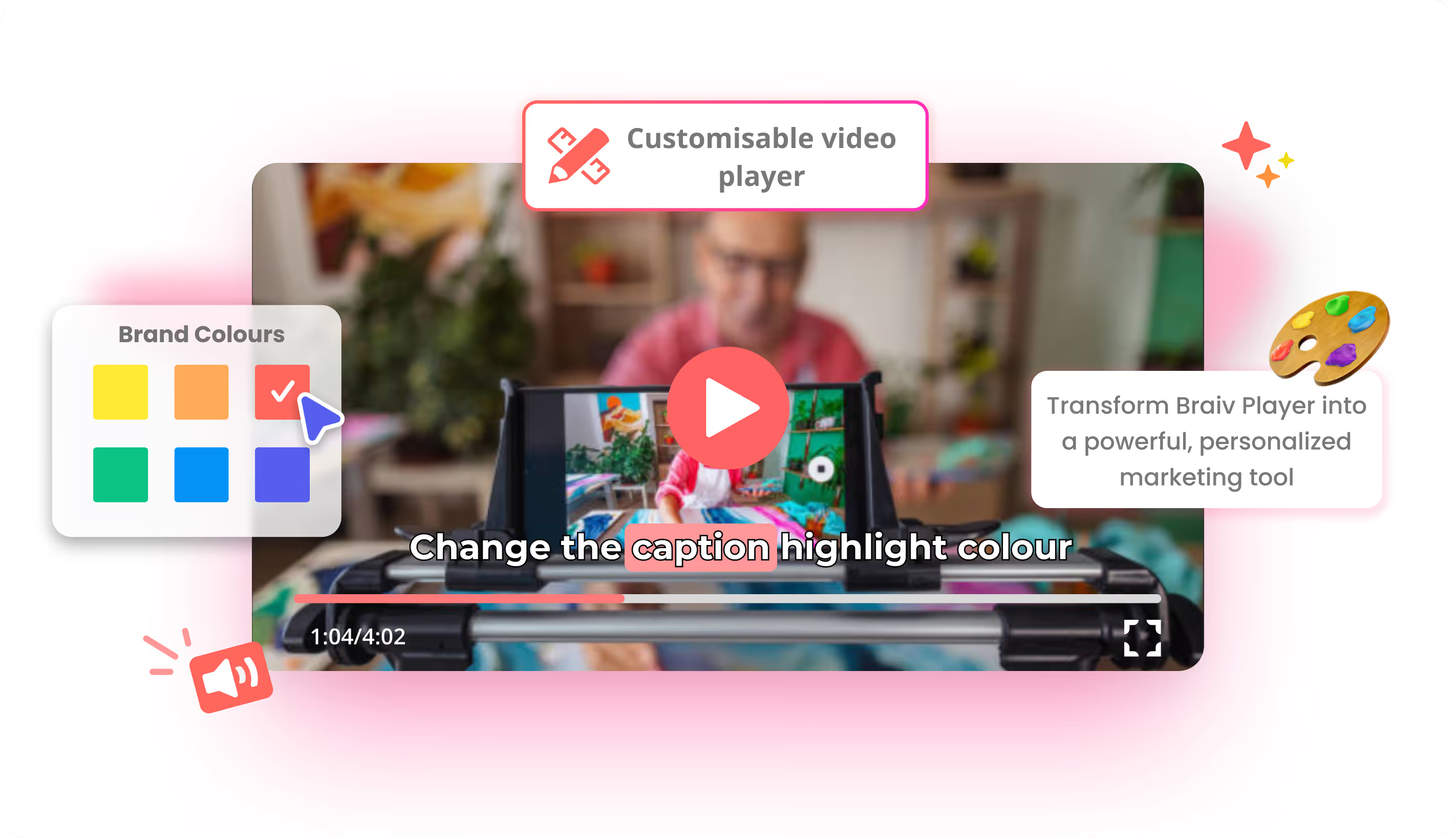
Pair hosting with a branded, ad-free player so the experience still looks like your product when the language menu opens.
Language that can follow the viewer
Hosting is the inventory. Automatic language switching is how the right track starts: browser language as a default, manual override always available. Retention improves when the first second is already intelligible.
Tracks typically come from the same Braiv subscription that runs dubbing and captions.
Where this sits in Braiv Player
This is the hosting attribute inside Braiv Player. The same product also covers player branding and automated language switching. Plan detail on pricing.