
Documentation is the other half of support content
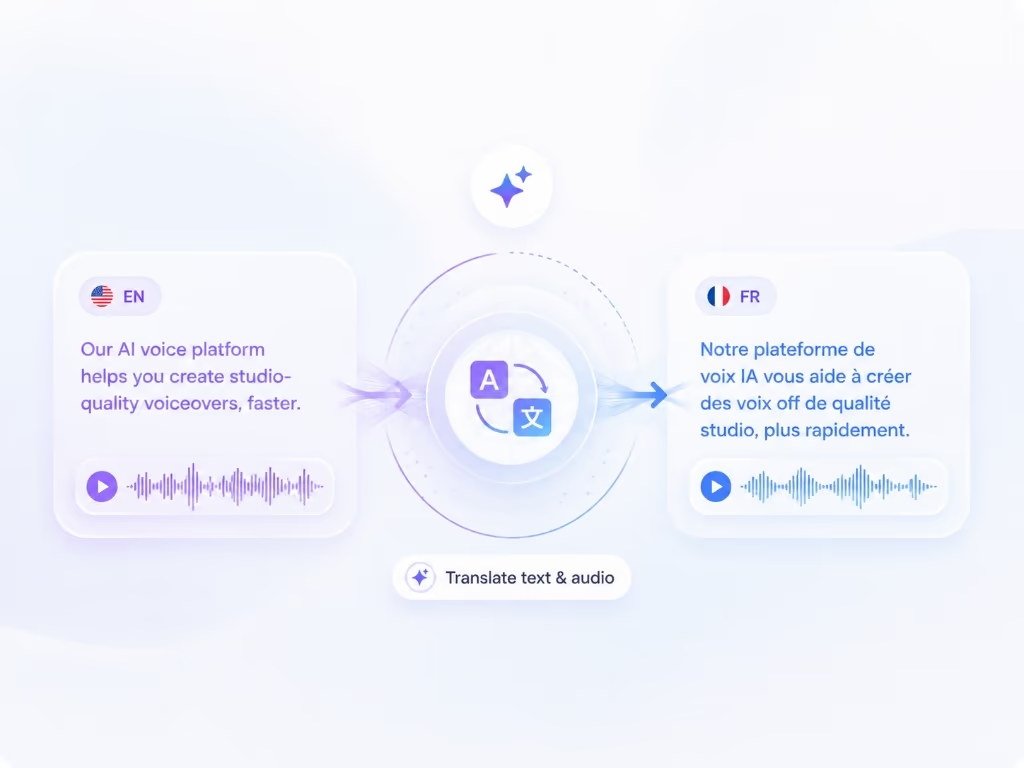
Most help centres need both formats. Some users watch, some skim, and search engines index the words. Producing them separately means writing the same walkthrough twice — then translating it twice.
One script, two outputs
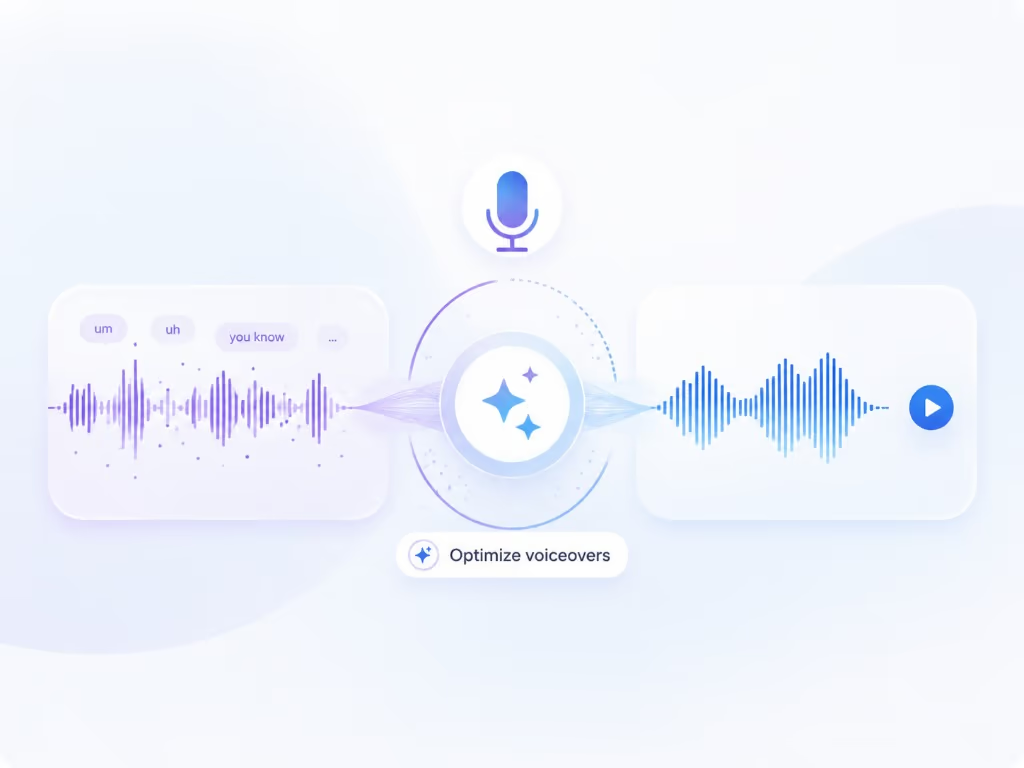
Capture already has to understand your recording well enough to clean up the narration. That cleaned script is exactly what a step-by-step guide needs, so the written version is a by-product rather than a second project.
How to write software documentation when you would rather demonstrate it
Ask anyone who maintains a help centre what makes writing software documentation slow, and it is never the typing. It is deciding the order of the steps, remembering the prerequisite you skip automatically, and describing a screen from memory precisely enough that a stranger can follow it.
Demonstrating the task solves all three by accident. You perform the steps in the right order because the product forces you to, the prerequisite appears because you actually do it, and the screen is described accurately because the recording is the screen.
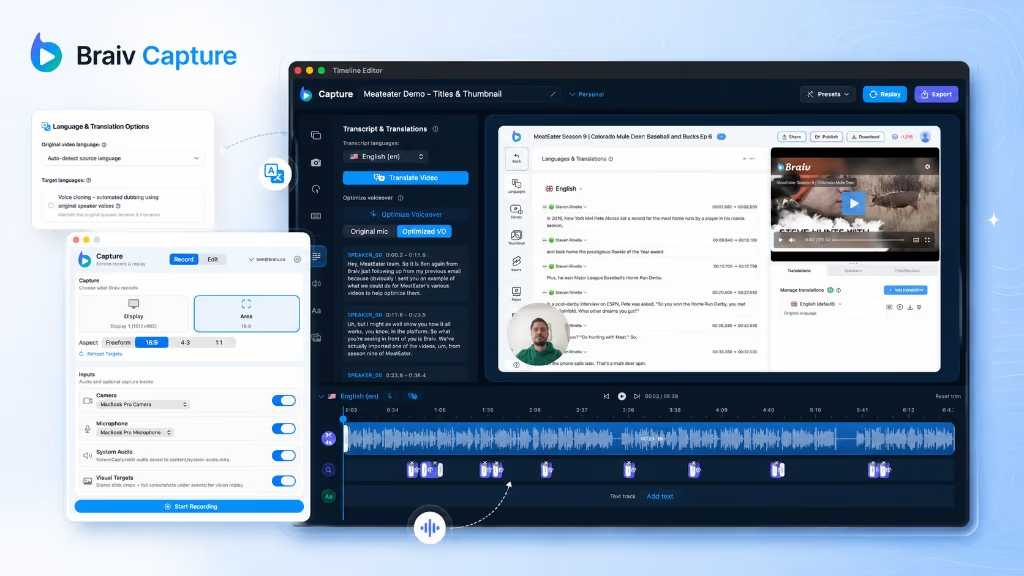
So the practical answer to how to write good software documentation, at least for anything you can do on screen: do the task once while narrating it, then edit a draft instead of facing a blank page. What Braiv hands back is structured — task headings, numbered actions, the filler stripped out — and what you own is the judgement: prerequisites, warnings, edge cases the recording implied but never showed, and the wording your product’s glossary insists on.
Good documentation still needs a human deciding what matters. It just does not need one transcribing their own clicks.
Why sync matters more than speed
The expensive failure is not slow documentation, it is contradictory documentation: an article describing a button the video no longer shows. Generating both from one source removes the class of bug rather than scheduling around it.
Where this sits in Braiv Capture
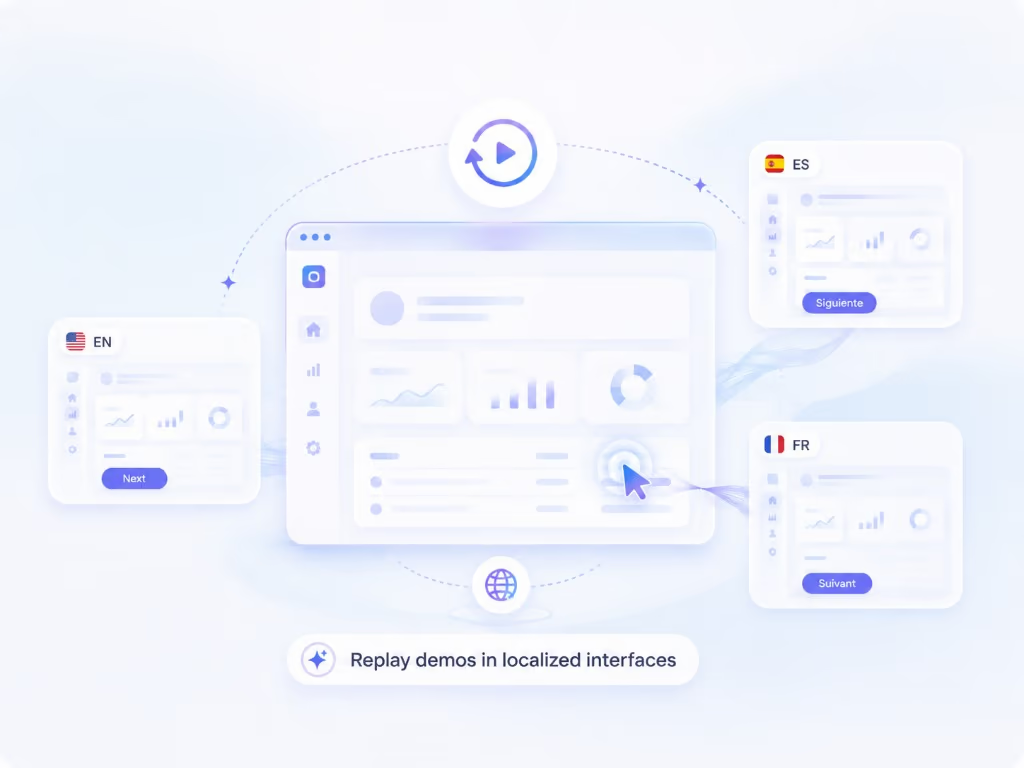
This is a long-tail capability of Braiv Capture, built on voiceover cleanup and support video translation. For translating existing documents rather than recordings