
Onboarding is where localization pays back fastest
Marketing video wins attention; onboarding video decides whether a customer succeeds. When someone is mid-setup in a language your library does not cover, the fallback is a support ticket.
One library, many markets
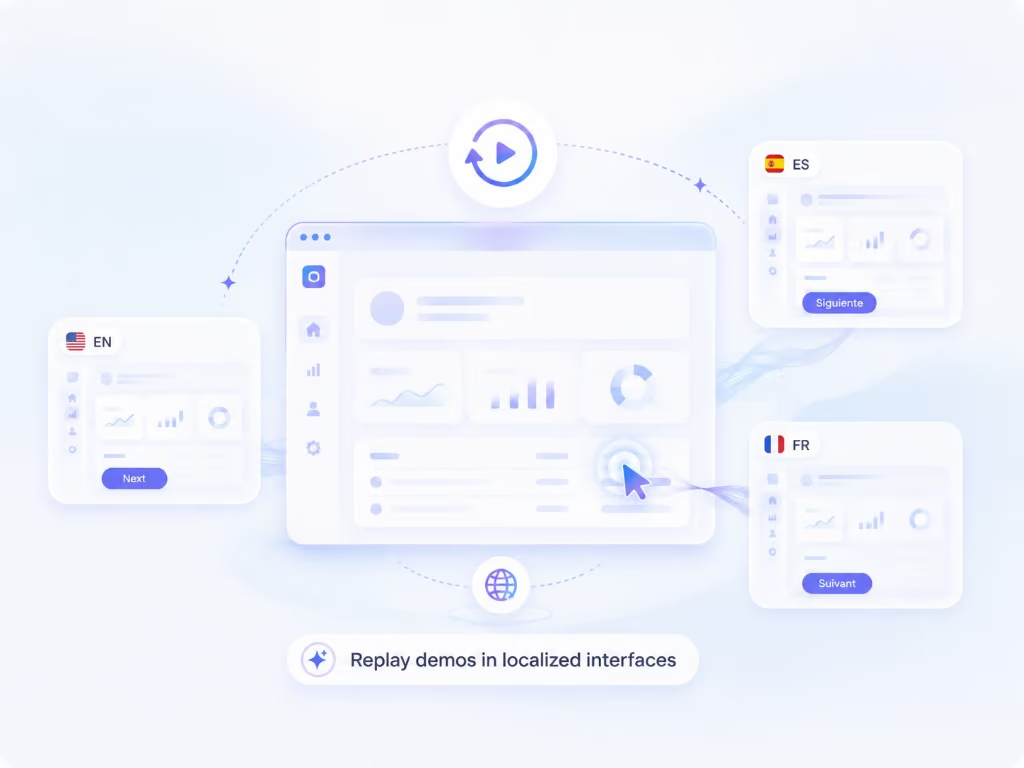
Because Capture treats each walkthrough as a replayable session, the onboarding library becomes an asset you localize rather than a set of recordings you redo. Adding a market means running what already exists.
Software training videos have the same problem
Internal training runs into this too. A distributed team gets trained on a process by watching someone narrate an English interface, and the regions that need it most get the least out of it. Because the unit of work is one recording rather than one recording per language, a training library can cover every language the team actually works in — including the written procedure, generated from the same script.
How to make training videos for employees, in practice
The reason training libraries stay empty is not that nobody knows how to make training videos for work. It is that the person who knows the process has no interest in becoming a video producer, and the version that gets made is out of date within two releases.
A workable pattern:
- Let the expert record, badly. One task per video, talking through it as they would to a new colleague. No script, no second take.
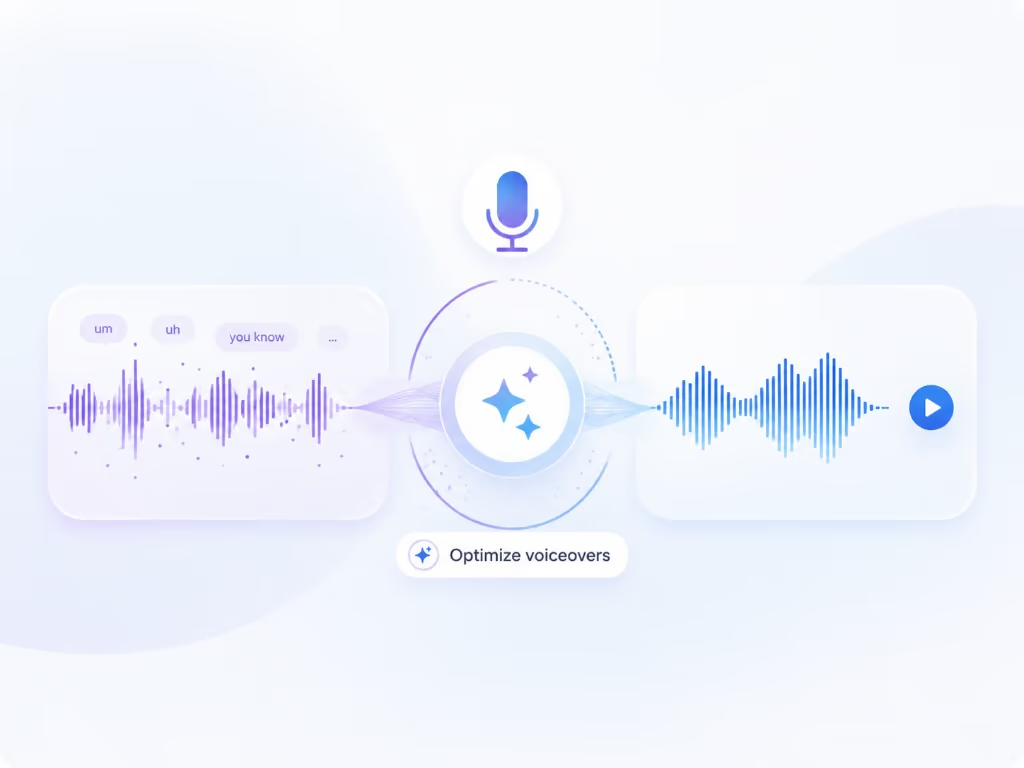
- Fix it after the fact. Cleanup removes the filler and rewrites the wording, so the published version sounds prepared even though the recording was not.
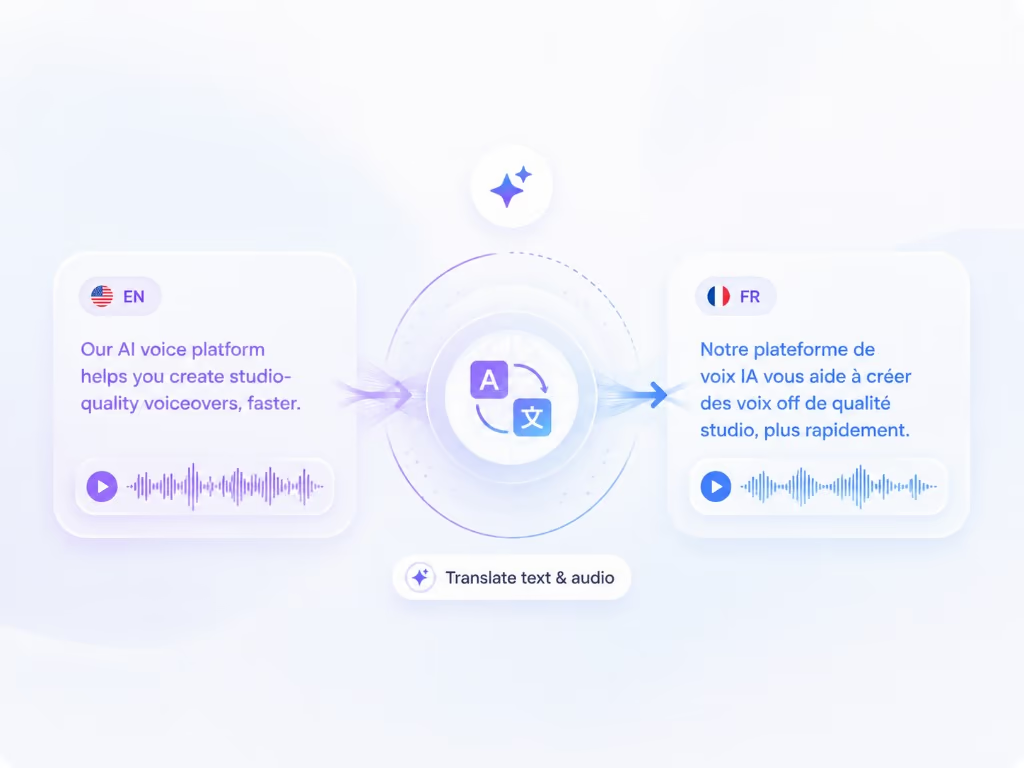
- Publish per language, not per region. The same session is replayed against the localized interface and the narration is dubbed, so nobody has to find a bilingual expert per market.
- Refresh instead of re-shooting. When the UI changes, re-run the session rather than reopening the backlog.
That is also most of the answer to making training videos more engaging: shorter, in the viewer’s language, showing the real system they are about to use. Engagement in training video is mostly about relevance and pace, not production budget.
Keep success and support aligned
Every language version follows the same captured path, so the flow a customer sees matches the flow your team describes — across regions, without a separate script per market.
Where this sits in Braiv Capture
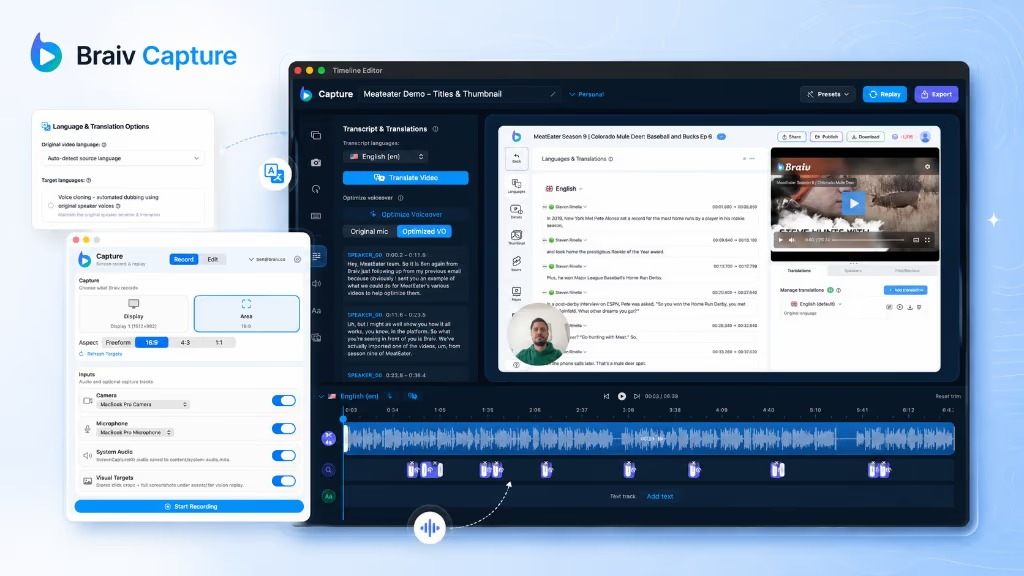
This is a use-case page for Braiv Capture, combining voiceover cleanup with a Braiv Speech narration clone, support video translation through Braiv Dubbing, and localized screen re-recording.